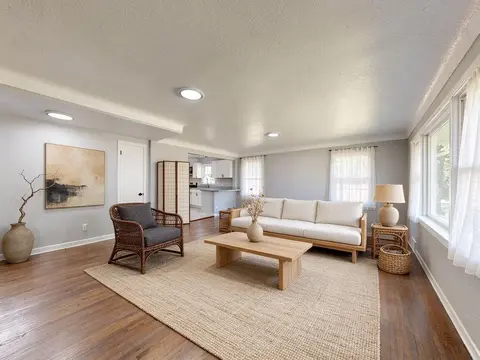
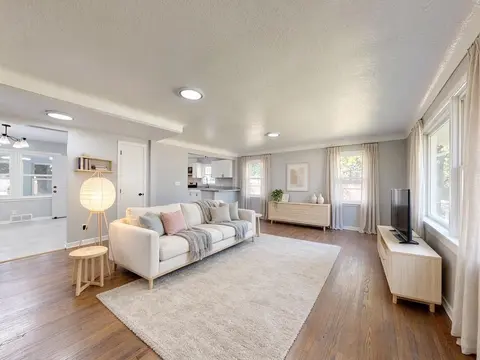
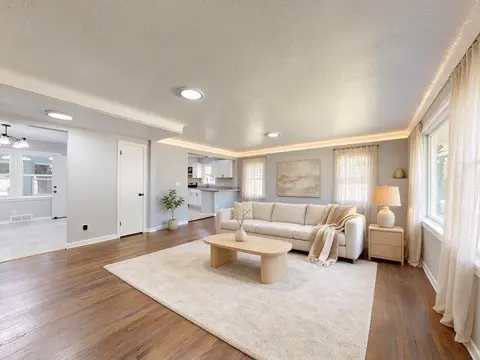
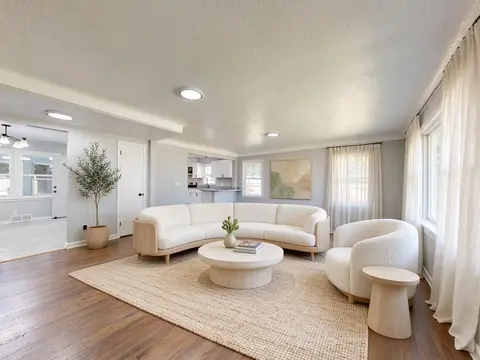
Wabi Sabi interior style
Perfectly imperfect — weathered wood, limewash, and the beauty of age.
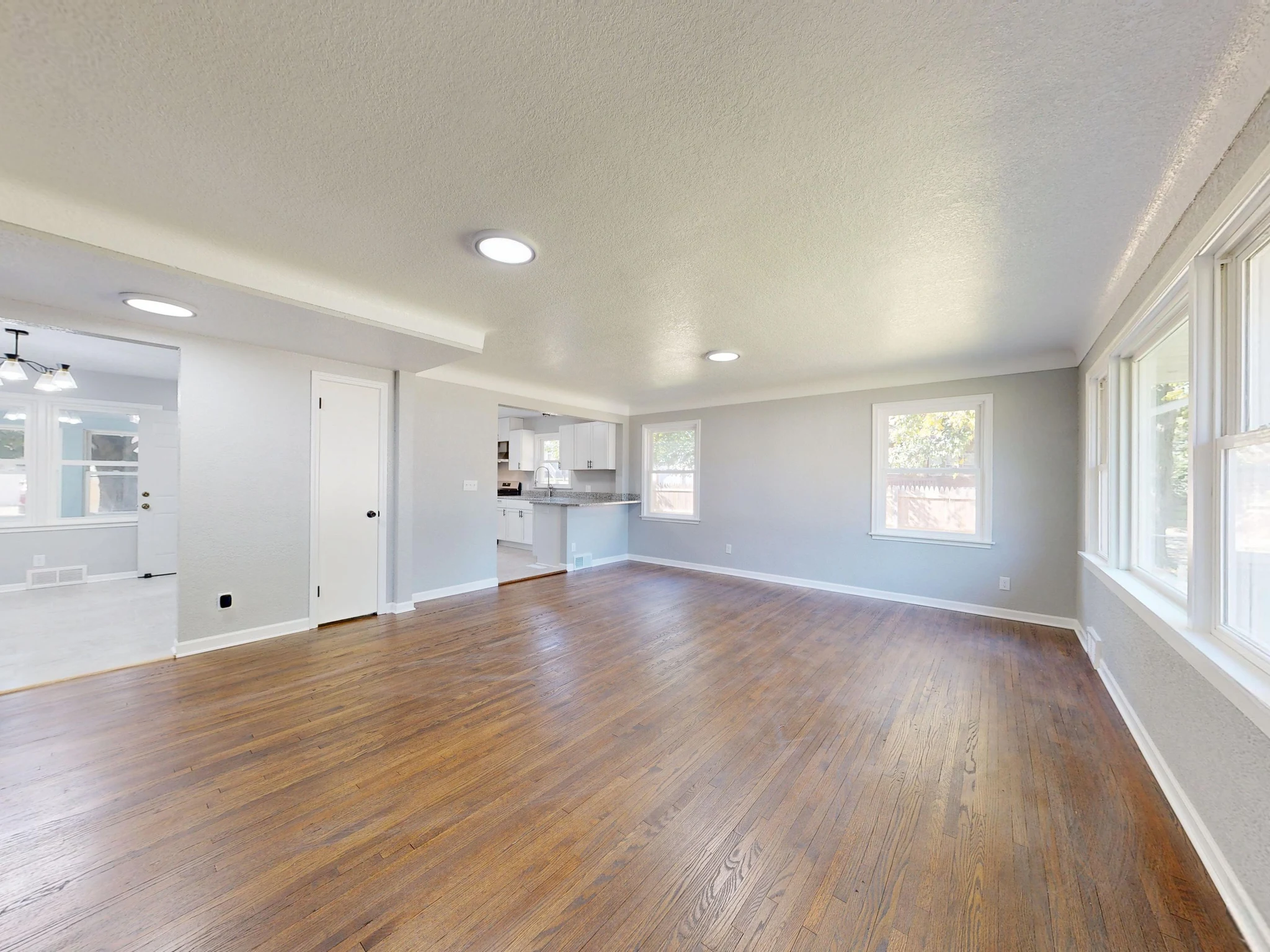
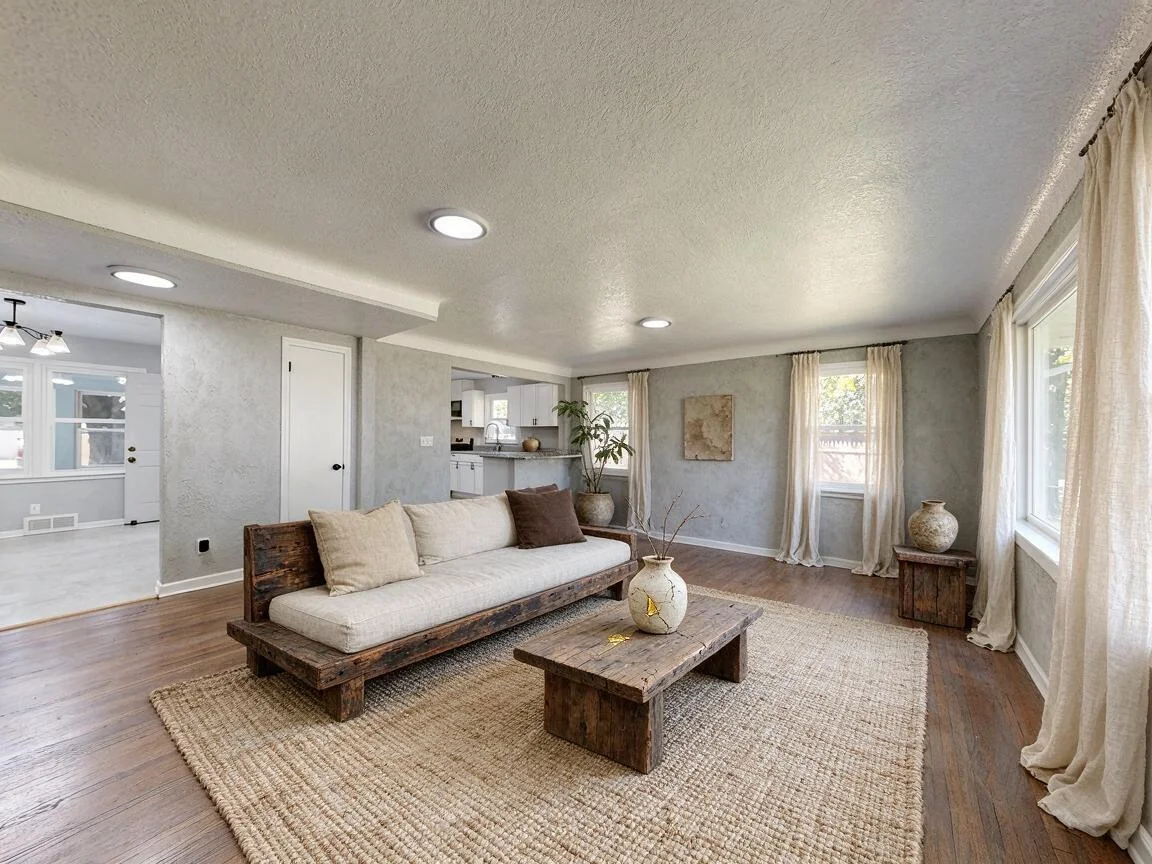
See it on your own walls
Wabi-sabi is the Japanese art of finding beauty in the imperfect, the weathered and the incomplete. As an interior style it means cracked pottery kept in use, plaster walls with trowel marks, wood that shows its years — a room that feels calm precisely because nothing is trying to be flawless.
Materials and texture
Wabi-sabi builds with what time touches: rough limewash and tadelakt walls, aged solid wood, hand-thrown ceramics, raw linen, stone and clay. Repairs are celebrated rather than hidden — a kintsugi bowl with gold seams can be the most precious object in the room.
Color and light
Think of ash, clay and smoke: warm greys, oatmeal, umber, moss green, dried-stem browns. Light tends to be soft and directional, bringing out texture and shadow. A Wabi-sabi room need not be dim; natural variation is part of its appeal.
Furniture and layout
Pieces are low, heavy and few: a weathered wood platform sofa, a chunky slab coffee table, a bench that used to be something else. Objects are arranged asymmetrically — one branch, not a bouquet; one bowl, not a shelf of them.
How to get the look
- Swap glossy paint for limewash or clay plaster in a warm grey
- Choose one aged wood statement piece and let it dominate
- Decorate with a single branch, dried grasses or hand-thrown pottery
- Keep ornaments to odd numbers and asymmetric placement
- Leave negative space around every object so each one breathes
Wabi-sabi vs Japandi
Japandi is Wabi-sabi softened by Scandinavian comfort — cleaner lines, lighter woods, a touch of hygge. Wabi-sabi alone is more rustic and more austere: rougher textures, deeper shadows, a room that looks gathered over decades rather than styled in a weekend.
Signature palette
#D9D2C5
#B7A99A
#8C8273
#5C5648
#33302A
Frequently asked questions
What is Wabi-sabi interior style?
A Japanese-inspired style centered on imperfection and impermanence — weathered wood, limewash walls, handmade ceramics, asymmetric arrangements and a calm, aged atmosphere.
Does Wabi-sabi mean the room looks unfinished?
No. Wabi-sabi is intentional imperfection: every crack and patina is chosen and composed. The result reads as serene and curated, not neglected.
Can AI apply Wabi-sabi to my room photo?
Yes. Upload one photo and you will see an AI-generated Wabi-sabi concept for your room. Results typically keep your walls, windows and layout recognizable; treat the image as inspiration.