
Can you paint a small room a dark color?
By Goodesign AI · Updated 2026-10-16
Yes — dark walls work in a small room when light, contrast, and finish are managed deliberately; the trick is controlling light, not avoiding color. In fact a deep, uniform envelope often makes a small space feel intentional and larger than a pale room full of visual noise.
The rule "dark colors make rooms smaller" is half-true, which makes it misleading. What actually shrinks a room is visual fragmentation — and dark walls, done right, reduce fragmentation instead of adding to it.
Why the old rule exists
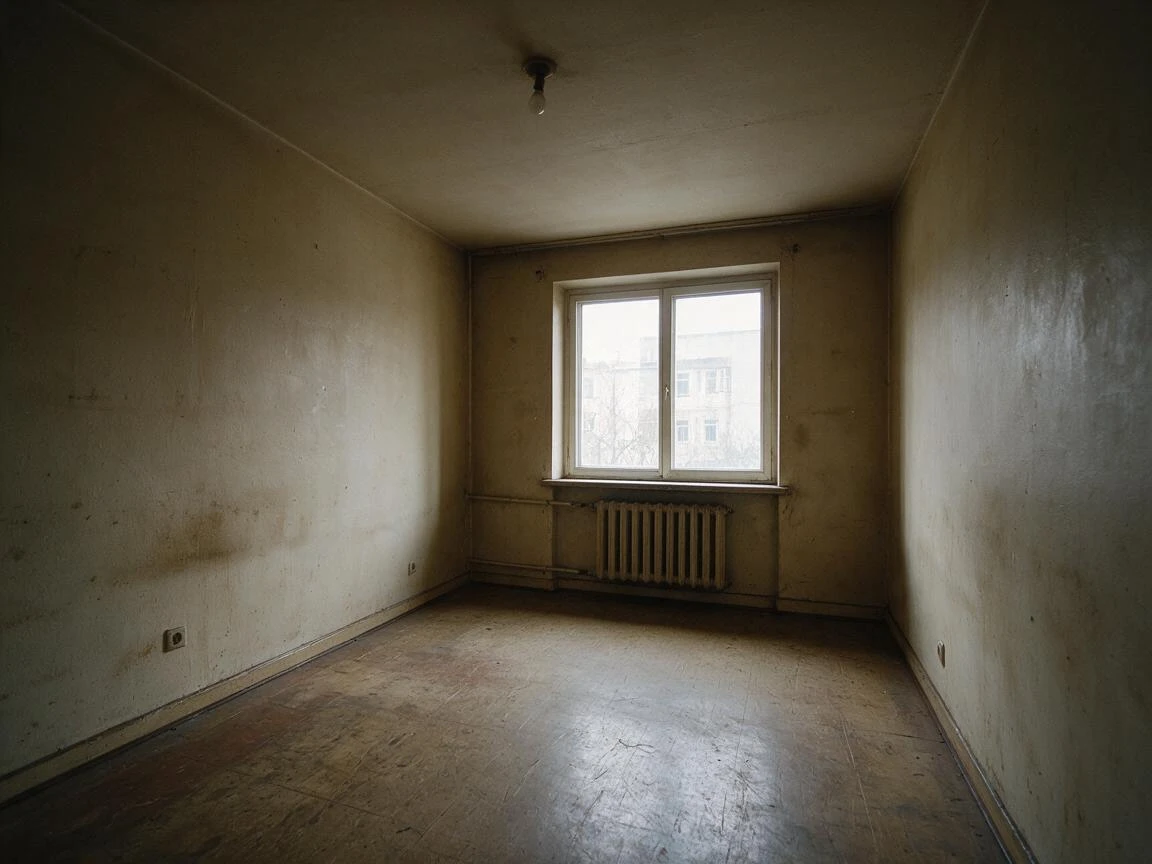
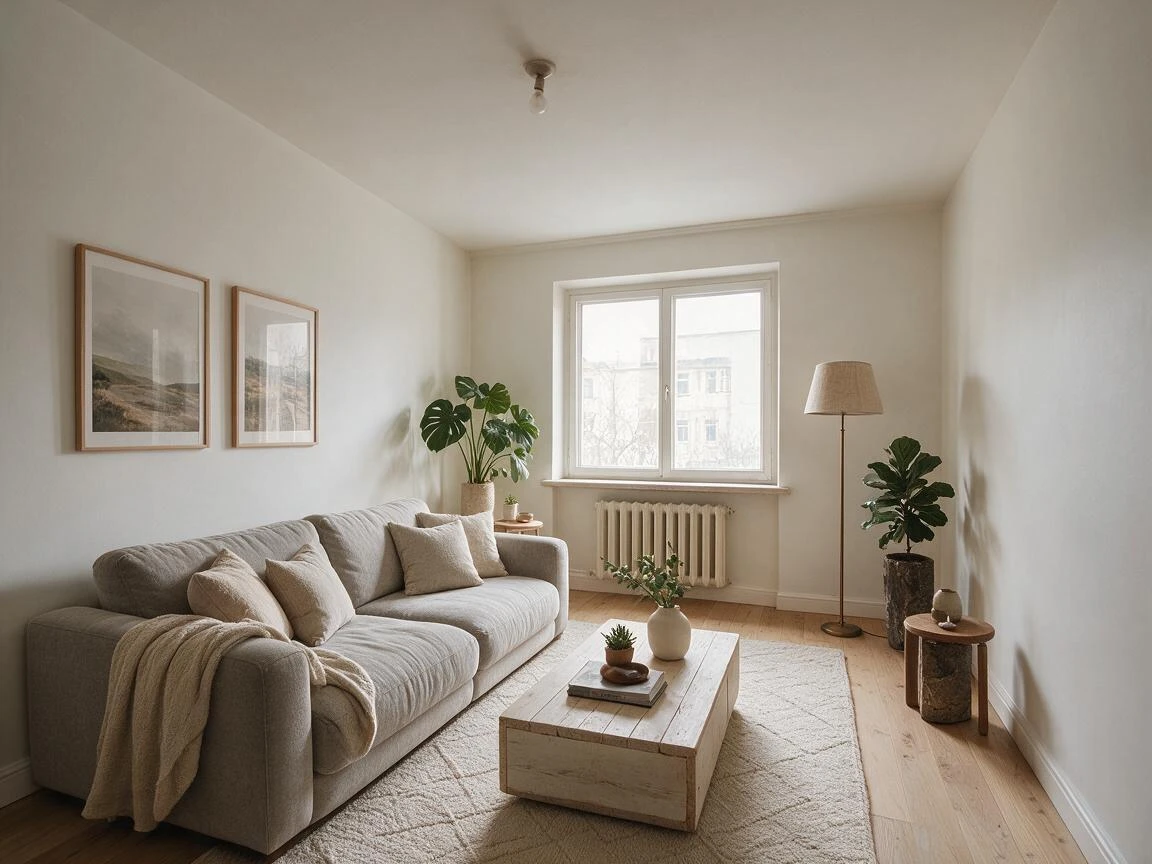
Dark walls absorb light, and dim rooms read small — that part is real physics. But a small room painted pale and then filled with contrasting furniture, art, and storage reads busier, not bigger. A room wrapped in one deep tone dissolves its corners: when wall and trim share a color, the boundaries stop announcing themselves, and the envelope feels like it extends past what the eye can measure. Powder rooms painted near-black are the classic proof — small rooms people travel to see.
There's also a taste argument hiding inside the old rule. Pale-and-bright was the only respectable look for decades, so every caution about dark paint carried that era's preferences inside it. What's changed is that deep, saturated rooms now photograph beautifully — moody interiors are a genre, not a mistake — and a generation of homeowners grew up saving pictures of them. The physics never banned dark walls. The fashion did, and the fashion moved.
LRV: the number behind "dark"
"Dark" isn't a vibe; it's a number every manufacturer publishes. LRV — light reflectance value — runs from 0 (a wall that eats light) to 100 (a wall that returns nearly all of it), and it's printed right on the color page: Benjamin Moore lists Chantilly Lace at 90, Sherwin-Williams puts Alabaster at 82, and the deep end of the fan deck lives below 10.
There's no official committee ruling on where "dark" begins, but the working rule of thumb among specifiers is that anything under roughly 20–30 LRV reads as a dark color in a normal room, and under 10 reads as dramatic. The number matters practically, not just academically: each step down the scale is light your room loses, which is why the same charcoal that looks rich in a sunlit south bedroom looks like a cave in a windowless hallway. When you shop for a dark color, compare LRVs, not names — two "charcoal" chips ten points apart behave like different colors after dark. This is the same number game as choosing between whites, just read from the other end of the scale.
The four conditions
First, light: dark rooms need strong layered lighting — lamps at three heights, warm temperature — because without them a deep wall is just a cave. Second, uniformity: paint walls, trim, and if you're brave, the ceiling in the same or neighboring tones; contrast is what cuts a room into pieces. Third, finish: a satin or eggshell catches lamplight and keeps a dark wall alive, where flat matte can go dead by evening. Fourth, editing: dark rooms need fewer objects, because every item glows against the depth.
The fourth condition is the one people underestimate. In a pale room, clutter blends; in a dark room, every object becomes an exhibit. That's half the charm and half the risk — the room curates itself, and anything you leave in it is a decision. Move the spare boxes out before the first coat dries, because a dark room gives them starring roles.
Where to start if you're nervous
A north-facing room with one window is the wrong candidate; start with a windowed powder room, hallway, or bedroom accent wall in a deep green or inky blue. Mid-depth colors — the dark end of sage, clay, or slate — deliver the effect with half the commitment.
And see it before the ladder comes out: upload your room photo, render it in a deep palette, and compare against pale — the verdict is usually instant and free. A digital mock-up is also the honest preview your room's actual light deserves, since it keeps your windows, floor, and lamps in the picture instead of a showroom's.
Dark walls and the listing photo
If the house is being sold, the calculation changes. Buyers judge listing photos in seconds, and photos of dark rooms only work when the photographer feeds them light: every lamp on, blinds up, and a shoot scheduled for the hours when the room's windows actually deliver. A deep-tone room shot casually reads as "dark and small" in the thumbnail even when it feels intentional in person — the drama that sells in a powder-room tour photo needs daylight to survive compression.
Staged well, though, dark rooms are memorable in a gallery of beige. That tracks with what buyers say they want: Zillow's color analyses — buyer surveys, so correlation rather than proof — keep finding deep-toned rooms near the top of the premium list, with a chocolate-brown primary bedroom the standout in their 2026 edition. The safe read: dark rooms don't cost you buyers when they're deliberate, lit, and shot with care. Undecided? Render the room both ways before the painter quotes anything.
FAQ
Does dark paint really make a room smaller?
No — poor lighting and visual clutter do. A small room wrapped in one deep tone, with walls, trim, and lighting handled as one scheme, often feels larger than a pale room full of contrast, because the corners stop announcing themselves. The catch: dark absorbs light, so the room needs layered lamps to stay out of cave territory.
What LRV counts as a "dark" paint color?
There's no official cutoff, but the working rule of thumb is under about 20–30 LRV reads as dark, and under 10 reads dramatic — near-black territory. LRV (0–100) is printed on every manufacturer's color page, so compare numbers before comparing names.
Should the ceiling be painted dark too in a small room?
If you want the full envelope effect, yes — same or neighboring tone on walls, trim, and ceiling, which dissolves the boundaries that measure the room. It's the boldest version of the look and the least forgiving: every seam and every lamp placement shows. Nervous painters can keep the ceiling a deep-toned shade lighter.
Do dark colors help or hurt when selling?
Neither, if done deliberately. Zillow's buyer-survey analyses — correlation, not proof — keep attaching some of the largest stated premiums to deep-toned rooms, and a moody powder room is a memory anchor in a day of showings. What hurts is a dark room photographed dark: lights on, blinds open, and shoot when the sun cooperates.
Compare
Related questions
Related tool
