
Which paint finish should you use in each room?
By Goodesign AI · Updated 2026-10-16
Use matte or eggshell on ceilings and low-touch walls, satin in kitchens and baths, semi-gloss on trim and doors — match the finish to the room. Finish controls how light bounces and how washable a surface is — pick it per room, not per house.
Paint color gets all the attention, but finish (sheen level) decides how a wall lives with you: how it handles light, scuffs, and scrubbing. Choosing finish per room is the difference between a paint job that looks fresh for five years and one that looks tired in eighteen months.
Flat and matte
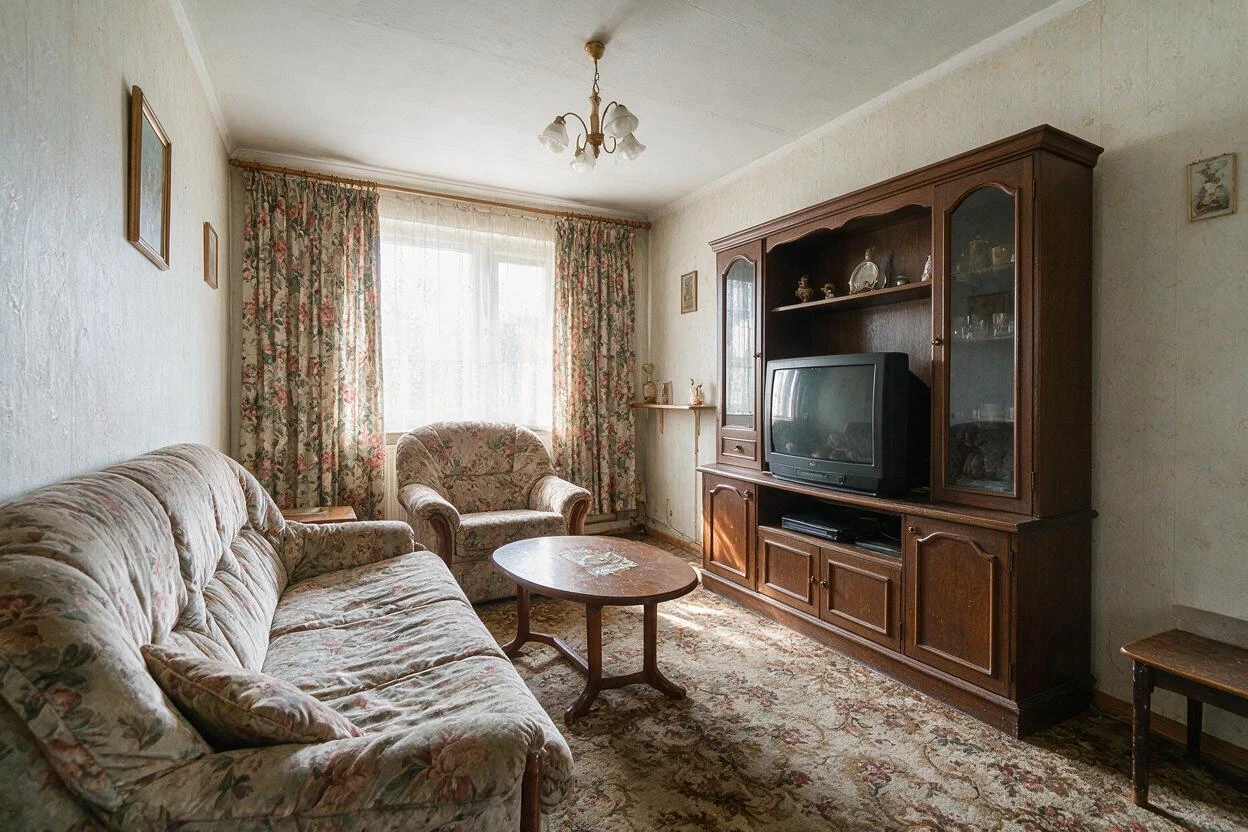
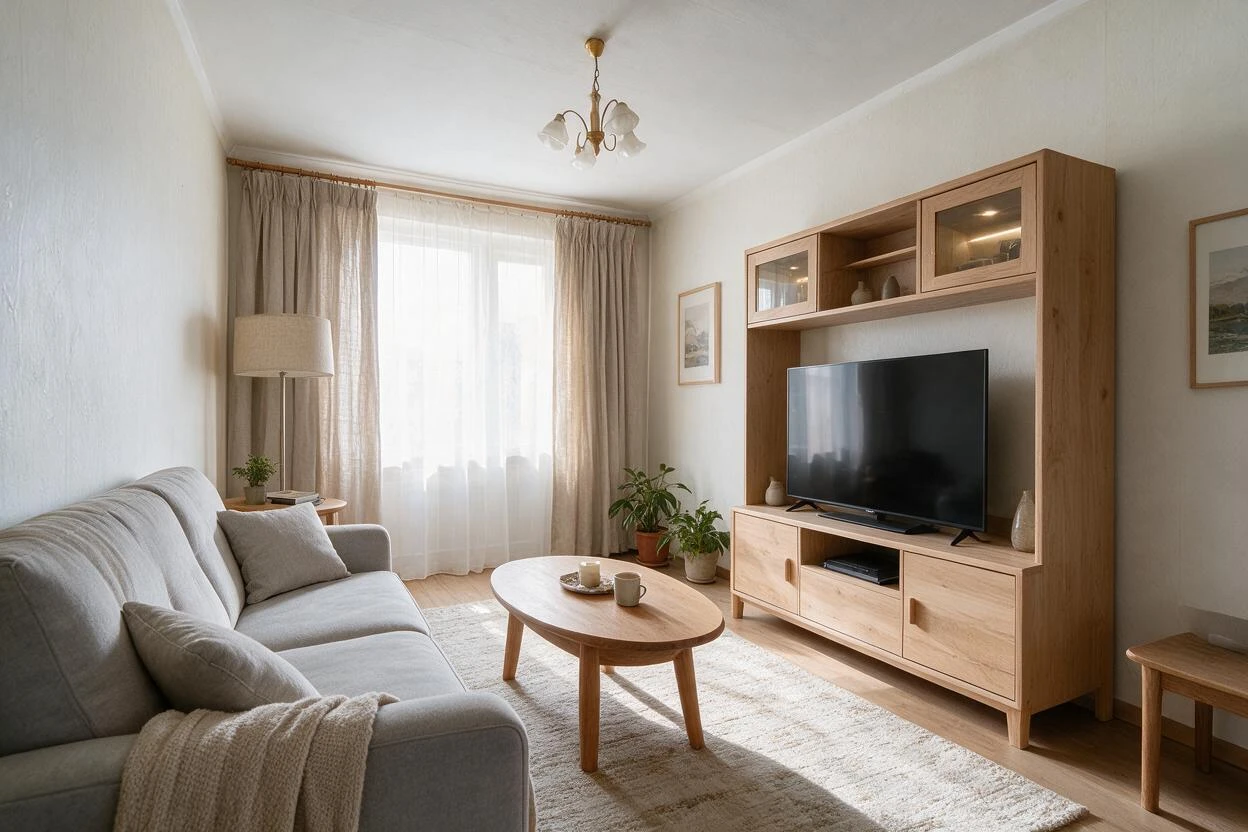
absorb light, which hides small imperfections in the wall — that's why they're the default for ceilings and main living spaces. The trade-off is washability: flat finishes can burnish or shiny-spot when scrubbed. Modern washable mattes improve on this, but they cost more. Use matte anywhere walls are viewed but not touched, and ceilings everywhere.
Eggshell
is the pragmatic middle: a low sheen that wipes clean without broadcasting every wall flaw. It's the right call for hallways, kids' rooms, and dining rooms — anywhere hands, chairs, or dogs make contact occasionally.
Satin
steps up durability another notch and shrugs off moisture, which makes it the standard for kitchens and bathrooms. Its slight sheen does highlight wall imperfections, so surface prep matters more here than with matte.
Semi-gloss and gloss
are for trim, doors, cabinets, and anything that gets wiped weekly. The strong shine is a feature exactly where you want scrubbability, and a liability anywhere else — a gloss wall turns every trowel mark into a spotlight.
The cheat sheet
The paint manufacturers agree on this ladder more than they agree on color — Benjamin Moore's finish guide and Sherwin-Williams' sheen guide both map sheens to surfaces in the same direction, and designer Emily Henderson's room-by-room guide lands in the same place from the taste side.
| Surface | Default finish | Why | Where brands differ |
|---|---|---|---|
| Ceilings | Flat or matte | Hides imperfections, no glare overhead | EHD allows eggshell/satin in steamy kitchens and baths |
| Living room, dining room, bedroom walls | Matte or eggshell | Flat hides flaws; eggshell adds wipeability | Designers lean flat; brands add washable mattes |
| Hallways, kids' rooms, stairs | Eggshell | Hands and scuffs meet a scrubbable surface | — |
| Kitchen walls | Satin | Grease and steam rinse off | Sherwin-Williams points kitchens to semi-gloss for easy cleaning |
| Bathroom walls | Satin or semi-gloss | Moisture resistance beats flat's flaws | EHD accepts eggshell in baths with good ventilation |
| Trim, doors, cabinets | Semi-gloss (satin acceptable) | The wipe-down zone; edges catch light | Brands agree; designers sometimes drop to satin |
Treat the table as the consensus and the last column as taste. The one ladder everyone climbs the same way: the more a surface gets touched, washed, or steamed, the higher the sheen.
The bathroom question
Bathrooms are the room where finish is least negotiable, because moisture punishes the wrong choice daily. The default is satin: enough sheen to wipe down condensation marks without turning every wall into a mirror. In a bath with a weak fan or a shower that steams the mirror every morning, semi-gloss on the splash zones is the safer call; in a large bath with real ventilation, eggshell on the dry walls is defensible. What doesn't change: flat on a shower-adjacent wall is a mildew-and-burnish problem waiting for humidity season, and surface prep — patched, primed, moisture-rated paint — matters more in this room than any sheen choice on this page.
One more variable people skip: light
A matte north-facing room can feel flat; the same color in eggshell picks up a subtle glow from lamps. And dark, saturated colors exaggerate every sheen difference, so they demand the best-prepared walls. This is also the variable no amount of theory settles — two rooms with identical paint and different windows justify different finishes, which is why paint looking different on the wall than on the chip is a finish problem as often as a color one.
How finish and color decisions interact
Sheen changes how color reads: the same paint looks deeper and flatter in matte, brighter and sharper in gloss, which is why the choice deserves to be made with the color, not after it. Tone-on-tone schemes lean on this — same-color walls and trim separate themselves by sheen alone — and low-VOC bases are available across every sheen on this page, so the health choice costs nothing in finish choice.
Before committing to gallons, preview color and finish pairs on a photo of your own room: upload it here, test candidates with a wall repaint preview, and compare matte against satin renders side by side — free, before the painter arrives.
FAQ
What sheen is best for bathrooms?
Satin is the default: durable, moisture-tolerant, and wipeable without mirroring every wall flaw. Step up to semi-gloss in splash zones or bathrooms with weak ventilation; drop to eggshell only on dry, well-ventilated walls. Flat paint is the one to avoid near showers — humidity finds every reason for it to spot and burnish.
Is satin or semi-gloss better for trim?
Semi-gloss is the traditional answer and still the default for trim, doors, and cabinets — it takes the most scrubbing and reads as a deliberate edge. Satin works when the look should be quieter: modern interiors with minimal molding often prefer it, and the durability difference matters less on trim than on a kitchen wall.
Should ceilings always be flat?
Flat is the default because it hides seams and never competes with the walls for light. The exceptions are practical, not stylistic: kitchens and baths with steam benefit from eggshell or satin ceilings that wipe clean, and very small rooms sometimes carry the wall color up in matte to erase the ceiling line entirely.
Compare
Related questions
Related tool
