
What is virtual staging and when should you use it?
By Goodesign AI · Updated 2026-10-16
Virtual staging uses software to add furniture and decor to a photo of an empty or dated room. Use it when a space photographs cold, when physical staging is too costly, or when you want to test a style before buying anything.
Virtual staging takes a photo of an empty, dated, or cluttered room and renders furniture, rugs, lighting, and decor into that exact space. The walls, windows, and layout stay as they are — only what you'd move or buy changes in the picture.
When it earns its keep
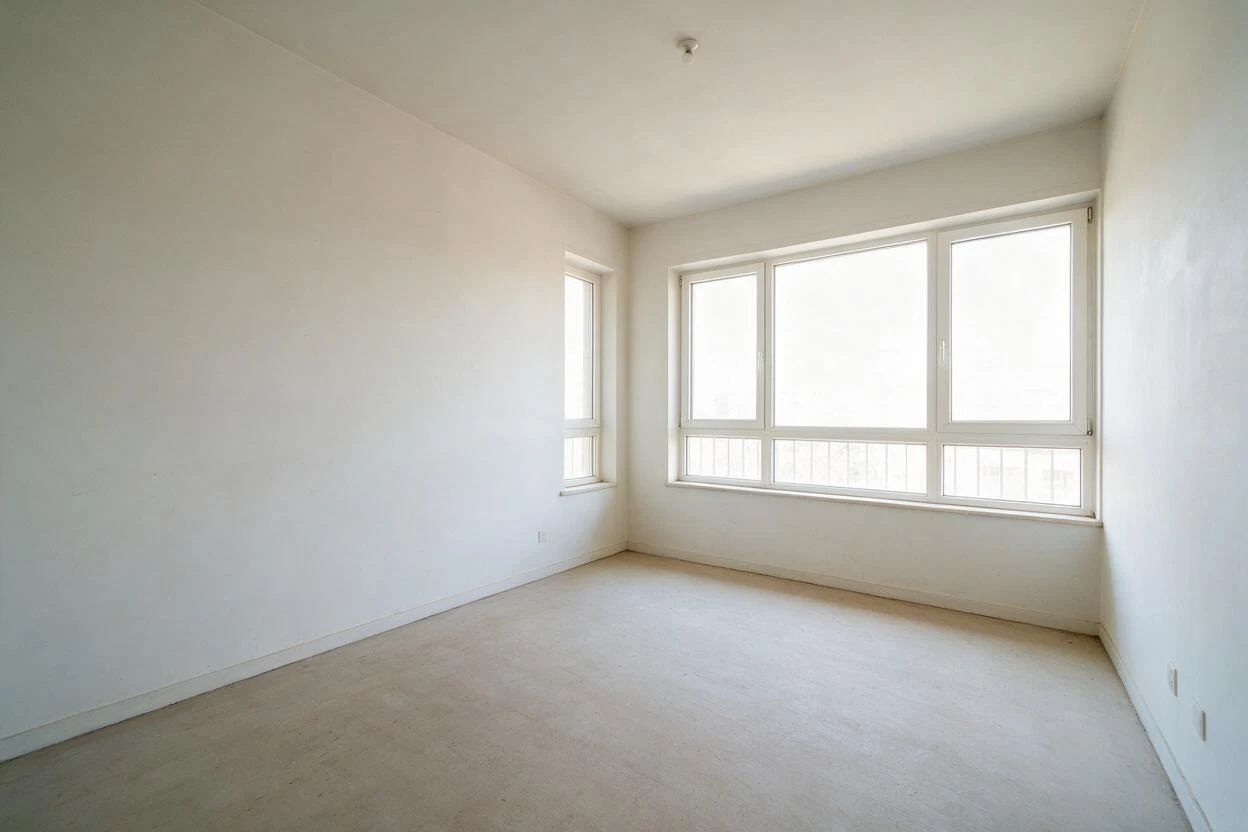
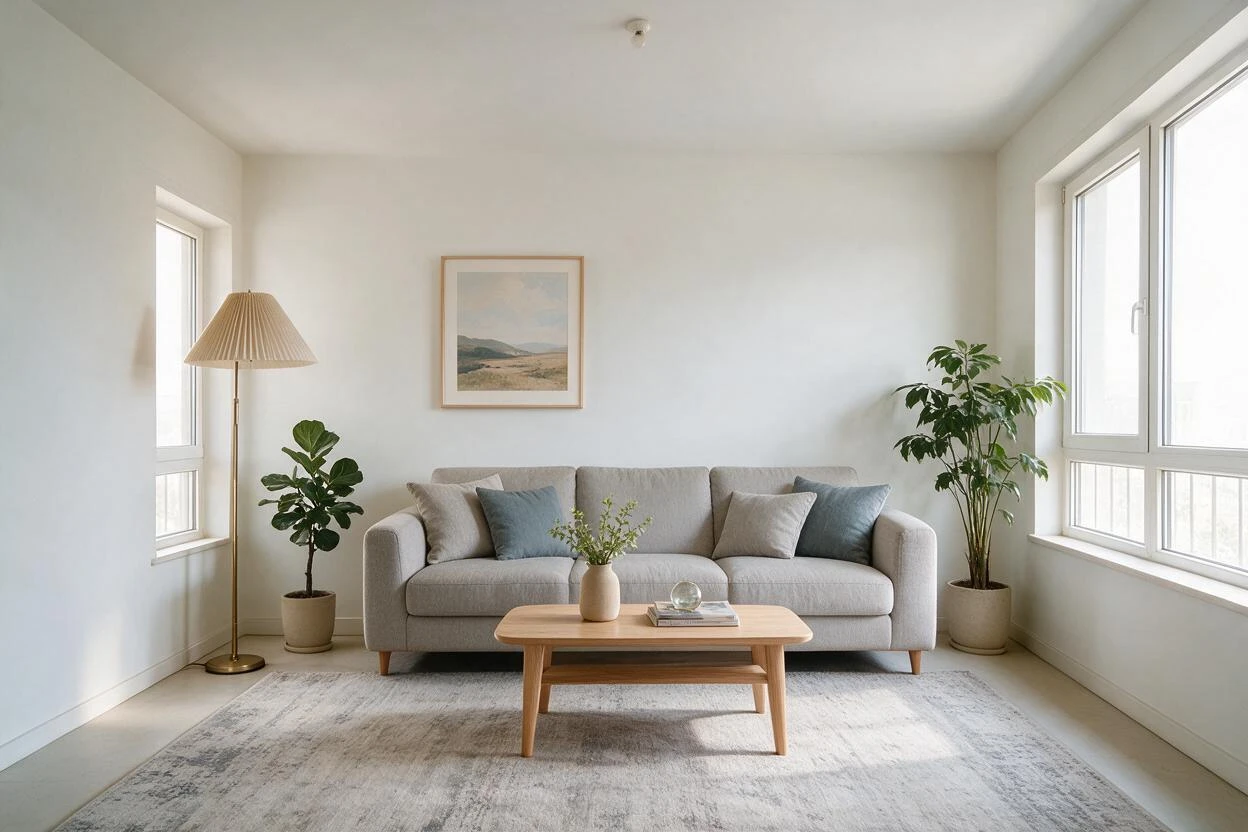
Empty rooms are the classic case: they photograph cold, and buyers struggle to judge scale in them. A staged version gives the eye anchors — a sofa that shows the room fits a full lounge setup, a bed that proves the bedroom isn't a closet. Sellers also use it on dated rooms: instead of arguing about the avocado tile, render the room with the same tile under modern furnishings and let buyers see past it.
What the data says
The National Association of Realtors' 2025 Profile of Home Staging found that 83% of buyers' agents say staging makes it easier for a buyer to visualize the property as a future home. The same report shows where the effort concentrates: among sellers who stage, the living room leads (91%), followed by the primary bedroom (83%) and the dining room (69%). That mapping carries straight over to virtual staging — those are the rooms where an empty photo taxes a buyer's imagination the most, and the first ones worth rendering.
Notice the verb: visualize. Staging's measured effect runs through buyer imagination, not furniture appreciation. A staged photo stops the scroll; an empty box invites buyers to measure the room in their heads and gives them nothing to feel about it.
When physical staging still wins
High-end properties where buyers expect magazine-grade photography, homes with awkward angles that AI struggles with, and markets where disclosure rules make buyers skeptical of any digital edit — in those cases, real furniture or nothing may serve you better.
What it costs next to the alternatives
Physical staging means renting furniture by the month — median staging spend runs about $1,500 per NAR's 2025 profile. Human virtual staging is cheaper but still skilled labor: BoxBrownie charges US$30 per photo with a 48-hour turnaround, and NAR's Styled, Staged & Sold column reported in 2025 that traditional virtual staging can cost $50 or more per image once edits stack up. AI staging is the third line on the menu: the same NAR piece cites AI platforms at as low as $0.17 per image, and our own staging tool renders five photos free before any card comes out.
If you're budgeting a whole listing, what virtual staging actually costs works through a real six-photo example at each price point, and virtual staging vs. physical staging settles when rented sofas are still worth it.
The disclosure rule
Most MLS platforms allow virtual staging with a clear "virtually staged" label. Never present a rendered room as a photo of the actual furnished property; that crosses from marketing into misrepresentation.
How to read a render critically
Hold every render to the stranger test: would someone who knows this room spot the lie? Four checks catch most problems.
- Architecture stays put. Windows, doors, baseboards, and outlets are where they were. A render that moves a window isn't staging — it's a different house.
- Light agrees with the windows. Shadows fall the direction the daylight says they should, and nothing glows brighter than the room.
- Scale stays honest. A sofa that leaves no walkway to the kitchen flatters the photo and wastes the showing.
- Nothing repeats. The same chair twice, identical art in matching frames, a rug pattern that mirrors the ceiling — repetition reads as machine-made.
When a render looks off, it's usually one of these four. Why AI renders look fake catalogs the specific tells and what to do about each.
How to get good results
Shoot from chest height with lights on, keep the camera level, and write prompts that name a style and two or three anchor pieces. If a render looks off, don't fight it with one giant prompt — refine: swap the sofa first, then adjust the rug.
You can test all of this without spending a dollar: upload a room photo and preview a staged version free. If the render convinces you, it will usually convince a buyer.
FAQ
Is virtual staging legal in real estate listings?
Yes, with disclosure. Most MLS platforms allow virtually staged photos as long as they're labeled; presenting a render as a photo of the actual furnished property is misrepresentation. Rules vary by board, so check your local MLS policy before publishing.
Does virtual staging actually help sell a house?
It removes the imagination tax: NAR's 2025 Profile of Home Staging found 83% of buyers' agents say staging makes it easier for buyers to visualize living there. It won't rescue a wrong price or a neglected house — it stops an empty photo from turning buyers away before they book a showing.
How much does virtual staging cost?
It starts at zero — free AI tiers like Goodesign's five full-quality designs cover small listings entirely. AI plans run a few cents to a few dollars per image; human services charge roughly $20–70 per photo, with BoxBrownie's standard rate at US$30.
How long does virtual staging take?
AI staging renders in seconds — about 15–30 seconds per photo on Goodesign, and a regeneration takes just as long. Human virtual staging services quote 24–72 hours. Physical staging takes days to weeks of rental logistics on top of that.
How accurate is virtual staging compared with the real room?
Accurate enough to sell the room, not accurate enough to build it. Good renders keep walls, windows, and floor unchanged and read as real at listing size; they can still be a few centimeters optimistic on furniture clearances, so measure before you buy anything based on one.
Which rooms should I stage virtually first?
The rooms buyers cannot picture furnished: empty living rooms, primary bedrooms, and any dark or oddly shaped space. Kitchens, bathrooms, and hallways rarely need added furniture — they need better light and a clean frame, which is photography work, not staging work.
Can virtual staging remove furniture I already have?
Yes — that is occupied virtual staging. The room's walls and windows stay as photographed while the existing sofa, clutter, or dated pieces are removed or swapped digitally. It is the standard fix for a lived-in home that cannot be emptied before the shoot.
Related questions
Related tool
