
How much does virtual staging cost?
By Goodesign AI · Updated 2026-10-16
Professional virtual staging services typically charge $20–70 per photo. AI tools have collapsed that: you can generate staged renders yourself for a few dollars per image or less, with free tiers (like Goodesign's five free designs) covering small listings entirely.
Virtual staging pricing has two eras, and the difference matters for your budget. One era prices like a design service. The other prices like software — and software pricing is where most listings belong now.
The service era
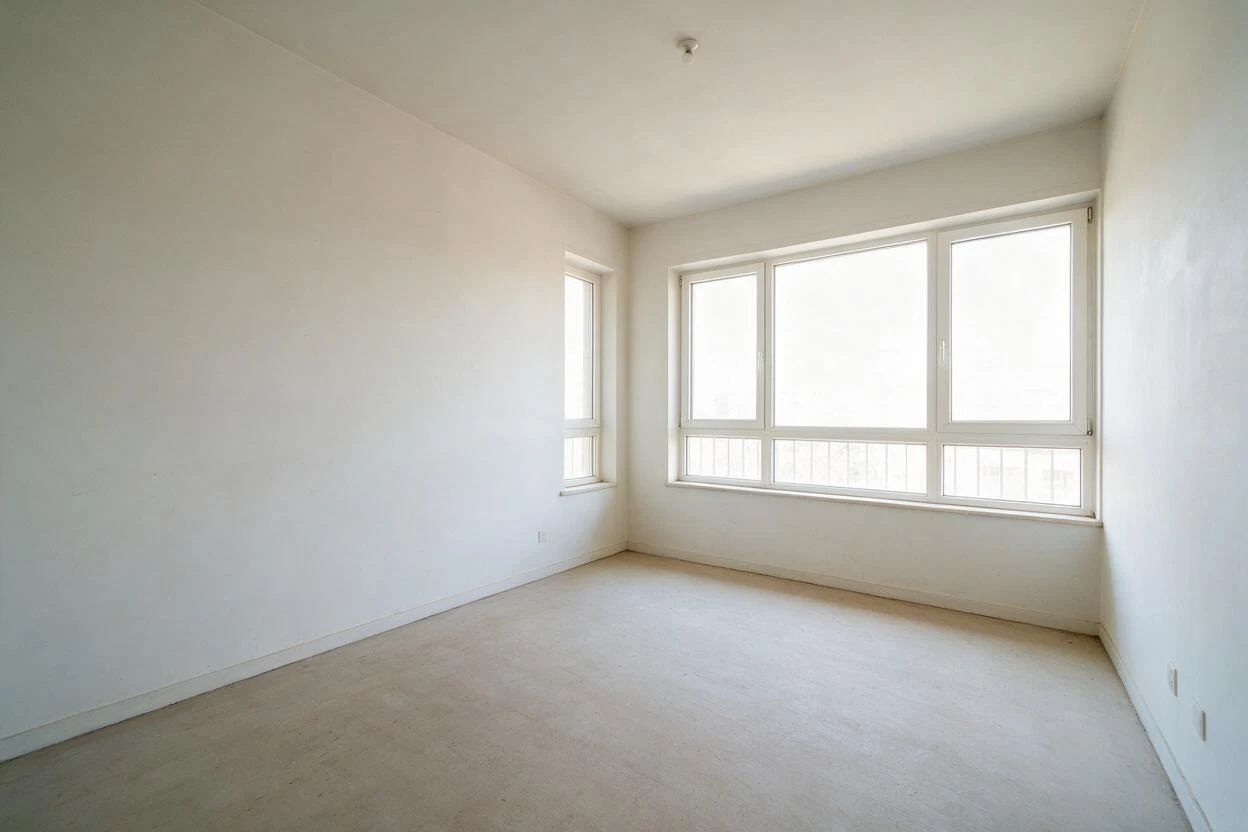
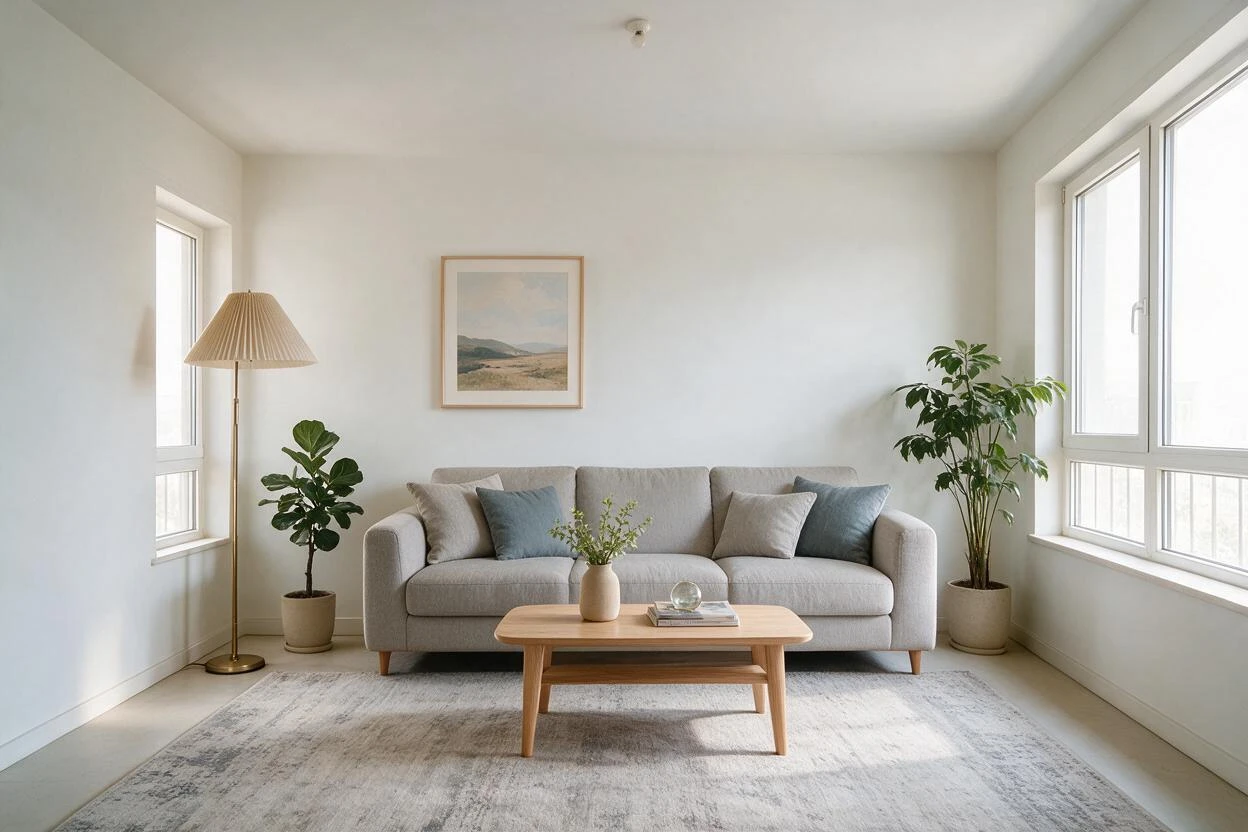
Traditional virtual staging is done by human designers using rendering software. Pricing runs roughly $20–70 per photo depending on the provider, turnaround (24–72 hours), and revision policy. A six-photo listing commonly lands at a few hundred dollars. You get human judgment and consistency; you pay for it and wait for it.
The floor of that market is easy to check. BoxBrownie, one of the longest-standing names in the business, charges US$30 per photo for standard virtual staging, no subscription required. Designers serving luxury listings charge several times that for bespoke furniture sets, custom angles, and revision rounds. None of that pricing is unreasonable — it's skilled labor. It's just labor, with labor's costs and labor's calendar.
The AI era
Modern tools generate staged renders directly from your photo in about a minute. Cost per image drops to cents-to-dollars of compute, which most tools package as free trials plus monthly credit plans. Quality on standard rooms is now close to human-designed output; complex angles and luxury finishes are where human designers still hold an edge.
NAR's Styled, Staged & Sold column reported in 2025 that AI virtual staging can run as low as $0.17 per image. Our own tools return a staged render in 15–30 seconds, and a free tier covers five images before any card comes out. The unit of cost has changed: you're no longer buying a designer's afternoon, you're buying a regeneration — and regenerations cost the same as the first attempt.
Virtual staging price ranges in 2026
| Option | Price per photo | Turnaround | What you get |
|---|---|---|---|
| Free AI tier | $0 | 15–30 seconds | A handful of renders (Goodesign gives five) — enough for a condo's hero rooms |
| AI subscription | A few cents to a few dollars per render inside a $10–30/month plan | 15–30 seconds | Flat cost, regeneration in any style, full room coverage |
| Human virtual staging, budget | $20–50 | 24–72 hours | BoxBrownie's $30/photo sits here; dependable on standard rooms |
| Human virtual staging, premium | $75–100+ | 2–7 days | Bespoke furniture, awkward angles, revision rounds, luxury-grade finish |
Two things to notice. The gap between AI and human isn't 10 percent — it's one to two orders of magnitude. And the turnaround gap is bigger than the price gap: minutes against days, which matters when your photographer is already booked for Thursday.
What a typical 6-photo listing actually costs
Stage the six shots a gallery actually leads with: living room, kitchen, primary bedroom, dining room, a second bedroom, and the exterior or office. Here's the same six-photo job at each price point.
- Human service at $30 per photo: $180, delivered in two to three days.
- Human service at $75 per photo: $450, plus revision rounds if the style misses.
- AI subscription: $14/month covers all six with room to regenerate each one — under $3 per staged room, done before your coffee cools.
- Free tier: $0, if five renders cover you. For condos and small homes, they usually do.
Set that against physical staging: HomeGuide's survey (quoted secondhand by HomeLight) puts traditional staging at $1,500–4,000 for the first month, then $500–1,500 for each month after. NAR's 2025 Profile of Home Staging puts median staging spend at $1,500. Six staged photos for under $150 isn't a discount on that. It's a different category of spending.
Who pays: agent, seller, or photographer?
At service-era prices this was a real negotiation. At today's prices it mostly isn't. Sellers argue about physical staging because the number is big enough to argue about; virtual staging at cents to dollars gets treated like photography — a marketing line item the listing agent absorbs without a second thought. If you're a seller, don't expect a credit for it. If you're an agent, don't bother asking. Pick the rooms and stage them.
What actually drives your total
Photo count, not square footage: a two-bedroom condo staged in five images costs what a five-image package costs, regardless of price per unit. Most listings need four to eight staged images — the gallery's main rooms — not one per photo.
So the lever that moves your bill is selectivity. Stage the rooms that fill the first six gallery slots; skip the laundry room. If you're not sure how many images a listing should carry at all, we've covered that in how many photos a listing should have.
Hidden costs to avoid
Revision fees (some services charge per round), watermark removal fees, and rush fees. AI tools with a flat credit model skip all three: a regeneration costs the same as the first attempt.
Two more worth checking before committing to any service: usage rights (some budget providers license the image back to you for a single listing) and style-change fees, where swapping "modern" for "farmhouse" counts as a new order. With AI tools both are non-issues — regenerate in a different style for the same cost, or none at all.
The DIY middle path
Many agents start with a free tier — for example, Goodesign gives five free designs with no card — stage the hero rooms themselves, and only escalate to a human service for a flagship luxury listing where bespoke staging value justifies the spend.
The escalation test is simple. If the render must match a specific $12,000 sofa the buyer could actually own, hire a human. If the render needs to say "this room has room," you're already done.
The practical answer for most sellers and agents: start free, count your clicks, and you'll know within an hour whether virtual staging pays for itself on your listing. And if the value question is still open, settle it first in is virtual staging worth it — the cost case only matters once the value case holds.
FAQ
How much does virtual staging cost per photo?
Human-designed virtual staging runs roughly $20–70 per photo — BoxBrownie charges $30, and premium designers charge well above that. AI tools generate a staged room for cents to a few dollars; NAR reported rates as low as $0.17 per image in 2025, and free tiers cover smaller listings entirely.
Is virtual staging cheaper than physical staging?
By one to two orders of magnitude. Traditional staging runs $1,500–4,000 for the first month in many markets, while a six-photo virtual gallery costs $0–180 depending on how it's made. Even NAR's median physical staging spend of $1,500 is roughly ten times a human-designed virtual set — and hundreds of times an AI one.
How much does it cost to stage a 3-bedroom house virtually?
Most three-bedroom listings need four to eight staged images: $120–240 at a $30-per-photo service, or effectively nothing on an AI plan, where a $14/month subscription covers it several times over and a five-render free tier stages many condos at $0.
Are there hidden fees with virtual staging?
With human services, watch for per-round revision fees, watermark removal, rush turnaround, and single-listing usage licenses. Flat-credit AI tools skip all four — regenerating in a new style costs the same as the first attempt, which is usually nothing.
Is there a free way to stage listing photos?
Yes, and the catch is volume rather than quality. Free AI tiers — Goodesign includes five full-quality designs on signup — cover a small listing outright. The tradeoff appears at scale: a 30-photo gallery or a busy month needs a paid plan, where credits run from roughly $14 a month.
Do I pay per photo or per listing?
Both models exist and they behave differently. Human services bill per photo ($20–70), so a six-image gallery is a real invoice. AI tools bill in credits where one credit equals one image, which makes a 30-photo month cheaper than a single human-designed photo.
Why do human staging services charge $20–70 per photo?
You are paying for a person's hours, not pixels: designer selection, revisions, watermark removal, and a usage licence per listing. Those four line items are exactly what AI credits skip, which is why the same room can cost cents — and why revision rounds feel free.
Related questions
Related tool
