
How often should you restyle a room?
By Goodesign AI · Updated 2026-10-16
Most rooms benefit from a small restyle every one to two years and a larger one every five to eight. Test any big change on a photo of the room first. The honest trigger isn't the calendar, though — it's when the room stops supporting how you actually use it, or when key textiles show wear.
There's no rule that a room must be restyled on a schedule, but wear, light-fastness, and lifestyle changes create natural cycles. Here's a practical way to think about it.
The yearly check (no purchases)
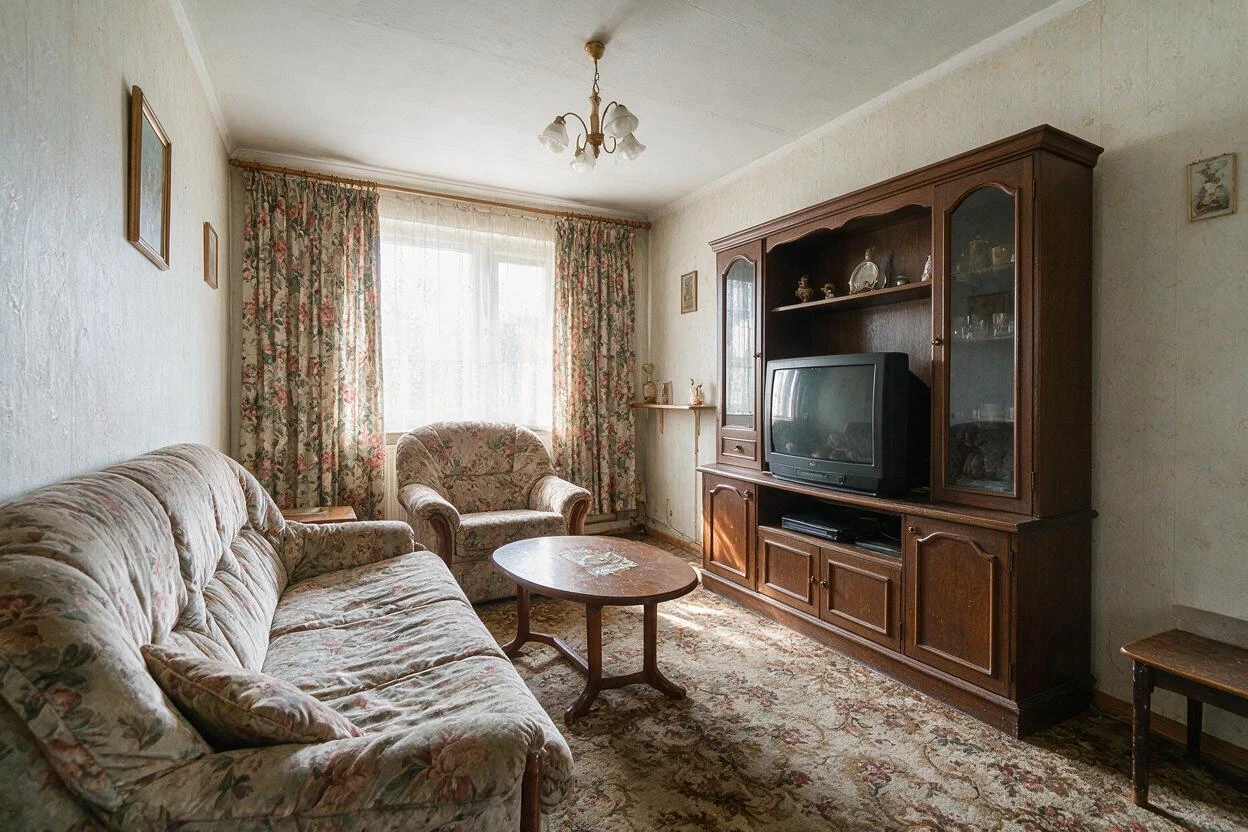
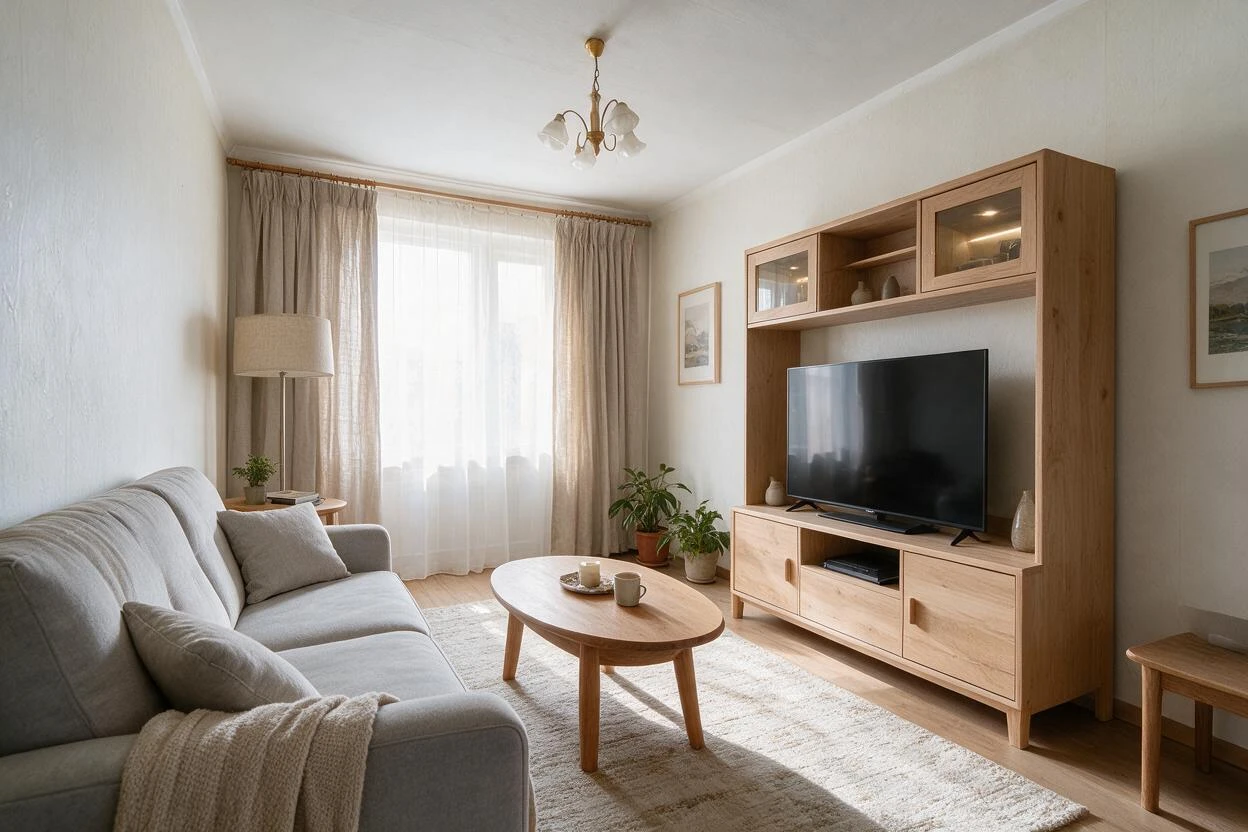
Once a year, walk the room and ask three questions: Is anything visibly worn — faded curtains, pilled cushions, a rug that's flattened? Has the room's job changed — a guest room that became a nursery, a living room that became a work-from-home base? Is there one change that would remove a daily annoyance — the lamp that's always too dim, the chair nobody sits in? Write the answers down; this list is your restyle brief.
The one-to-two-year textile refresh
Soft goods age fastest: cushions, throws, curtains, and rugs take sun and friction first. Swapping textiles is the highest-impact, lowest-cost restyle because it changes color and mood without touching furniture. This is also the safest level to preview with AI — render two or three textile directions on a photo of your actual room before buying anything.
The five-to-eight-year furniture cycle
Sofas and case goods last longer than trends. Replace pieces when they break, when comfort fails, or when a genuine style shift matters to you — not because a look cycled on social media. Between full replacements, one or two targeted swaps — an armchair, a coffee table — can carry a room through a style shift at a fraction of the cost, because large neutral anchors tolerate more than one era of accents around them.
Two things worth restyling more often
Entryways and mantels/shelves. They're small, visible daily, and cheap to change — a seasonal reset there keeps a home feeling current while the big furniture stays put.
What the survey data actually shows
No standards body publishes a "correct" restyling interval, and nobody should pretend one exists — homes don't restyle on schedules, they restyle when something triggers it. What the survey record does show is that most households restyle constantly in small ways. In the 2026 U.S. Houzz & Home Study, 52% of homeowners reported decorating their home in the past year and 54% reported renovating — in other words, more than half of all households do some form of restyling in any given twelve months. A Redfin-commissioned survey fielded in late 2025 found 43% of Americans had renovated within the past year and another 33% were planning to in the next one, with painting the single most common project. Read together, the practical conclusion isn't "restyle every X years" — it's that a typical household touches every room at least once every few years, and the rooms that go untouched the longest are usually just waiting on a bigger trigger: a worn sofa, a life change, or a sale.
The restyle with the biggest leverage: before a sale
If you're going to concentrate your restyling energy anywhere, concentrate it here. When a home goes on the market, every room is judged in seconds as a photo, and a dated or over-personal room costs viewings in a way a dated room you live in never will. This is the moment for the neutral, current version of the room: worn textiles swapped, loud colors quieted, furniture thinned so the space reads. Full staging isn't required — decluttering and a textile-level refresh capture most of the effect for a fraction of the price. And if the room genuinely can't be brought current in time, virtual restaging applies the same logic to the photo instead of the room.
Before you spend, test on your own walls: upload a room photo, try a restyle direction, and see whether it actually looks better in your light — five free designs, no card required.
FAQ
How often should you redecorate a room?
There's no official standard, and the survey record suggests most active households do some decorating every single year — Houzz's 2026 study found 52% of homeowners decorated within the past year. Full furniture replacement runs longer, typically five to eight years. Let wear, lifestyle changes, and how the room actually gets used set the timing rather than the calendar.
How often should you change your decor?
Textiles — cushions, throws, curtains, rugs — every one to two years, since they fade and wear first and cost least to replace. Entryways and shelving displays can take a seasonal reset. These small layers do most of the "the room feels fresh again" work between big changes.
Should you restyle a room before selling?
Yes — it's the restyle with the clearest payoff. Buyers meet your home as photos first, and a neutral, current-looking room keeps them in the running instead of in the skip pile. Decluttering, swapping worn textiles, and neutralizing the loudest color in the room capture most of what staging achieves, at a fraction of the cost.
Compare
Related questions
Related tool
