
What is boho style in interior design?
By Goodesign AI · Updated 2026-10-16
Boho (bohemian) style layers pattern, plants, and global textiles into a relaxed, collected-over-time look: rattan, macramé, kilim rugs, floor cushions, and shelves of objects with stories. There are no strict rules beyond warmth and abundance — but the good versions curate the chaos around one or two base colors.
Boho — bohemian — style layers pattern, plants, and global textiles into a relaxed, collected-over-time look. Rattan and macramé, kilim rugs, floor cushions, hanging plants, shelves of objects with stories: the room is supposed to look like it was assembled over years of travel and market finds, not delivered in one afternoon.
Where the name comes from
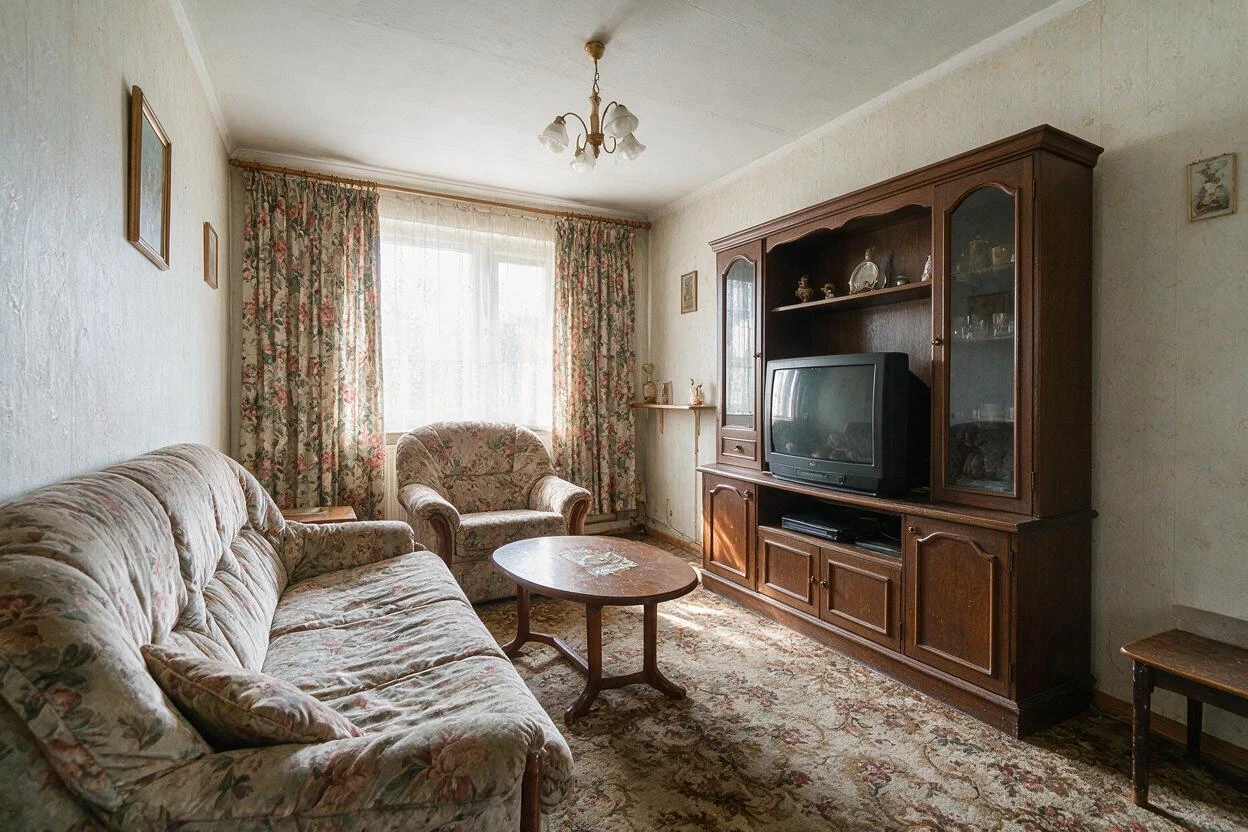
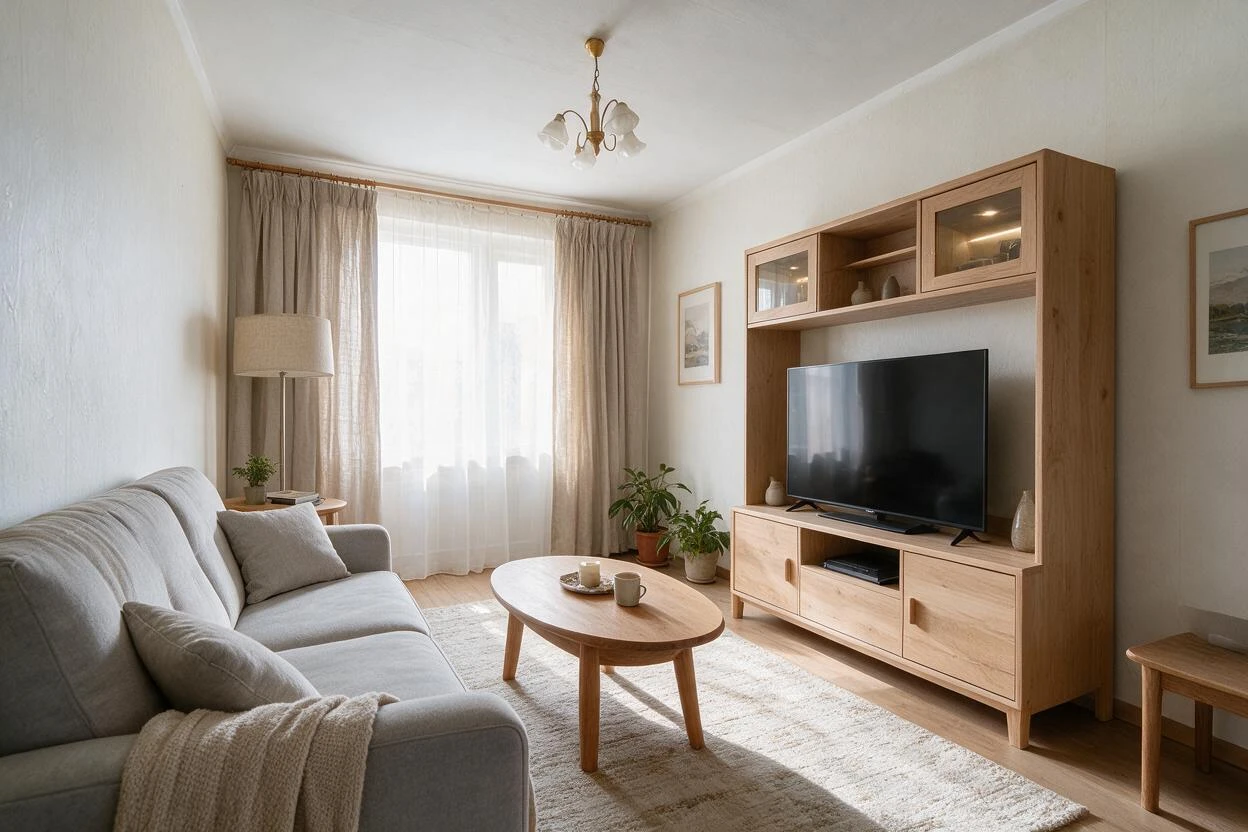
"Bohemian" started as a label and became an identity. In 19th-century France, la bohème was a common name for the Romani, believed to have arrived via Bohemia; the word then drifted onto the young artists of the Latin Quarter who lived poorly on purpose — art over money, convention out — a scene Henri Murger's 1845 Scenes of Bohemian Life fixed in the public imagination, per Wikipedia's history of bohemianism. Interior boho inherits the same idea: a room assembled from travel, markets, and hand-me-downs rather than ordered from one catalog. The style-guide version of the kit — ikat and suzani textiles, macramé, floor pillows, butterfly chairs, plants everywhere — is cataloged in The Spruce's bohemian guide, layered over warm earthy base colors with jewel tones above.
The materials
Natural and handmade-looking above all: rattan, wicker, jute, linen, unbleached cotton, worn leather, terracotta. Anything glossy, chrome, or mass-produced-looking breaks the spell. Patterns mix freely — kilims over stripes over florals — held together by an earthy base of cream, rust, ochre, and brown.
The modern correction
Early boho catalogs piled everything in and called it charm; the versions that photograph well now edit harder. Two base colors anchor the layers, plants are grouped rather than scattered, and negative space gets left deliberately between collections. Boho maximalism works when each cluster of objects is curated — abundance with punctuation, not wallpaper of stuff.
Why it suits renters and slow decorators
Boho is assembled, not installed: no built-ins, no fixed lighting, everything freestanding and movable. A room becomes boho one market-find at a time, which makes it the most budget-compatible style there is — and the most forgiving of mismatched pieces.
The one non-negotiable
Warmth. Cool light, cold grey walls, or sterile floors kill boho faster than clutter ever could; everything else is negotiable.
Why it stages so well (and where it goes wrong)
Boho's useful trick in photographs is depth: layered textiles give a room the visual richness that sparse rooms lack — every texture catches light slightly differently, and the camera reads that as warmth. It's also the best demonstration there is of how much soft furnishings can do without touching walls or floors, which is why lightly-boho renders work so well for showing a listing's cozy potential. The honest caveat: boho is the most taste-specific style in this series, and listing photos are shot for strangers. The marketable version is the edited one above — two base colors, grouped plants, curated clusters — not the full maximalism that reads as somebody else's life.
Test the look on your actual room: upload a photo and restage it in boho layers — swap textiles, textures, and mood without moving a single piece.
Want the full picture — palette, materials, and how the style comes together? See the Boho interior style guide, then preview it on your own photo.
FAQ
What colors are boho style?
A warm earthy base — cream, rust, ochre, brown — with jewel tones layered on top; The Spruce's guide suggests deep purple, fiery orange, and electric blue as accents, against white walls that give the eye somewhere to rest. The common mistake is adding brights before the earthy base exists. Pattern without ground is just noise.
Is boho still in style?
Yes, though it has matured. The 2010s version — macramé ordered in bulk — got satirized, and what's current is closer to "collected": fewer, more personal pieces and heavier natural textures. The abundance survived; the mass-produced sameness didn't.
What's the difference between boho and eclectic?
Eclectic is any deliberate mix of styles; boho is a specific dialect of it — warm, natural, handmade-leaning, rich in global textiles. A room can be eclectic without a single rattan fiber; boho is always eclectic by nature. If the layers appeal but the abundance doesn't, japandi is the edited counterpart, and wabi-sabi shares the love of worn, imperfect things without the pattern.
Compare
Related questions
Related tool
