
What is wabi-sabi interior design?
By Goodesign AI · Updated 2026-10-16
Wabi-sabi is the Japanese aesthetic of finding beauty in imperfection, impermanence, and age: handmade objects, natural materials that weather visibly, muted earth palettes, and rooms left slightly unfinished on purpose. In interiors it reads as calm, tactile, and quietly imperfect — the deliberate opposite of polished and new.
Wabi-sabi is less a decorating scheme than a way of choosing what stays in the room. The term joins two ideas: wabi, the beauty of the modest and rustic, and sabi, the patina that time leaves on things. Applied to interiors, it produces spaces that feel settled rather than staged.
Where the word comes from
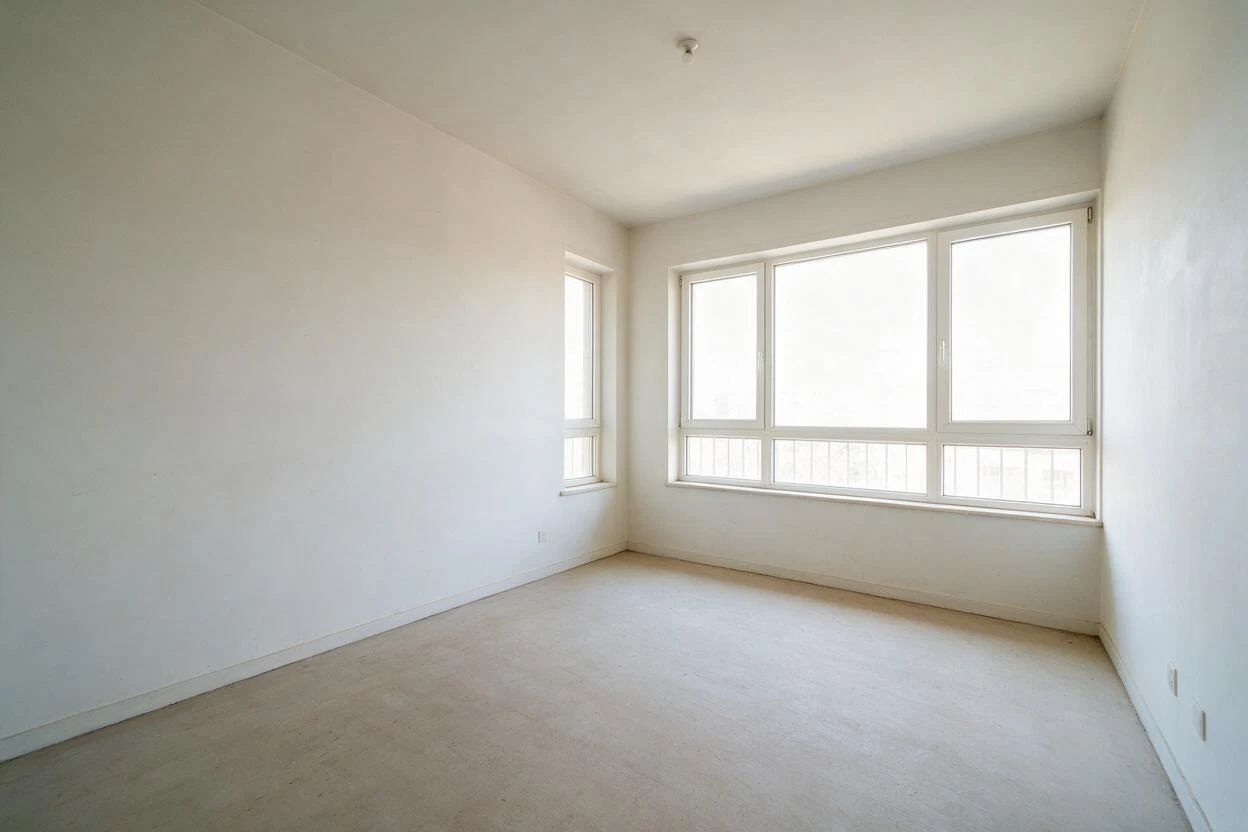
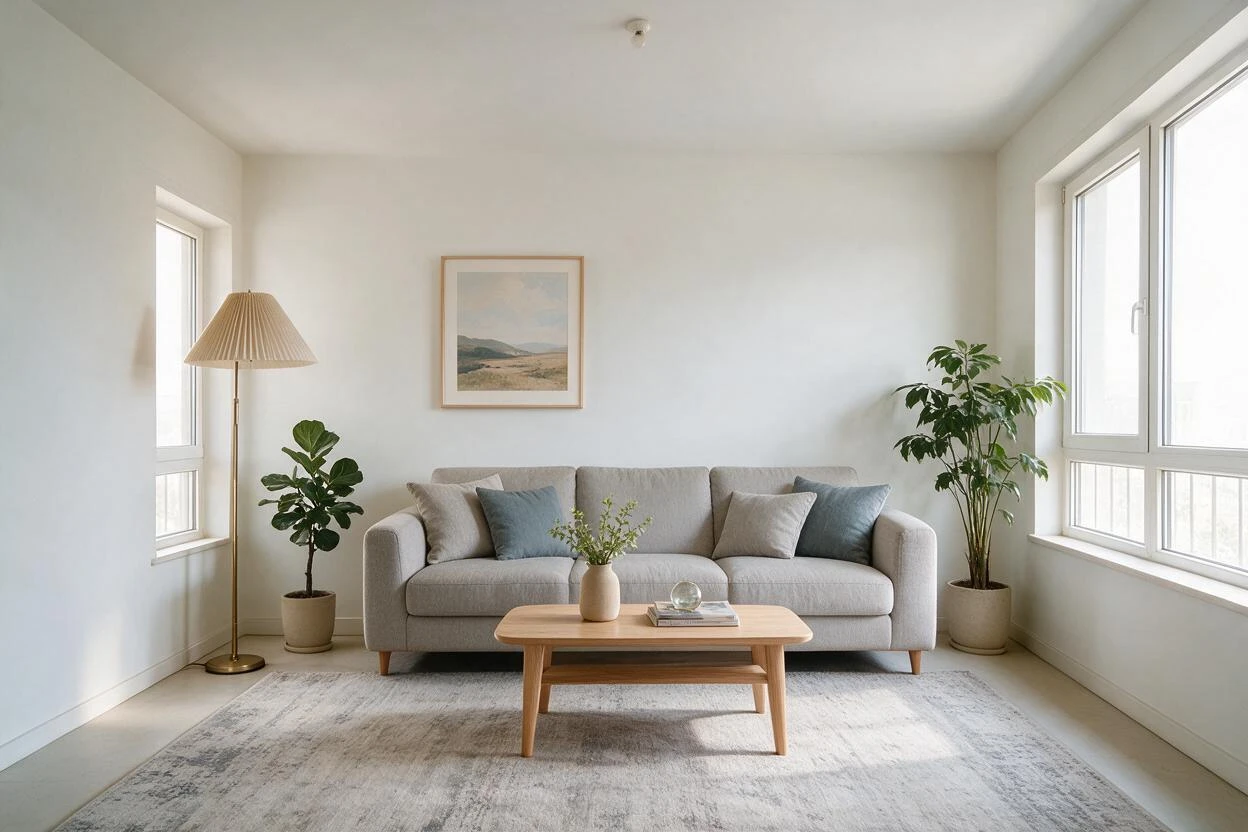
The aesthetic has roots in Zen Buddhism and the Japanese tea ceremony: sixteenth-century tea masters replaced ornate Chinese vessels with simple wooden and clay ones, and the rustic teahouse became the style's founding room. The version of the term most of the world now uses traces to Leonard Koren's 1994 book Wabi-Sabi for Artists, Designers, Poets & Philosophers — Koren's own site credits it with introducing the word to the non-Japanese world and defines wabi-sabi as "a beauty of things imperfect, impermanent, and incomplete." Imperfect, impermanent, incomplete: the three words are the entire shopping list. Nothing in a wabi-sabi room is flawless, nothing is meant to last untouched forever, and nothing is quite finished — which is the deliberate opposite of a room bought new in one afternoon.
The materials
Natural, tactile, and allowed to age: raw linen and undyed wool, aged wood with visible grain and knots, handmade ceramics with thumbmarks and uneven glazes, stone, paper, clay plaster. Nothing glossy, nothing pretending to be something else. A chip in a favorite bowl is not damage to hide — it's the object's biography showing.
The palette
Earth tones drawn from the materials themselves: clay, sand, charcoal, moss, oatmeal, rust. No bright whites — even the walls lean toward plaster and pigment, often finished in limewash that records every pass of the trowel. Light is soft and layered, never uniform.
The composition
Wabi-sabi rooms are edited but not empty: one branch in a heavy vase, a low bench, a textile thrown rather than folded, furniture placed for use rather than symmetry. Negative space carries meaning — what's left out matters as much as what's in. Perfection is treated with suspicion: two cushions mismatched, a table that's slightly off-level, art hung a little low. These are features.
How to try it without renovation
Start by removing everything mass-produced and glossy that you don't love. Swap machine-made textiles for washed linen and wool. Keep objects with visible history, add one handmade piece per surface, and resist the urge to finish the room — the unfinished edge is the point.
Why wabi-sabi photographs well — and cures fake-looking renders
The style's quiet superpower in a listing is authenticity. Buyers have a trained eye for images that are too clean — geometry too perfect, light too even, surfaces untouched by any life — and those images read as advertisements rather than rooms. Wabi-sabi elements are the antidote: a wrinkled linen throw, a hand-thrown vase with a visible thumbprint, wood grain with knots, a limewash wall with trowel variation. Each registers as proof that a real life happens here, which is the exact note buyers trust. That trust is also the fix when a virtual redesign comes back looking synthetic — the mechanics of the problem, and how texture and imperfection solve it, are in why some AI renders look fake. For the full palette and material breakdown, there's the wabi-sabi style guide.
It previews surprisingly well: render your room in an earthy, wabi-sabi direction — upload a photo free and compare.
FAQ
Is wabi-sabi the same as Japandi?
No — wabi-sabi is the Japanese philosophy half of Japandi, unsoftened. Japandi keeps the editing and the handcraft but lightens the palette, orders the composition, and adds Scandinavian comfort; wabi-sabi alone runs darker, rougher, and more austere, and treats imperfection as the feature rather than a seasoning. If Japandi is the everyday wearable version, wabi-sabi is the philosophy it borrows from — see what Japandi style is for the blend.
Is wabi-sabi just rustic style with a Japanese name?
Overlap, not equivalence. Koren suggested "rustic" as the nearest English word, but rustic is a furniture category while wabi-sabi is an acceptance — of time, wear, and incompleteness — that applies as well to a city apartment as a farmhouse. A brand-new rustic console bought to look old is decoration; a scuffed table you already own and keep using is wabi-sabi.
Can wabi-sabi work in a small modern apartment?
Yes — arguably it works best there, because nothing in the style requires square footage, age, or renovation. A repaired ceramic, washed linen bedding, one plant allowed to grow slightly wild, a wall left unstyled: the discipline is subtractive, not architectural. Remove the glossy and the mass-produced, keep what has already aged well, and let one or two surfaces stay deliberately unfinished.
Compare
Related questions
Related tool
