
How do you pick a design style for your home?
By Goodesign AI · Updated 2026-10-16
Stop naming styles and start collecting images: save 20 rooms you love, then read the patterns — wood tones, palette, formality, softness. The style name will emerge from your own reactions. Then test the candidate direction on photos of your actual rooms before buying anything, because rooms, not styles, are what you live in.
Choosing "a style" trips people up because the question is backwards. You don't pick a style and force your home into it; you discover the preferences you already have, then borrow whichever named tradition fits them best.
Step 1: collect before you decide
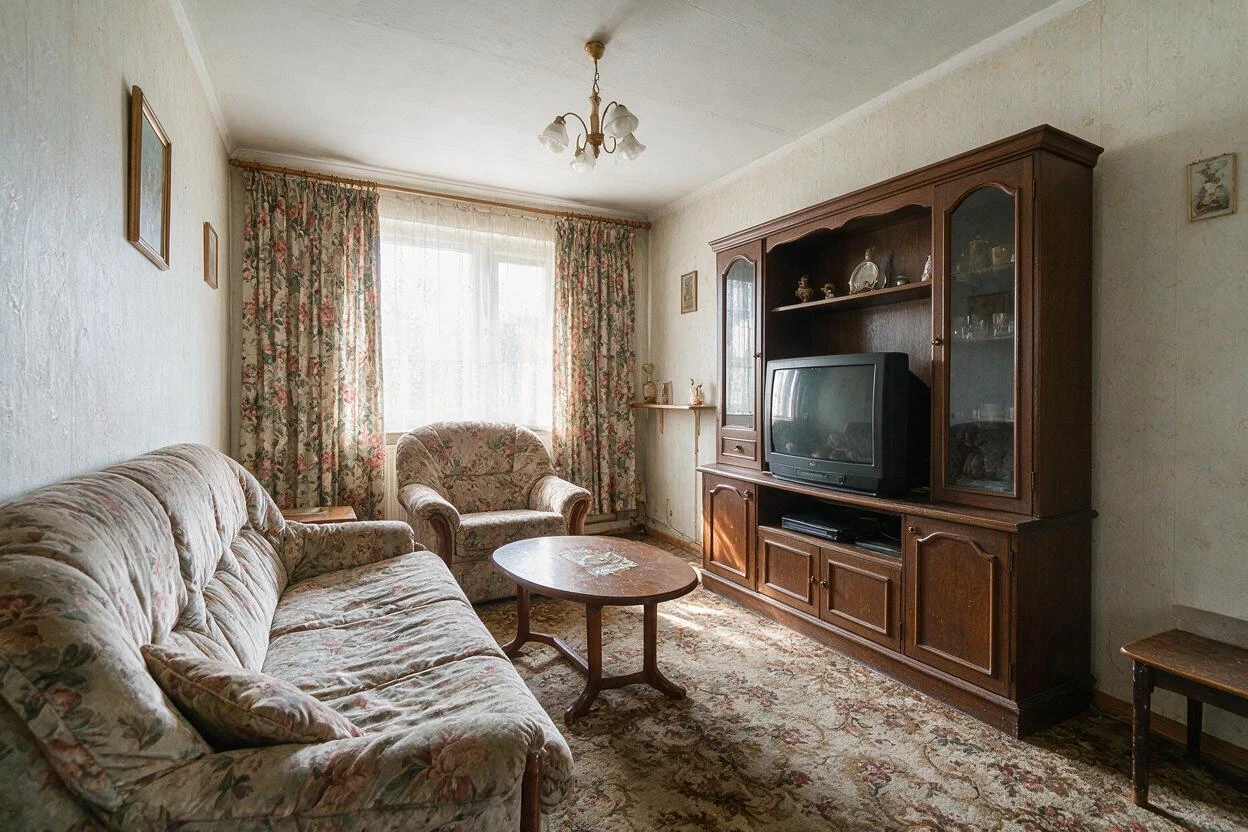
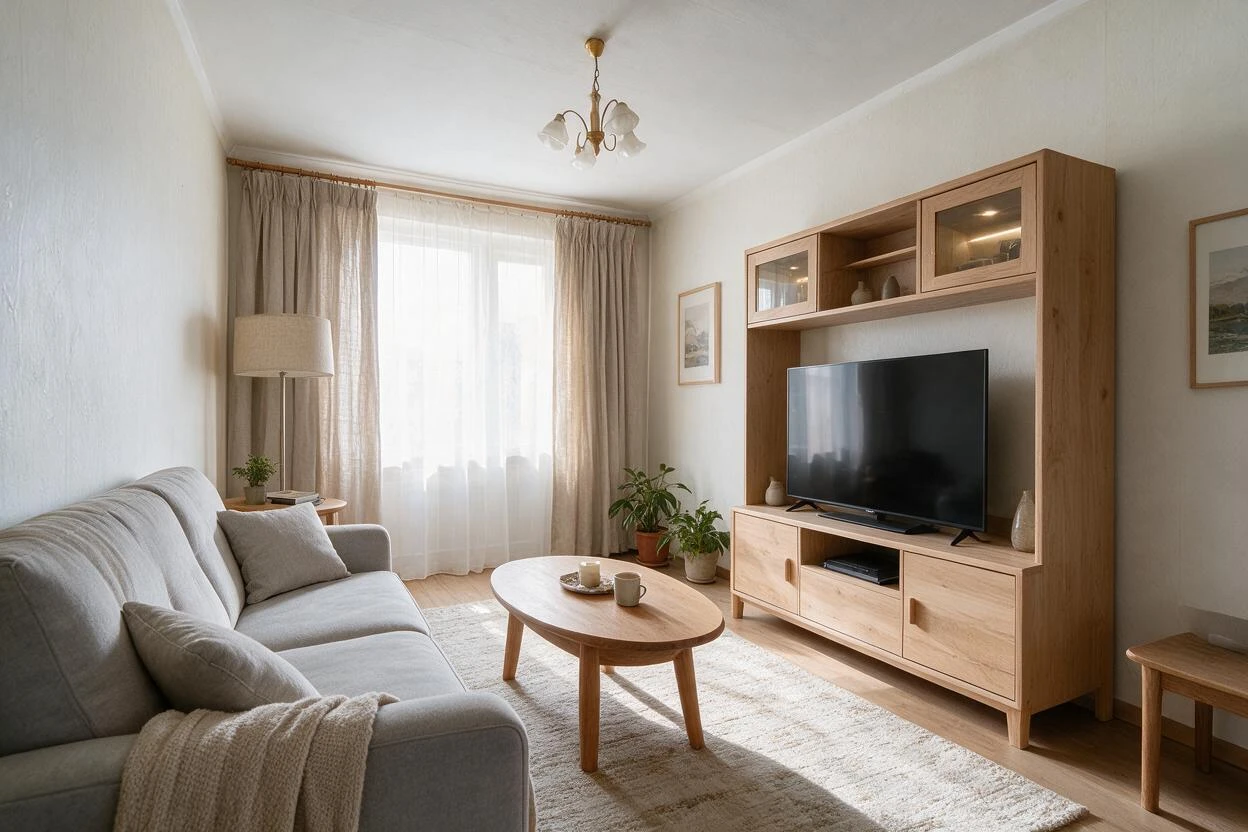
Save 20–30 room images that make you pause — from magazines, listing sites, anywhere. Don't analyze while saving; react. After 20, patterns appear whether you looked for them or not: the same pale woods keep showing up, or the same deep greens, or the same low sofas.
Step 2: read your own patterns
Four axes sort almost every taste. Temperature: warm woods and earth tones, or crisp whites and cool grays? Formality: sculptural, ordered rooms, or soft, slouch-into-it ones? Density: serene negative space, or layered shelves and collected walls? New versus old: clean-lined pieces, or visible history and patina? Your answers on those four axes describe your taste more precisely than any label.
Step 3: find the nearest named style — then steal selectively
Your pattern probably maps to a family: Scandinavian (light, casual, airy), japandi (earthy, ordered, calm), mid-century modern (warm, playful, graphic), modern farmhouse (comfortable, nostalgic), industrial (raw, graphic, urban). Borrow its shopping list, but keep your deviations — the mix is what makes a home yours instead of a catalog page.
Step 4: test in your actual light and floor
A style loved on screen can die in a north-facing room with honey oak floors. Render the candidate direction on photos of your real rooms and live with the images for a few days — this is the step that used to require a designer and now takes minutes.
Skip the identity crisis: upload a room photo and preview your top two style directions free — your floor plan will vote too.
Three questions that shortcut the process
If saving thirty images sounds like homework, interrogate your own home instead. First: what do you already own and love? The chair you'd rescue in a fire, the bowl you reach for daily, the blanket nobody else is allowed to touch — those objects are taste data you paid for already. Note what they share: wood or metal, soft or structured, quiet or patterned. Second: what scene do you picture when you imagine "home"? Barefoot floors and long morning light point one direction; full shelves and a record playing point another. The fantasy is the brief — the style you're circling is the one that produces that scene, not the one with the best name. Third: what will you actually maintain? White bouclé with a toddler and a dog is a costume, not a style; a house that runs on "drop everything and sit" should not choose furniture that demands fussy arrangements. Honest answers here eliminate half the catalog before you've opened it.
Three answers usually triangulate a family. Loved objects plus calm scenes plus low maintenance lands you near Scandinavian or japandi — two directions close enough that the differences matter, as the japandi-vs-Scandinavian comparison shows. Loved objects plus collected scenes plus high tolerance for stuff points to boho, mid-century, or vintage-leaning mixes. There is no quiz with authority here — the questions work because your answers predate them.
FAQ
What design style is most popular right now?
The durable leaders are warm minimalism and its relatives — japandi, Scandinavian, organic modern — because they photograph well, suit most architecture, and tolerate real life. Popularity shifts at the edges year to year, but the center of gravity has held for years: calm, natural materials, edited rooms. Borrowing the nearest popular family is smart for resale and beside the point for your own rooms.
Can you mix design styles in one home?
Yes, with one rule: mix by room or by layer, not by competing pieces inside one sightline. A shared palette and a couple of repeated materials are the glue — the 60-30-10 split applied across connected spaces keeps a mixed home reading as intentional rather than as a store. One style per room, two styles blended room-wide, or one style plus a rebel accent chair: all work. Five styles sharing a wall do not.
Should every room in the house follow the same style?
No — shared palette, not shared personality. Keep the fixed layers (walls, floors, large furniture tones) consistent so rooms flow, then let private rooms drift more personal: a serene living room and a moody, layered study in the same house read as range, not indecision. The consistency buyers and guests register lives in the palette and materials, not in the styling.
Compare
Related questions
Related tool
