
What is Scandinavian style?
By Goodesign AI · Updated 2026-10-16
Scandinavian style is the Nordic design tradition built on function, light, and calm: white and pale neutral walls, blond woods, wool and linen textiles, clean-lined furniture, and almost no clutter. It exists to maximize light and comfort through long winters, which is why it flatters small rooms and north-facing homes so well.
Scandinavian design came out of a practical problem — Nordic homes spend half the year in near-darkness — and turned the solution into one of the most durable looks in home design. Form follows function, but warmth is never sacrificed to it.
Where it came from
The style took shape in the 1930s, when designers and architects like Josef Frank, Alvar Aalto, and Arne Jacobsen began arguing that everyday objects should be beautiful, functional, and affordable at once. What made it international was a touring exhibition: Design in Scandinavia opened at the Brooklyn Museum in 1954 and traveled US and Canadian museums through 1957, per House Beautiful's history of the style, setting off American enthusiasm that never quite ended. The founding problem remains the style's organizing principle — the Nordic year is dark for half its length, so everything in the room is engineered to catch and keep whatever daylight exists.
The recipe
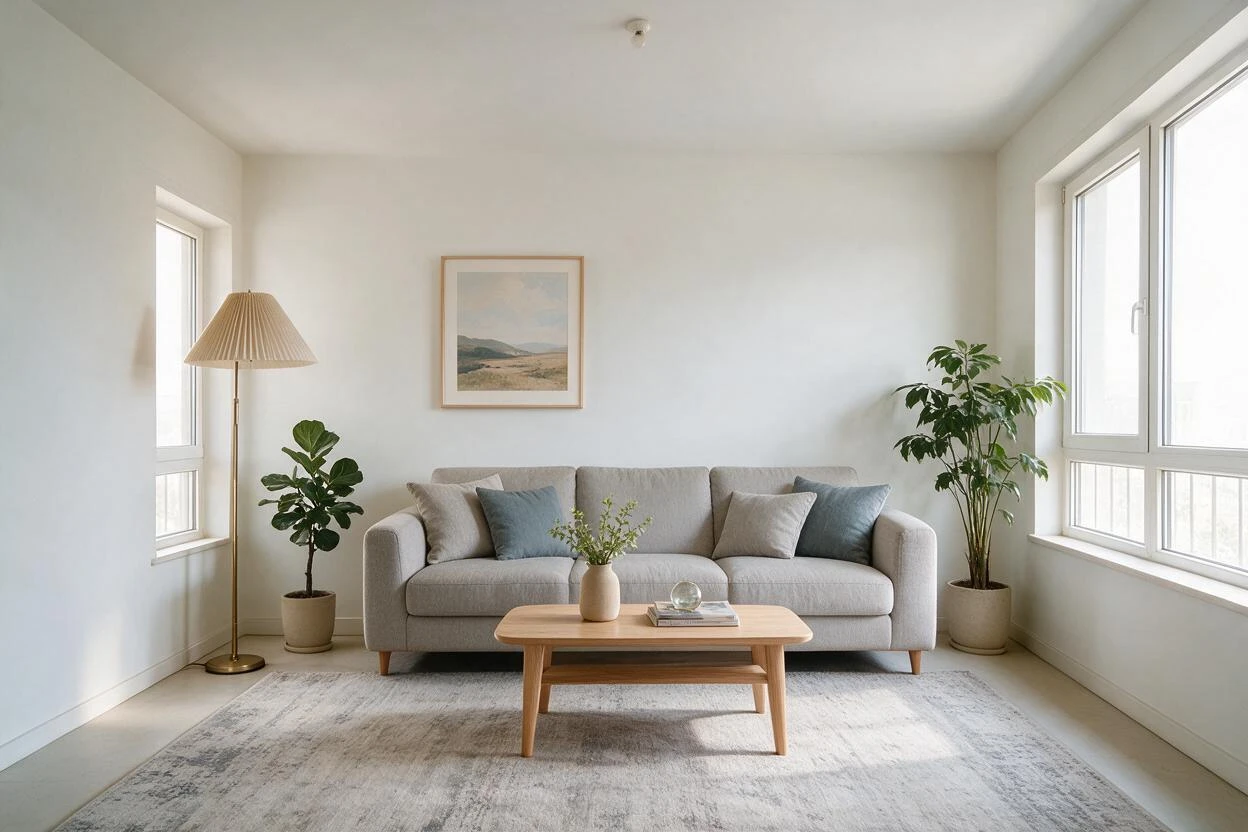
Walls go white or palest neutral, because the style's first job is catching every available lumen. Floors are light woods — pale oak, ash — often left bare or layered with flat-weave rugs. Furniture is honest and clean-lined: light wood frames, tailored upholstery, no ornament. Textiles carry the comfort: chunky wool throws, sheepskins, washed linen in gray, cream, and muted pastels. Greenery is real and sparse — a single large plant beats a shelf of small ones. Everything else is edited away.
The philosophy underneath
Two Nordic ideas explain the look. Lagom — "just the right amount" — governs the editing: enough objects to live well, none extra. Hygge — practiced coziness — governs the textiles and lighting: candle-level warmth, wool within reach, chairs that invite sitting. Without these, the style collapses into an empty white room; with them, it stays livable.
Why it suits certain homes
Small spaces, north-facing rooms, and apartments with limited daylight get the largest lift — the palette is engineered to brighten. It's also the most renter-friendly style to imitate, since most of it lives in textiles and paint rather than renovation.
Common failure modes
Going too stark — pure white walls, no textiles, black accents — produces a showroom, not a home. And skimping on lighting: Scandi rooms depend on multiple warm lamps after dark, not one ceiling fixture.
Why it photographs so well in listing photos
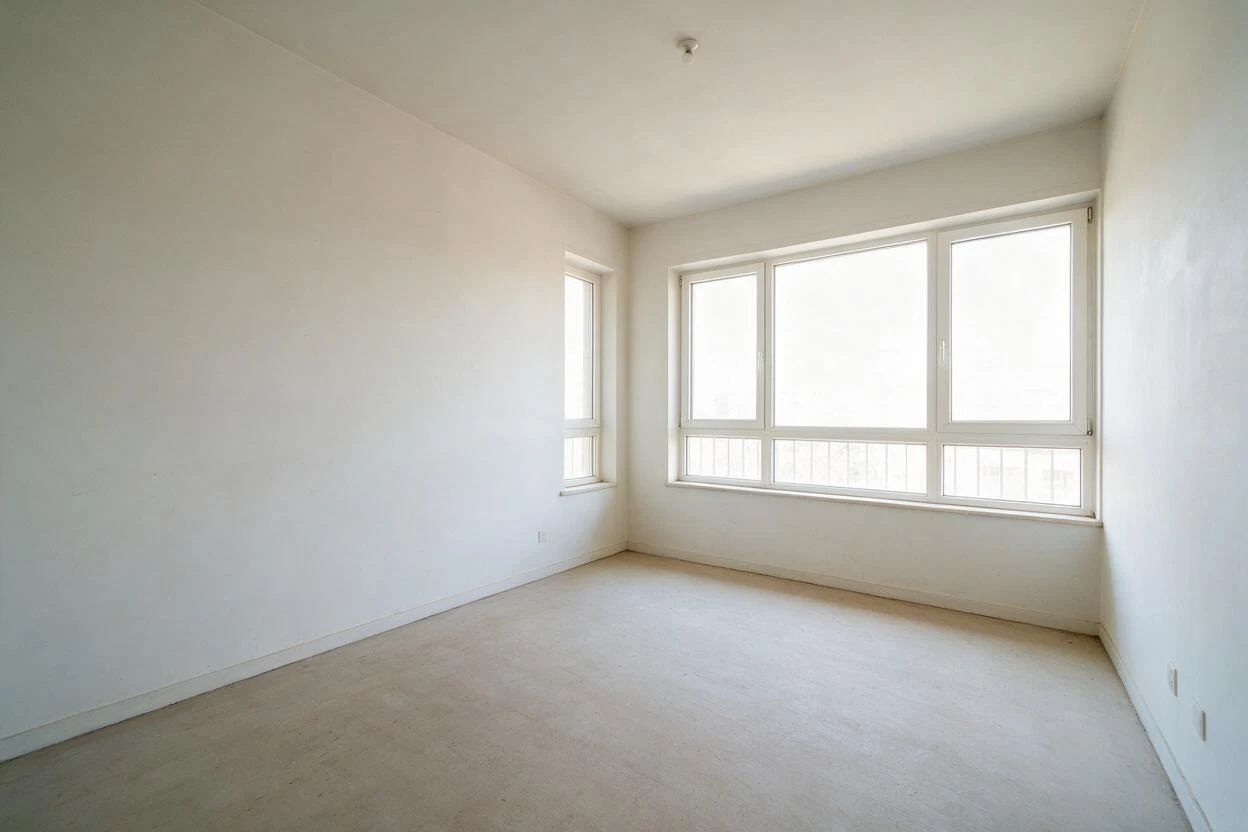
Scandi is the style most calibrated to flatter a camera. White walls and pale floors bounce window light deeper into the room, so photographs come out brighter than the room deserves — the same mechanism behind the colors that make rooms look bigger. Furniture on visible legs leaves floor in the frame, which the eye reads as square footage. And because the look lives in textiles and lamps rather than renovation, a listing can borrow it in an afternoon: throw, sheepskin, two warm lamps — the cheapest photogenic upgrade there is. The failure mode in photos is just the inverse: an underdressed Scandi room doesn't photograph as calm, it photographs as unsold, which is why the textile layer is non-negotiable before a shoot.
The look translates perfectly to previews: render your room Scandi, or upload a photo free and compare it against your current scheme.
Want the full picture — palette, materials, and how the style comes together? See the Scandinavian interior style guide, then preview it on your own photo.
FAQ
What is hygge, exactly?
Hygge is the Danish practice of coziness — candlelight, wool within reach, small comforts taken seriously. House Beautiful stresses that it's a state of mind rather than a design style: decor can invite it, but a hygge room without people in it is just furniture. In practice it means the textiles and lamps aren't decoration — they're the heating system.
What's the difference between Scandinavian and Japandi?
Japandi keeps Scandi's function and natural materials but goes darker and earthier — walnut over oak, moss and charcoal over pastel, more symmetry, less white. If Scandinavian style maximizes light, Japandi maximizes calm. The full comparison lives in Japandi vs Scandinavian.
What colors are Scandinavian style?
White or near-white walls as the base, pale oak or ash floors, and textiles in gray, cream, and muted pastels; House Beautiful's primer adds earthier accents — dark blues, greens, browns — as the style's contemporary evolution. The constant: color lives in textiles and objects, never on all four walls. Paint is reserved for catching light.
Compare
Related questions
Related tool
