
Japandi vs Scandinavian: what's the difference?
By Goodesign AI · Updated 2026-10-16
They share a minimalist skeleton, but Scandinavian style runs light, airy, and cozy — pale woods, white walls, soft pastels — while Japandi goes darker, earthier, and more formal: walnut and black accents, clay and moss tones, low horizontal furniture, and deliberate asymmetry. Choose Scandi for brightness and ease; choose Japandi for depth and calm.
Japandi and Scandinavian design are close relatives — the former is literally the child of Scandi and Japanese aesthetics — which is why the two get confused at first glance. The differences show up in five concrete places.
Palette
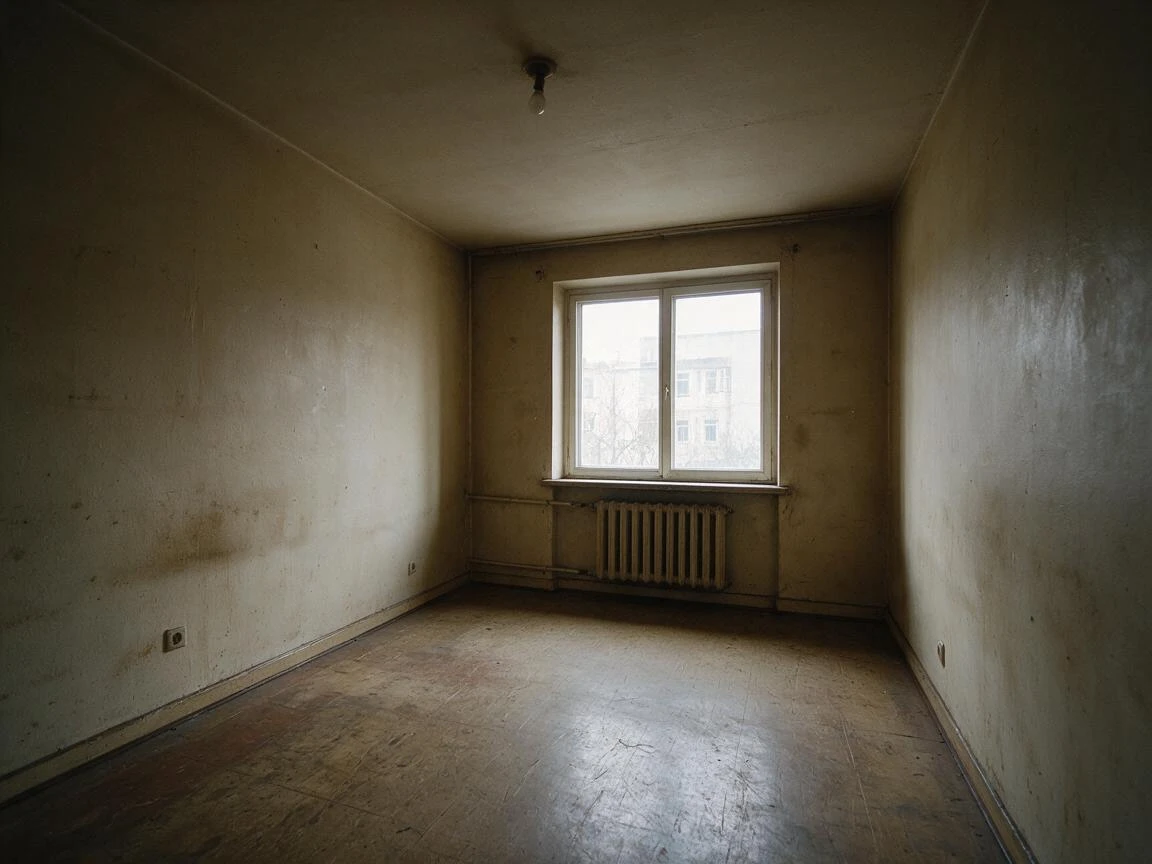
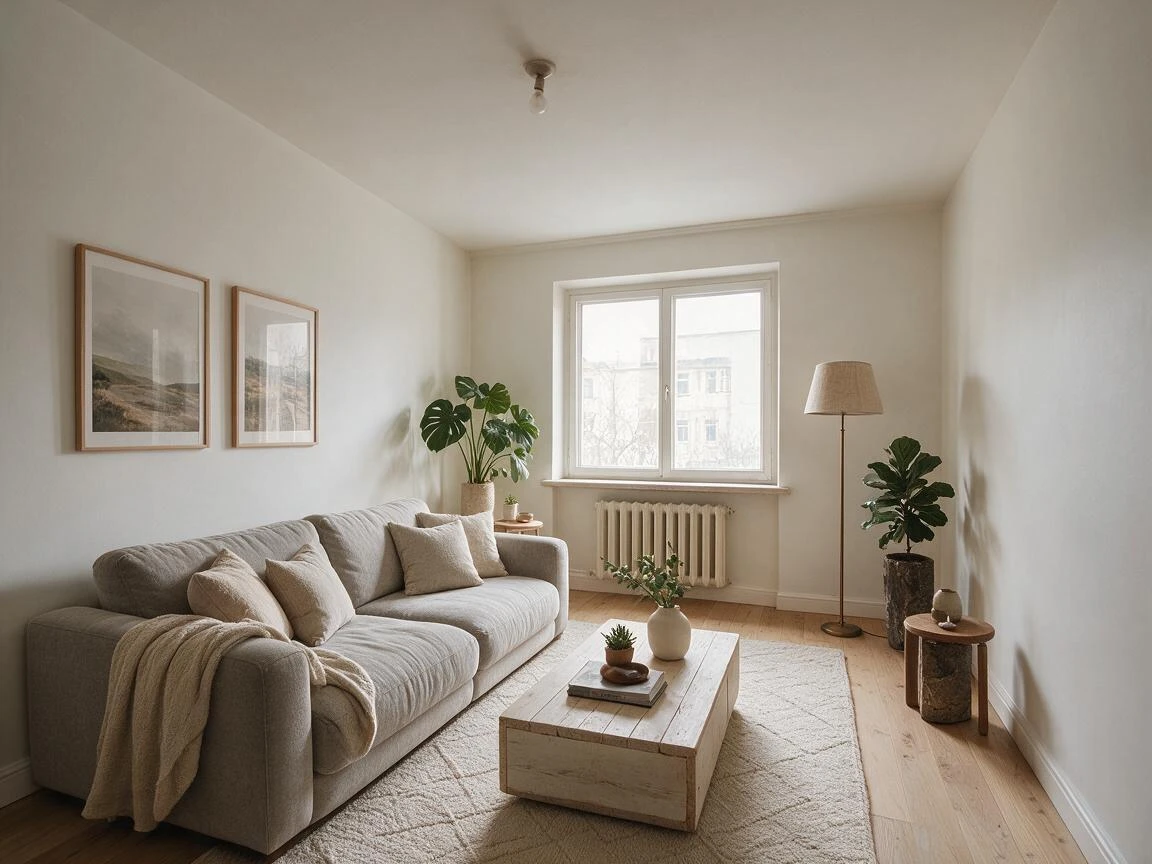
Scandinavian builds on white and palest neutrals, lifted by soft pastels and gray. The hybrid replaces the whites with earth: clay, sand, moss, charcoal, terracotta. Put the two rooms side by side and the Scandi one glows; the Japandi one grounds.
Wood tone
The clearest single tell. Scandi furniture is blond — pale oak, ash, beech. the hybrid leans dark — walnut, smoked oak, blackened frames — often pairing two deep tones in one room. Same clean lines, entirely different temperature.
Form and posture
Scandinavian furniture is casual and comfortable-first: deep sofas you sink into, rounded edges, nothing too precious. Japandi inherits Japanese formality: lower silhouettes, floor-level seating, straighter backs, more symmetry, furniture that holds a posture. Japandi rooms photograph more sculptural; Scandi rooms photograph more huggable.
Light and texture
Scandi maximizes daylight — sheer or absent window treatments, mirrors, glossy-free but bright surfaces. The Japanese-influenced half diffuses it: paper lanterns, shoji-inspired panels, slatted screens throwing shadows. Both are warm after dark, but Scandi with candles and wool, Japandi with paper and stone.
Which to choose
Small, north-facing, or low-ceilinged rooms gain the most from Scandi — the palette is a daylight amplifier. Larger rooms, warm-floored homes, and anyone who finds white walls restless tend to prefer Japandi's depth. They also blend legally: Japandi began as a blend, and the dark-wood-plus-textile middle ground is a style of its own.
A side-by-side spec table
| Spec | Scandinavian | Japandi |
|---|---|---|
| Origins | Nordic functionalism plus hygge — built for long winters and scarce daylight | Japanese wabi-sabi softened by Scandinavian hygge; the name surfaced around 2016 (Wikipedia) |
| Palette | White and palest neutrals, soft pastels, cool grays | Earth tones: clay, sand, moss, charcoal, terracotta |
| Materials | Pale oak, ash, beech; wool, sheepskin, cotton | Walnut and smoked oak; paper, linen, rattan, ceramic, stone |
| Sheen | Bright, light-bouncing matte-to-eggshell surfaces | Fully matte and tactile — nothing glossy, ever |
| Furniture posture | Deep, soft, sink-in comfort | Low, horizontal, formal; floor-level seating |
| Suits | Small, north-facing, or low-ceilinged rooms and dark listings that need light | Larger rooms, warm wood floors, and anyone tired of white walls |
Read the table by rows rather than columns: the two styles agree on function, natural materials, and uncluttered floors — the skeleton is the same — and disagree only on temperature and posture. That's also why the choice is reversible room by room: a Scandi living room and a Japandi bedroom don't clash, because one is the parent of the other and they share the same grammar of wood, light, and restraint. Architectural Digest calls the hybrid the "East-meets-West" movement for exactly this reason — close cousins reading from the same book in different accents. If you want either style at full depth, the Japandi style guide and the Japandi explainer cover palettes and materials in detail.
Which one photographs better
Depends on what the room needs to fix. Scandi is a daylight amplifier — pale woods, white walls, and pastel textiles lift dark, small, or north-facing rooms in photos, which is why it stays the safe staging direction for compact listings. Japandi photographs more sculptural: low furniture and earth tones give large or warm-floored rooms a considered, editorial look, and matte surfaces survive harsh phone-camera light without glare. Both beat clutter, and both can be previewed on a real photo of the room before a single cushion is bought. When a listing has one dark room and one large one, render each in its stronger style rather than forcing the whole house into one direction.
See both in your actual room: upload a photo, render the space in each direction, and compare side by side — free.
FAQ
What is the difference between Japandi and Scandinavian style?
Scandinavian runs light, airy, and cozy — white walls, pale blond woods, soft pastels. Japandi goes darker and earthier: walnut, clay and moss tones, lower furniture, more symmetry. Same minimalist skeleton, different temperature. The spec table above compresses it to five checks; the palette and wood tone rows are the fastest tells.
Is Japandi still popular?
Yes — the term went mainstream in the early 2020s and the style still shows up in current design coverage as a going concern, not a retrospective. It's best understood as a child of Scandinavian rather than a rival, which is why the two stay easy to confuse — and why borrowing one from the other rarely reads as a mismatch.
Can you mix Japandi and Scandinavian?
That's roughly what Japandi already is. The practical blend is dark wood plus textiles — Japandi's depth with Scandi's softness — and it reads as a style of its own rather than a compromise between two. Keep the walls and woods consistent across rooms and let the textiles and ceramics carry the difference.
Which is better for a small room?
Scandinavian. Its pale palette amplifies daylight and visually expands a compact or north-facing room. Japandi's depth pays off in larger spaces that can carry it without shrinking — put the two in the same small room and the Scandi version will always photograph brighter.
Which style costs more to furnish?
Japandi usually does, because it leans on solid walnut, stoneware and hand-thrown ceramics that carry a visible price. Scandinavian can be done with pale ash, wool and high-street basics. Both reward fewer, better pieces — and both look worse with five cheap accessories than with one considered object.
Can I preview either style on my own room?
Yes. Upload one photo, pick a style, and the room is rendered in it in about 15–30 seconds, with walls and windows kept exactly as photographed. Goodesign includes five full-quality designs free, so comparing Japandi against Scandinavian on your own space costs nothing.
Which works better in a rental I cannot repaint?
Scandinavian, if the walls are already white — that is half the look and it amplifies daylight. Japandi wants warm greige, so in a white rental borrow its depth from walnut and clay accents instead of paint, and keep the big surfaces neutral.
Compare
Related questions
Related tool
