
What is industrial interior style?
By Goodesign AI · Updated 2026-10-16
Factory bones, warm blood: brick, concrete, steel, and visible ductwork treated as decoration, then softened with leather, aged wood, and low light so the room reads intentional rather than accidental. It suits households that want character which survives real life — dark, textured surfaces shrug off the scuffs that ruin a pristine white wall. Budget angle: the look is cheaper to borrow than to build, since peel-and-stick brick, matte-black fixtures, and metal-frame lighting carry most of the effect without opening a single wall.
Industrial style borrows the vocabulary of factories and warehouses — exposed brick, raw concrete, visible ducts and pipes, blackened steel, big metal-framed windows — and turns it into domestic comfort. The palette runs grey, black, rust, and warm brown, and the furniture leans leather, distressed wood, and matte metal. Done well it feels raw but deliberate; done badly it feels like the renovation budget ran out.
Where it came from
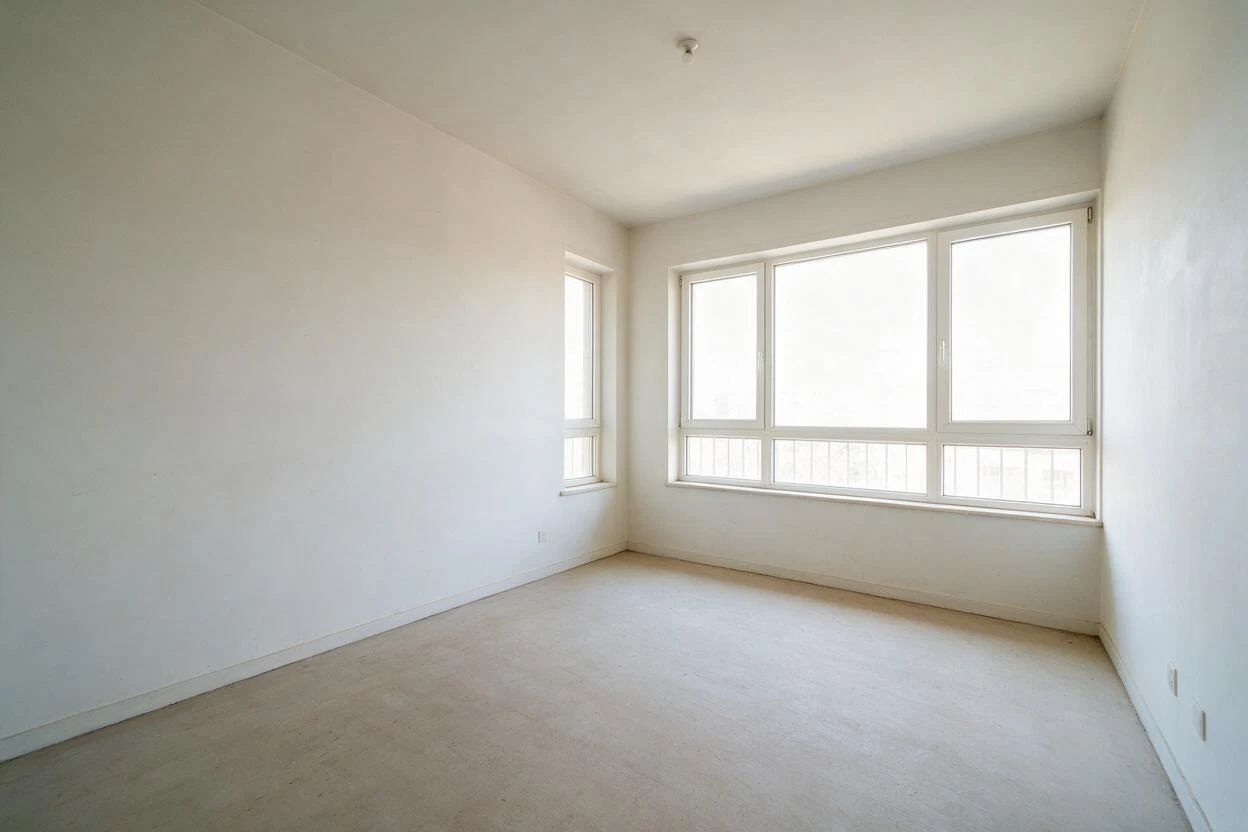
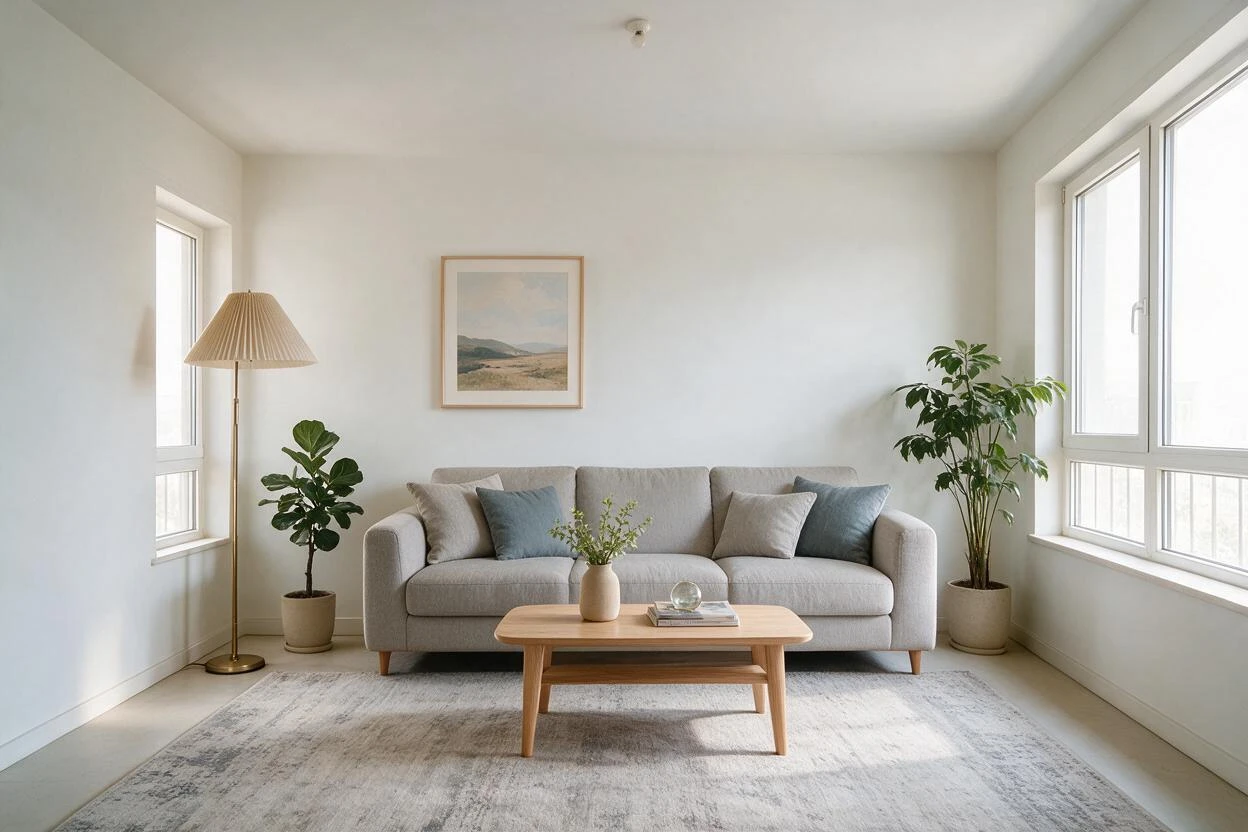
The style began as an accident of real estate: old factories and industrial spaces were converted into lofts and places to live, and instead of hiding the buildings' working parts, early residents left them exposed. Per Wikipedia's entry on industrial style, the look grew out of those conversions and spread into a deliberate trend in the second half of the twentieth century, still clustering in urban areas. What started as a budget constraint became a taste: weathered wood, exposed brick, and concrete read as honest rather than unfinished. The vocabulary has since moved into buildings that never housed a machine.
The bones
High ceilings, open plans, and honest structure are the style's natural habitat. Where a loft doesn't exist, the style gets suggested instead: brick slips on one wall, a polished concrete-look floor, piping repurposed as lamp stands and shelving brackets.
Warmth is the difference between styled and sterile
Grey and steel alone read as a parking garage. The style's warmth comes from aged leather, wool throws, Edison-bulb glow, and wood with visible grain — each industrial space needs roughly a third of its surfaces in something soft or warm-toned to be livable.
The furniture rules
Low, sturdy, and functional: wide slat-wood tables, metal-frame chairs, cabinets that look like workshop storage. Ornament is minimal; the structure itself is the decoration, which is why exposed brick does the work a gallery wall would.
Who it suits
People who like their spaces to look used and honest rather than polished, and anyone with existing brick, concrete, or pipes worth celebrating instead of hiding.
Why it stages so well in listing photos
Industrial reframes the best raw material a listing can have: flaws. Exposed brick, ceiling pipes, and concrete floors photographed in a finished, furnished context read as character; the same features photographed in an empty room read as a renovation someone abandoned. Staging — virtual or physical — is what converts "not finished yet" into "meant to be this way." The style also earns its keep on pure texture: brick and distressed wood give a lens the grain and shadow depth flat drywall can't, and how wall surfaces read on camera matters as much as what the wall is. Warm props — aged leather, wool, wood tones — keep the frame from going cold. And because nothing in the style is spindly, the furniture holds its weight and shadow structure even at listing-thumbnail size.
See your room translated: upload a photo and restage it with industrial-style furniture — the brick-and-leather direction reads instantly against your real walls.
Want the full picture — palette, materials, and how the style comes together? See the Industrial interior style guide, then preview it on your own photo.
FAQ
Is industrial style still popular?
Yes, though softer than its Edison-bulb heyday. The all-black-leather loft look has mellowed into industrial-adjacent rooms: one brick wall, steel-framed windows, warmer woods, softer upholstery. The appeal underneath — honest materials, structure as decoration — tracks the same appetite that keeps mid-century modern in permanent rotation; both styles treat structure as the ornament.
What colors are industrial style?
Gray, black, rust, and warm brown — essentially the materials' own colors. Wikipedia describes the palette as naturally gray and neutral with rustic tones, kept open so furniture adds the life. The working ratio is roughly two-thirds gray and black surfaces to one-third warm wood and leather; invert that and the room stops being industrial and starts being a parking garage.
Can you get industrial style without exposed brick?
Yes — the style is more suggestion than demolition. Brick slips on a single wall, a polished concrete-look floor, pipe-style lamps and shelving, blackened steel frames, and slat-wood and leather furniture together read industrial in an ordinary plastered room. Celebrate the honest surface you have and imply the ones you don't.
Compare
Related questions
Related tool
