
Which wall texture types suit a modern home?
By Goodesign AI · Updated 2026-10-16
For most modern homes, smooth walls, subtle skip-trowel, or a fine limewash are the safe, current choices; heavy orange-peel and popcorn read dated. Texture adds most on a single feature surface rather than every wall in the house.
Texture is the layer of a wall most people never consciously notice and always react to. Choosing it well is mostly about matching the house's age and keeping the heavy-handed versions out.
Smooth (level 5 finish)
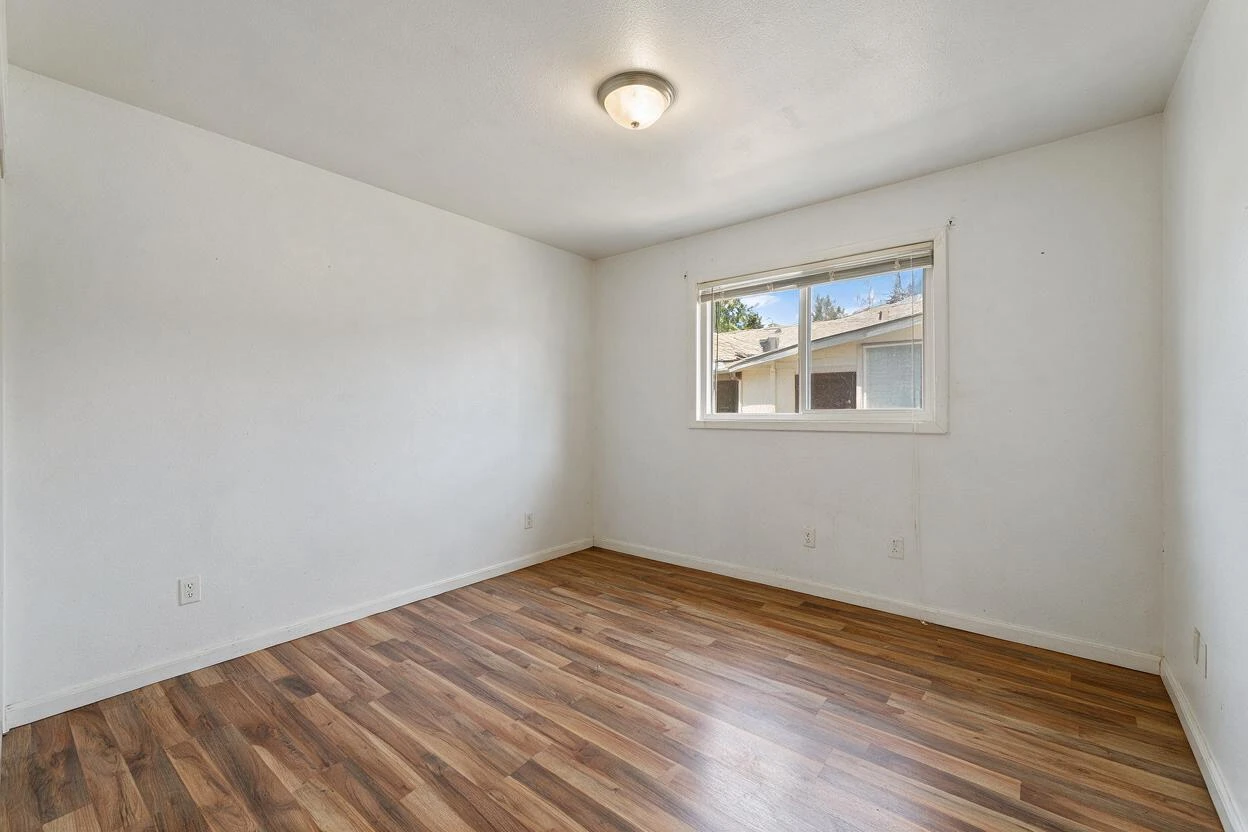
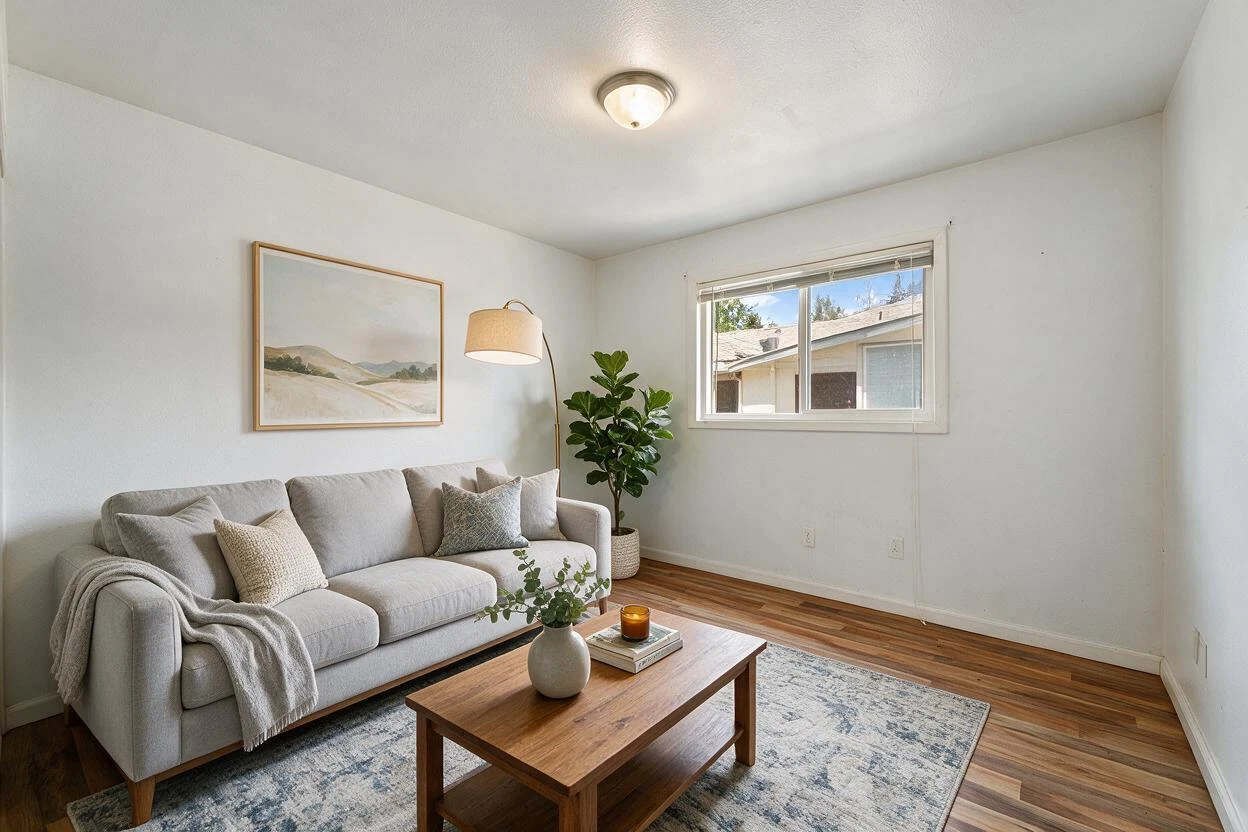
The modern default. Flat walls let light travel, make color read true, and photograph cleanly — which matters more than ever when listings live on phones. The catch: smooth walls show every flaw, so they demand careful prep, and they cost more to achieve on old plaster. Right for living spaces in contemporary homes and any room you plan to restyle or repaint often.
Skip-trowel and knockdown (light)
A hand-troweled, softly irregular surface that hides imperfections and adds a plastered, Mediterranean-adjacent warmth at low cost. Applied thinly it reads as texture with the light off and character with the light on. The most forgiving choice for older homes whose walls won't take a level-5 finish.
Limewash and mineral paints
The current favorite of design magazines: a cloudy, depthful surface that moves with light through the day. Genuinely beautiful in entryways and dining rooms, and priced accordingly. Best deployed on one or two feature walls, not a whole house.
The dated end
Orange-peel spray texture and, above all, popcorn ceilings mark a house instantly as a product of another decade — and they record terribly in photos, turning every wall into a grainy gray field. Removing popcorn ceilings is one of the highest-return pre-listing jobs; skim-coating over them usually beats scraping.
What texture costs
Texture is priced by the square foot, and the spread between finishes is smaller than people expect — the real cost lever is prep. Orange peel runs roughly $1.25 to $1.95 per square foot installed, with knockdown a step above because the texture gets sprayed and then flattened with a drywall knife in a second pass — the kind of labor that pushes it past $2 per square foot, per Angi's cost comparison. For ceilings, The Spruce's texture guide pegs professional installation at an average of $840 for 500 square feet, with typical projects landing between $500 and $1,250. Two caveats bend those numbers: repairs cost more than fresh work, because matching an existing texture by hand is slow, and skip-trowel is priced like craft rather than spray work, since it's applied by hand one movement at a time. The economics invert at the smooth end: a level-5 finish costs more than any texture, because you're paying for the skim-coating labor that texture lets you skip. That's the whole trade in one line — texture hides prep debt; smooth prepays it.
Escaping heavy texture
If a house has orange peel or popcorn where you want smooth, there are three doors, in rising order of mess. Skim-coating over the texture — a thin layer of joint compound that fills the pattern and takes paint flat — is usually the practical answer, especially for ceilings, because it avoids the scraping project entirely. Scraping works and costs less in materials, but it turns a room into a plastic-sheeted zone for days. The third door is the pragmatic one: install new drywall over the old surface, which makes sense only when the ceiling needs other work anyway. The non-negotiable step comes before any of them: texture applied before the mid-1980s may contain asbestos, and the EPA's guidance is to test before disturbing it. A lab test costs tens of dollars; the mistake costs a remediation invoice.
One rule of thumb
Match the house: period plaster suits subtle texture, new construction suits smooth, and anything heavy belongs outdoors. When in doubt, smoother photographs better.
Compare texture directions on your own walls: restyle surfaces on an uploaded photo, or start with a free render and see how each finish catches your actual light.
FAQ
What is the most popular wall texture?
Knockdown is the workhorse — The Spruce's texture guide calls it the most popular ceiling texture, and its flattened-spatter look is a default across much of the country. In newer builds, finer orange peel is often preferred for reading more current, which tracks with smooth walls being the modern default indoors.
Can you paint over orange peel texture?
Yes — orange peel and knockdown take paint normally, and the texture even helps hide the roller marks a flat wall would show. But paint sits on top of texture rather than removing it: a heavy texture painted white is still a heavy texture, just brighter. Spraying a finer coat over existing texture is a repair, not a reset.
Is removing a popcorn ceiling worth it?
Usually, if the rest of the house is updated — popcorn dates the interior instantly and photographs as grainy gray in listings. Skim-coating over it is typically less disruptive than scraping, and ceilings installed before the mid-1980s should be tested for asbestos before any of it is disturbed. If the budget can't stretch to either, a fresh coat of flat white over clean popcorn is the modest middle path.
How much does it cost to texture a room?
Roughly $1.25–$1.95 per square foot for orange peel and somewhat more for knockdown, per Angi's pricing; ceiling projects commonly land between $500 and $1,250 total. Smooth costs more than texture, not less — the prep it demands is the expensive part. If the texture stays and only the color changes, the paint finish you choose matters as much as the shade.
Compare
Related questions
Related tool
