
Do accent walls still work (and how do you do one well)?
By Goodesign AI · Updated 2026-10-16
Yes — accent walls still work, but as a deliberate tool: one natural focal wall, one deeper color, and a clear reason the eye should land there. They work when the wall is the room's natural focal point (fireplace, bed head, TV wall), the color is two or three steps deeper than the other walls, and the room gets one accent, not three.
Accent walls went out of fashion because most of them were done badly, not because the idea expired. A wall of color is still the cheapest structural-feeling change a room can get. The difference between a good one and a dated one is four decisions.
Pick the wall that already leads
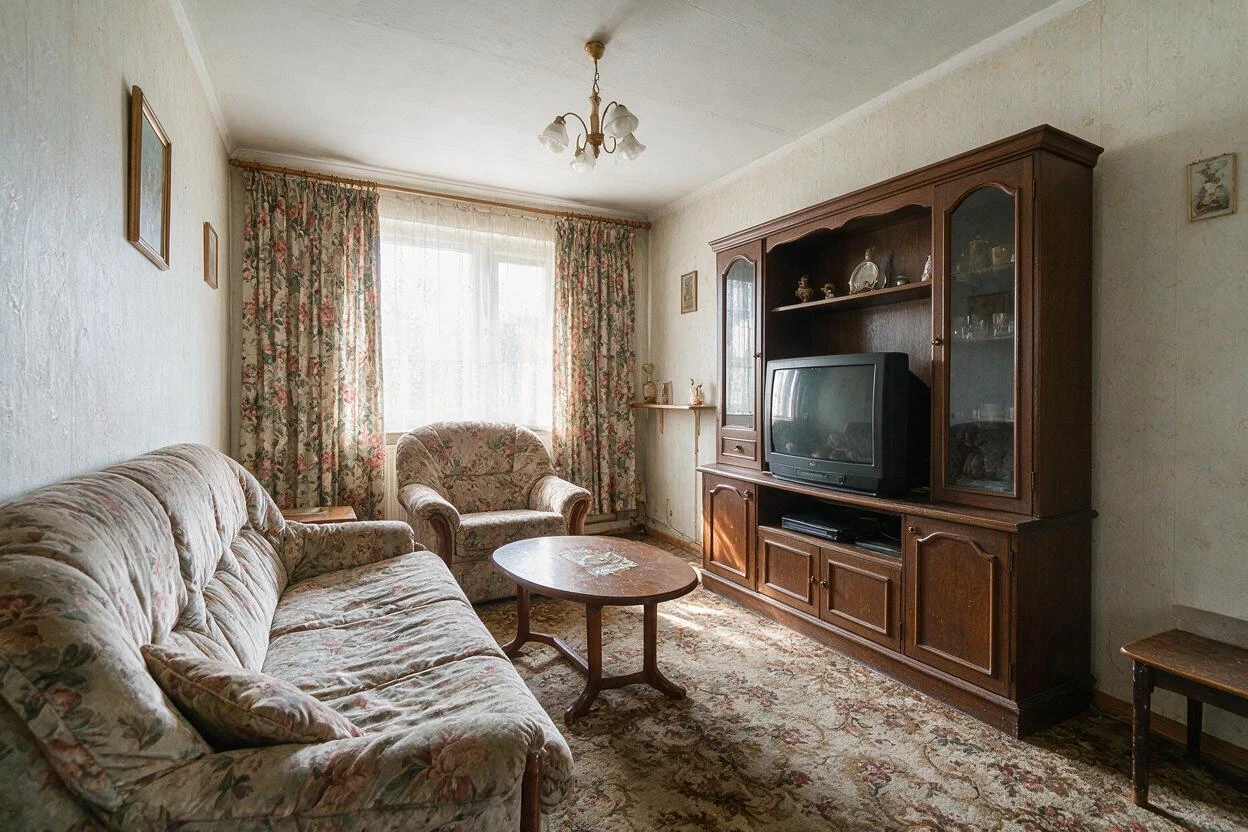
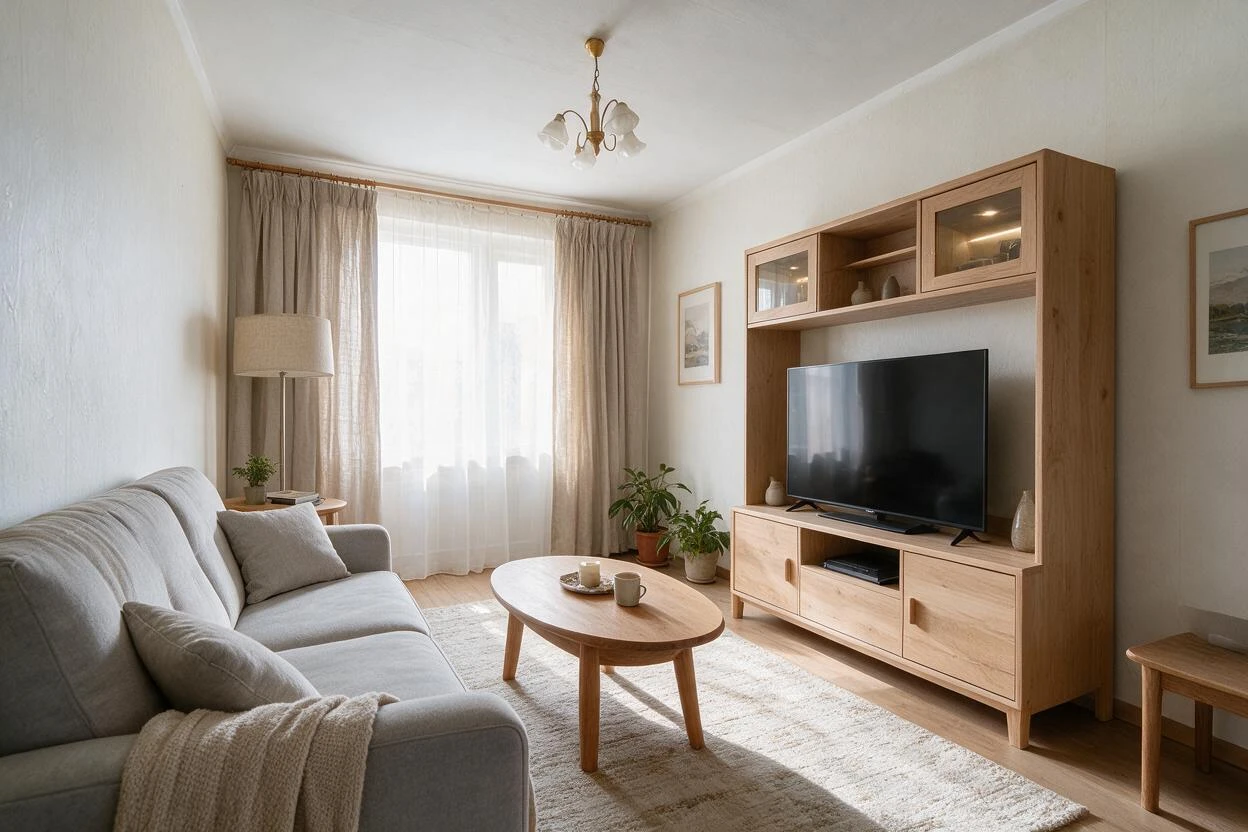
An accent belongs to the surface your eye lands on anyway: behind the fireplace, the headboard wall, the alcove with the shelving. Painting a random side wall competes with the room's natural focus and produces the restless, why-is-that-wall-blue feeling. If no wall leads, the room doesn't need an accent — it needs better furniture placement.
Go two or three steps deeper, not twelve
A charcoal-green wall in a room of warm whites reads intentional. A fire-engine red wall in a greige room reads like a dare. Take your base color and deepen or warm it two to three shades, or pull a muted tone already present in art, rug, or upholstery. Deep colors hide imperfections; bright ones broadcast them.
One accent per room. Not one per wall
The moment a second wall joins, the device collapses and you've simply painted a room. Related spaces — an open-plan living and dining area — can share one accent across a corner, but that's the ceiling of the technique.
Mind the light
North light deepens already-dark colors toward gloom; test the accent shade at dusk, when lamps are on, because that's when the room will actually be used. South-facing rooms carry deep color easily.
Color drenching vs the single accent wall
The trend data has moved, and it moved in one direction. Zillow's 2026 home trend report found mentions of "color drenching" — one hue wrapping a room's walls, trim, and sometimes the ceiling — up 149% year over year across listing descriptions (Zillow). Note what that measures: sellers and their stagers describing the look more often — a shift in styling supply, not a poll of buyer hearts. The same year, Zillow's roundup of features that date a home put single-color accent walls at the top of the list, and prescribed drenching as the fix (Zillow). Read together, the styling advice has flipped from one wall to the whole room. Drenching earns it in some rooms: it erases the visual chop of trim lines, stops a low ceiling from announcing itself, and flatters a period home's millwork. It's also unforgiving — more surface in one hue multiplies the light problems above, and it costs more paint and more conviction than an accent ever will. The accent wall isn't dead; it's been demoted from trend to tool, which is where it works best. The practical reading: a single deep accent stays the right answer when budget, light, or nerve are limited, and drenching is the upgrade when a room deserves the full commitment.
The listing-photo test
In a gallery, an accent wall has one job: make the room memorable at thumbnail size without making it look like a 2014 flip. The safe listing play is the one this guide keeps recommending — a deepened version of the base color on the wall that already leads — because it reads intentional even to buyers who've never thought about design. A high-contrast accent is a coin flip in photos: some buyers screenshot it, some swipe past it. And when the house goes to market, remember the rooms around it — one accent makes sense only inside a palette that flows (color flow between rooms). Render both directions — accent and plain — and compare them at thumbnail size, not full screen. The thumbnail is where the decision actually gets made.
Cheap to try before committing
Because it's one wall, an accent is the ideal paint candidate for previewing: render the accent wall on a photo of your room, compare three depths side by side, and only then buy the gallon — start free.
FAQ
Are accent walls out of style in 2026?
The single-color accent wall landed at the top of Zillow's 2026 list of features that date a home, while mentions of color drenching in listing descriptions grew 149% year over year. As a tool, though, an accent wall still works — when it marks the room's real focal point and deepens, rather than fights, the base palette.
What is color drenching?
Painting a room's walls, trim, and often the ceiling in a single hue so the surfaces read as one enveloping color. Zillow's 2026 trend report recorded a 149% year-over-year rise in mentions across listing descriptions, which is why it keeps being prescribed as the accent wall's successor. It suits rooms with good millwork or awkward trim lines, where wrapping everything in one color turns the architecture into a feature.
Which wall should be the accent wall?
The one your eye already lands on: behind the fireplace, the headboard wall, the shelved alcove. If no wall leads, the room doesn't want an accent — it wants a better focal point. Test it by standing in the doorway: whatever you look at first is the wall.
Do dark accent walls make a room look smaller?
They make a wall feel closer, which in a long or narrow room often reads as depth rather than shrinkage — a deep far wall shortens the room on paper but adds the drama that makes the space feel finished instead of small.
Compare
Related questions
Related tool
