
What does low-VOC paint mean?
By Goodesign AI · Updated 2026-10-16
VOCs are volatile organic compounds — solvents that evaporate from wet paint and linger in indoor air, sometimes for months. Low-VOC paint keeps those solvents below a certified threshold (typically under 50 g/L), which means less smell, fewer headaches while painting, and better air quality in the finished room.
VOCs — volatile organic compounds — are solvents that evaporate from wet paint and keep releasing into indoor air long after the wall looks dry, sometimes for months. They are why fresh paint smells the way it does, and the reason painters open windows: short-term exposure causes headaches, dizziness, and irritated eyes, while some VOCs are linked to longer-term health concerns. Low-VOC paint formulates those solvents out or down to a certified threshold — commonly under 50 grams per litre — trading them for water-based chemistry.
The thresholds, in numbers
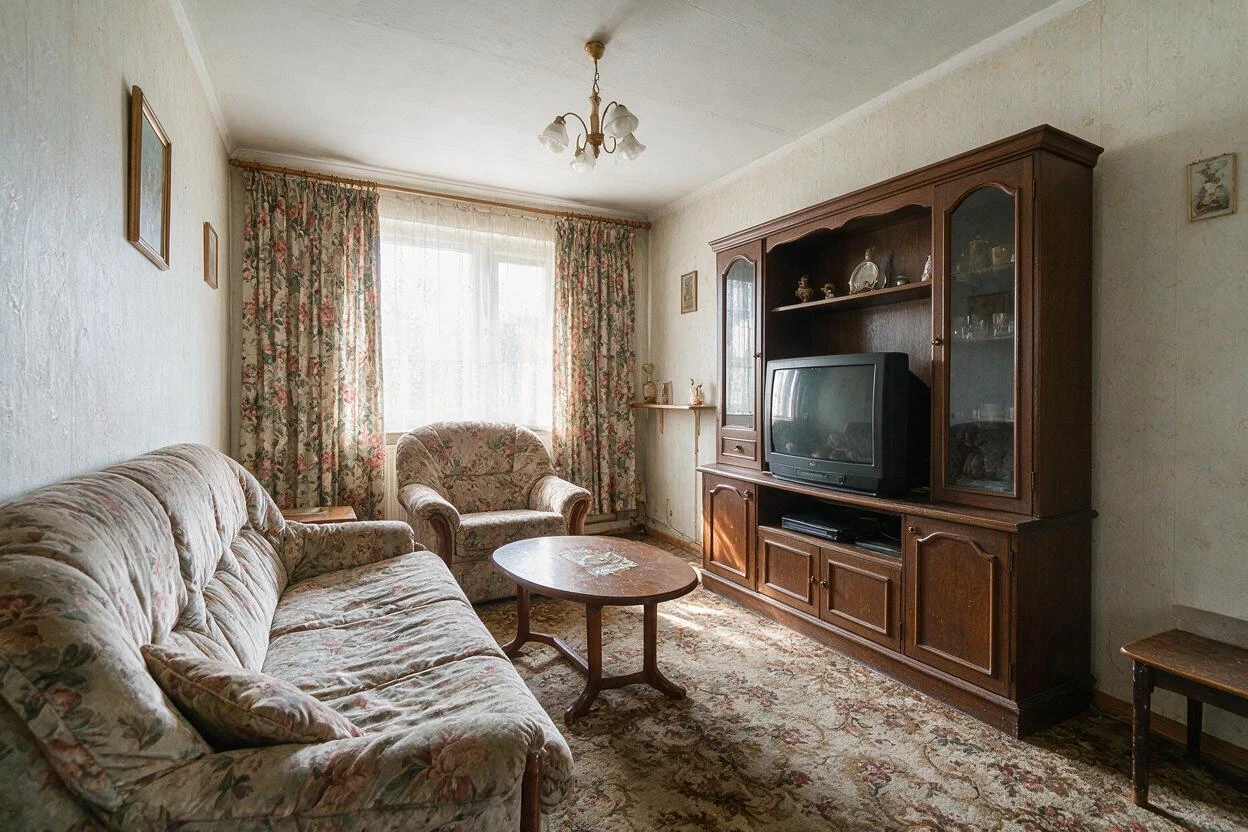
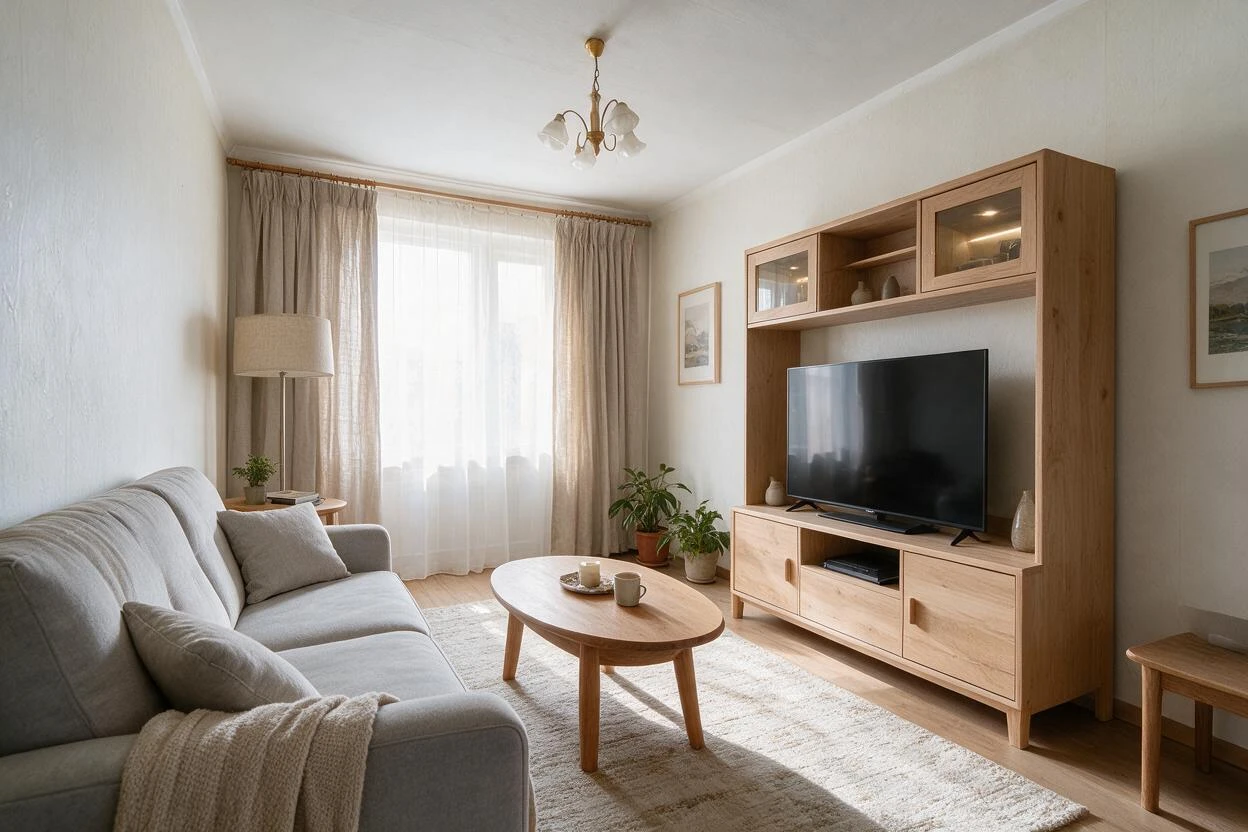
The numbers on cans come from voluntary standards, not US law — and the gap between the two is worth knowing. Certification schemes and low-emission programs treat flat (matte) paints as low-VOC below 50 grams per litre and nonflat paints — satin, semi-gloss — below 100, with Green Seal's guide putting zero-VOC under 5. The federal ceiling sits far higher: the EPA's national rule for architectural coatings, codified in 40 CFR Part 59, caps flat paints at 250 g/L and nonflat at 380. Read those two lines together and the practical picture snaps into focus: a paint can legally call itself compliant while carrying five times the VOC content of a certified low-VOC product. "Low-VOC" is a claim the buyer has to verify, not a default.
What changes with low-VOC
Far less odor (a room is usable the same evening), safer painting with kids or pets in the house, and no months-long off-gassing in bedrooms. What doesn't change: coverage and durability on modern formulas are equal to conventional paint — the "low-VOC doesn't last" reputation comes from early water-based formulas a decade old. The water-based chemistry took over the whole market for interior walls, which is why the worst offender today isn't wall paint at all but specialty products — oil-based enamels, some primers, solvents — where old chemistry survives.
Reading the labels honestly
"Low-VOC" and "zero-VOC" refer to the base paint, not necessarily the colorant: dark tints added at the counter can carry VOCs back in. Green Seal is explicit that label figures exclude the colorant, and restricts certified products so colorants can't push the final mix more than 50 grams past the category limit. Ask for zero-VOC colorant lines when tinting deep colors — the deeper the tint, the more colorant goes in, and the more the number on the can understates what evaporates in your hallway. Look for third-party certification rather than marketing words — the certificates test the actual formula.
Where it matters most
Bedrooms and children's rooms first — the rooms with longest, closest exposure. Kitchens and baths need a durable finish regardless; modern low-VOC lines cover both requirements, since finish choice per room and VOC content are independent decisions. A nursery wants both: a scrubbable sheen and a certified-low base.
The ventilation asterisk
Low-VOC is not no-VOC. Even certified products release something while curing, and full cure takes weeks, not the hours until the smell fades. The old advice survives the new chemistry: ventilate while painting, keep air moving for a few days after, and schedule the nursery repaint well before the due date rather than the weekend before.
The zero-cost alternative
The greenest paint job is the one you don't do: if the color is fine, restyle around it.
Preview color changes before opening a tin: test any paint color on your actual wall, see how a sustainable design plan orders these choices — then upload a photo and decide with certainty, so no unneeded gallon gets bought.
FAQ
What does low-VOC actually mean?
That the paint's solvent content — measured in grams per litre — sits under a defined threshold: commonly under 50 g/L for flat paints and 100 g/L for nonflat, versus a US legal ceiling of 250/380 g/L. The solvents are what evaporate into indoor air; low-VOC formulas swap them for water-based chemistry with less odor and less off-gassing.
Is low-VOC paint as durable as regular paint?
On modern formulas, yes. The durability gap closed when water-based acrylics took over the market; today's low-VOC wall paints scrub and cover on par with conventional lines, and the same manufacturer usually sells the same color in conventional and low-VOC bases. Early water-based paints earned the bad reputation; current ones have retired it.
Is zero-VOC paint really zero?
Under about 5 grams per litre, per the certification definition — effectively zero for the base, but not necessarily after tinting. Colorants added at the counter can carry VOCs back in, especially for deep dark tints, which is why "zero-VOC base, low-VOC final mix" is the honest description. Ask for zero-VOC colorants if the number matters to you.
Compare
Related questions
Related tool
