
What is sustainable interior design?
By Goodesign AI · Updated 2026-10-16
Sustainable interior design furnishes and finishes a home to minimize waste and lifetime impact: fewer, better pieces; reclaimed or renewable materials; low-toxicity paints; and designs that outlast trends so nothing needs replacing in three years. The first and cheapest move is working with what already exists.
Sustainable interior design furnishes and finishes a home to minimize waste and lifetime environmental impact. The core moves: fewer and better pieces instead of frequent replacements, reclaimed or renewable materials, low-toxicity paints and finishes, energy-conscious choices in lighting and window treatments, and rooms designed to outlast trends so nothing lands in a landfill after three years.
The three principles underneath
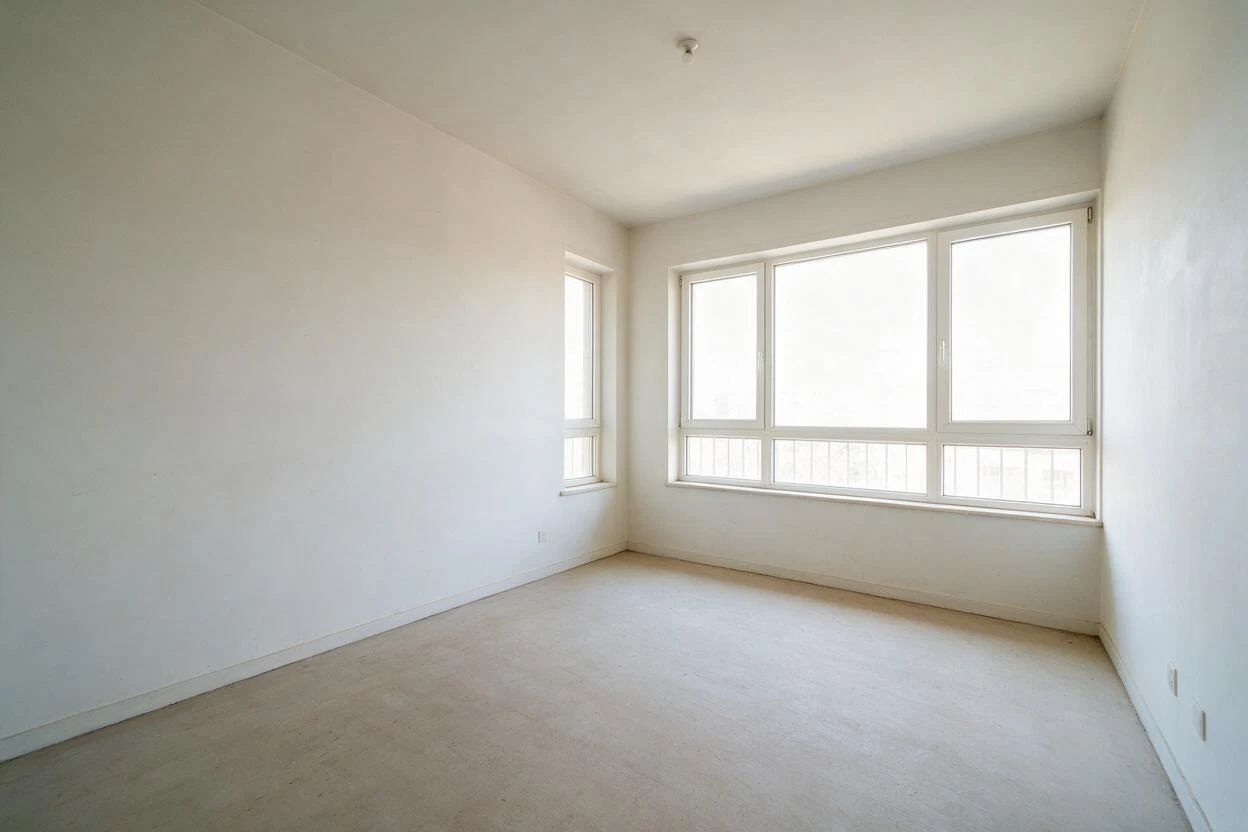
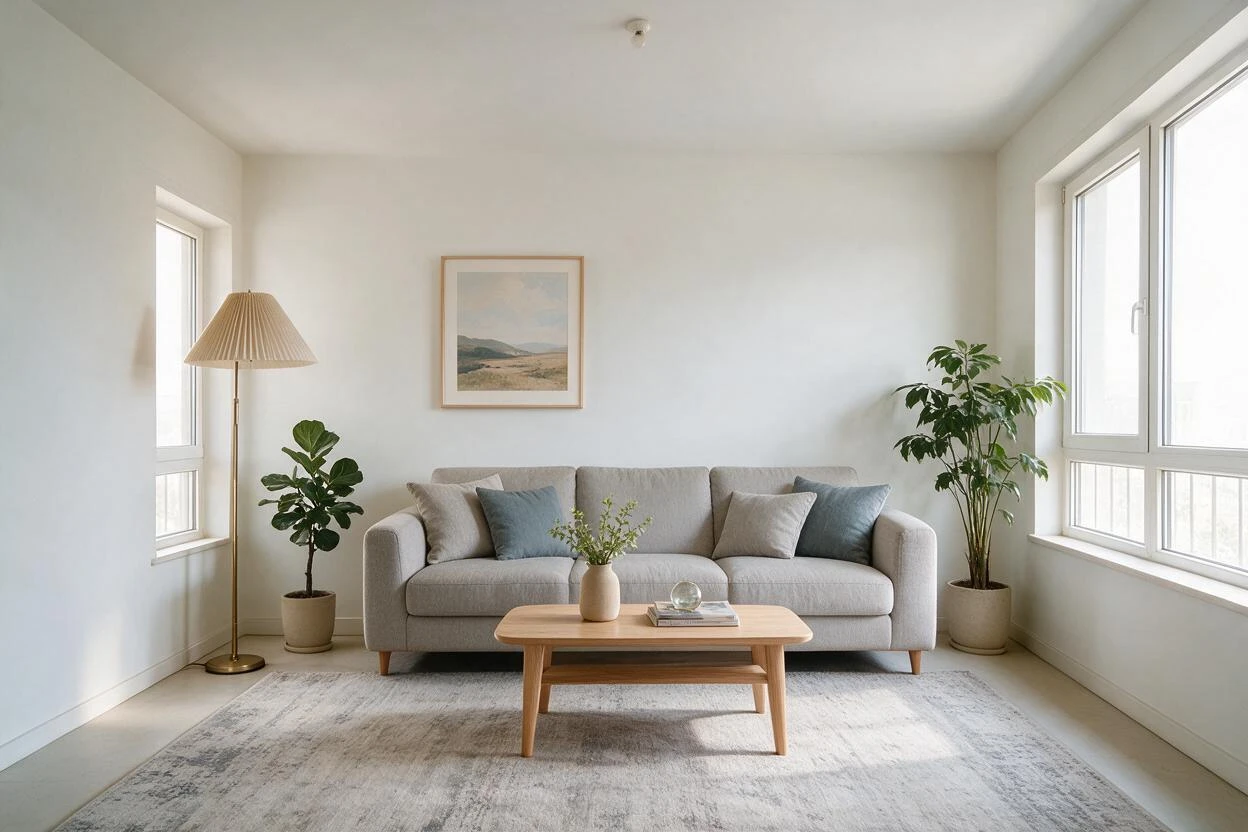
The working definition comes from the circular economy. The Ellen MacArthur Foundation frames the whole system as three principles driven by design: eliminate waste and pollution, circulate products and materials at their highest value, and regenerate nature. Translated to a living room, each principle names a decision. Eliminating waste means repairing and refinishing instead of replacing — the wobbly chair gets glue, not a trip to the curb. Circulating materials means secondhand markets, hand-me-downs, and pieces built to be disassembled and re-homed. Regenerating nature means choosing materials that grow back — wool, linseed-oil linoleum, FSC-certified timber, bamboo and cork — over petroleum products that never will.
What makes it "interior design" rather than just thrift is that these choices are made deliberately, room by room, before money is spent. A designer applying the framework asks where each new object comes from, how long it stays useful, and where it goes afterward — the same three questions a factory asks about raw materials.
The hierarchy that orders every decision
The greenest option is always the one that already exists: keep, repair, reupholster, refinish before buying anything. Second comes secondhand — a vintage table carries no new-production footprint. Third, new pieces made from reclaimed or certified-renewable materials with repairable construction. Fast furniture — the particleboard wardrobe that survives one move — is the opposite pole: cheap, unfixable, disposable.
The hierarchy matters because it reverses the usual shopping reflex. Most people start at the store and work backward; the sustainable order starts at the wall, the closet, and the salvage yard, and only reaches the store when a genuine gap remains. That ordering is also why sustainable rooms tend to look layered and personal rather than catalog-fresh — they accumulate instead of resetting.
Materials vocabulary worth knowing
FSC-certified wood (responsibly harvested), reclaimed timber, bamboo and cork (fast-regrowing), natural linoleum and wool (durable and compostable), and low-VOC finishes (indoor air quality). The words to be suspicious of: "eco" used as decoration rather than specification — ask what material, what certification, what lifespan. A sofa labeled "green" in marketing copy but built on a glued particleboard frame fails every test above; an unlabeled 1960s teak sideboard with replaceable hardware passes them without saying a word.
Paint is the smallest budget line and often the biggest air-quality decision. Certification bodies keep the numbers honest: Green Seal treats flat paints as low-VOC below 50 grams per litre, nonflat below 100, and zero-VOC below 5 — thresholds worth checking on the can, since what the labels actually mean is subtler than the marketing.
Where design comes in
Sustainability is not a style; it's a constraint that changes choices. Neutral, well-proportioned rooms tolerate restyling instead of replacement — the room that survives five palette changes is greener than any material label. That is also the argument for spending on the permanent layer: good windows, sound floors, durable finishes, and furnishing with budget discipline rather than decorating in seasonal bursts.
What it costs — and what it saves
The upfront bill is mixed: secondhand and restored pieces usually cost less than new, while certified materials can cost more. The honest comparison is lifetime cost per year of use — a solid-wood table re-finished once across forty years beats four laminate tables on every line of the ledger, money included. The same math runs through the operating costs: LEDs, heavy curtains, and sealed drafts shrink the energy bill with no renovation, which is why the no-renovation efficiency checklist belongs in any sustainable design plan.
The habit that starts today
Before any purchase: can what I own be restyled instead? A refinished piece beats a recycled-label new one on every measure.
See the restyle-first principle working: give a piece you already own a facelift — new fabric, color, or wood tone on your actual photo — then upload the room and preview changes before buying anything.
FAQ
What are the three principles of sustainable interior design?
Eliminate waste and pollution, circulate products and materials at their highest value, and regenerate nature — the circular-economy framework, applied room by room. In practice: repair before replacing, buy secondhand or certified-renewable before new, and pick finishes that don't pollute the air you breathe at home.
Is sustainable interior design more expensive?
Rarely in total. Secondhand and restyled pieces usually cost less upfront, and durable goods cost more per purchase but less per year of use — the table kept forty years is cheaper than four tables kept ten. The expensive version only appears when "sustainable" is bought as a premium label instead of practiced as a hierarchy of reuse.
How do you start a sustainable redesign?
With an inventory, not a shopping cart. List what you own, move what's misplaced, restyle what's tired, and only then buy the genuinely missing piece — repairable, natural-fibre, and neutral enough to survive the next restyle. Previewing changes on a photo of your own room first keeps the purchases deliberate.
Compare
Related questions
Related tool
