
How can you make a home more energy-efficient without renovating?
By Goodesign AI · Updated 2026-10-16
Attack the cheap losses first: draught-strip doors and windows, insulate behind outlet covers, switch every bulb to LED, and add thick rugs on cold floors. None of it touches the structure, and the savings start with the next bill.
Energy losses concentrate in a handful of cheap, fixable places — none of which require opening a wall. The order below goes by return per dollar, and every item is renter-legal.
The numbers behind the order
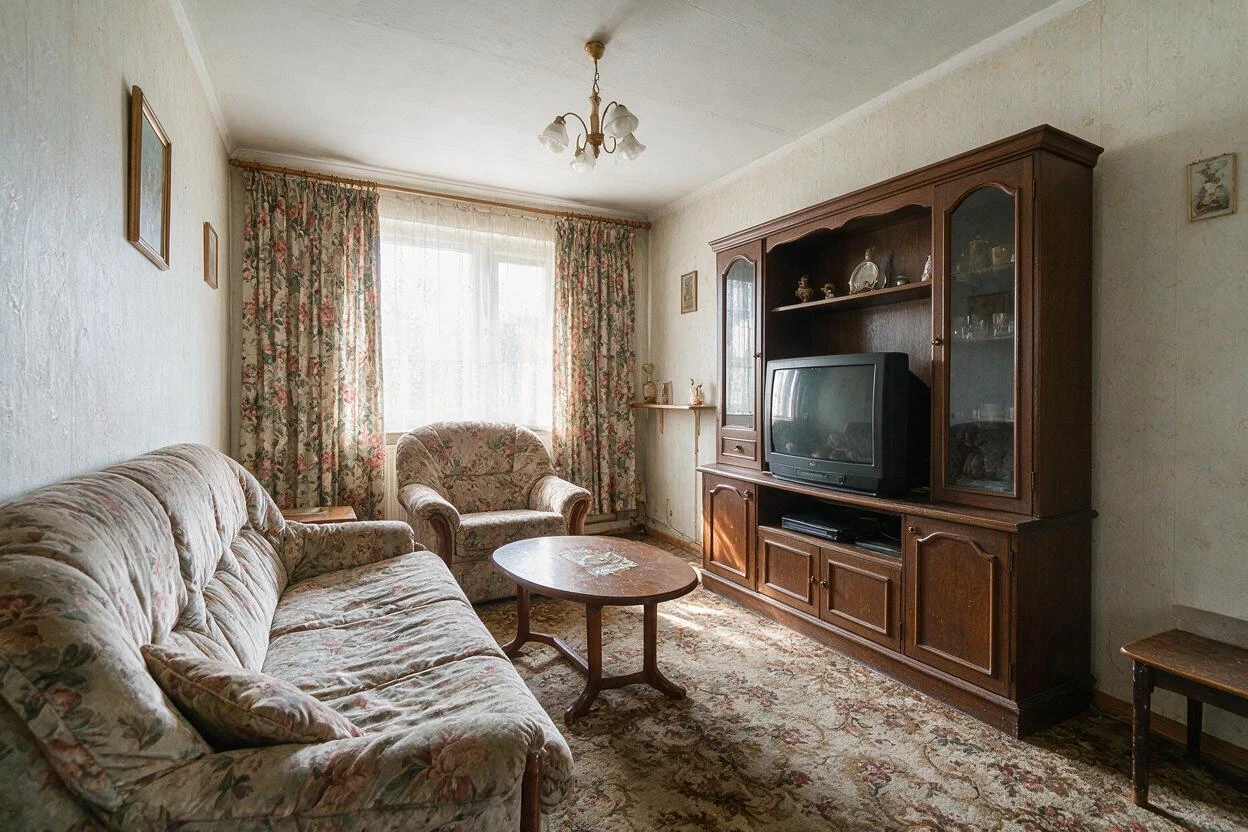
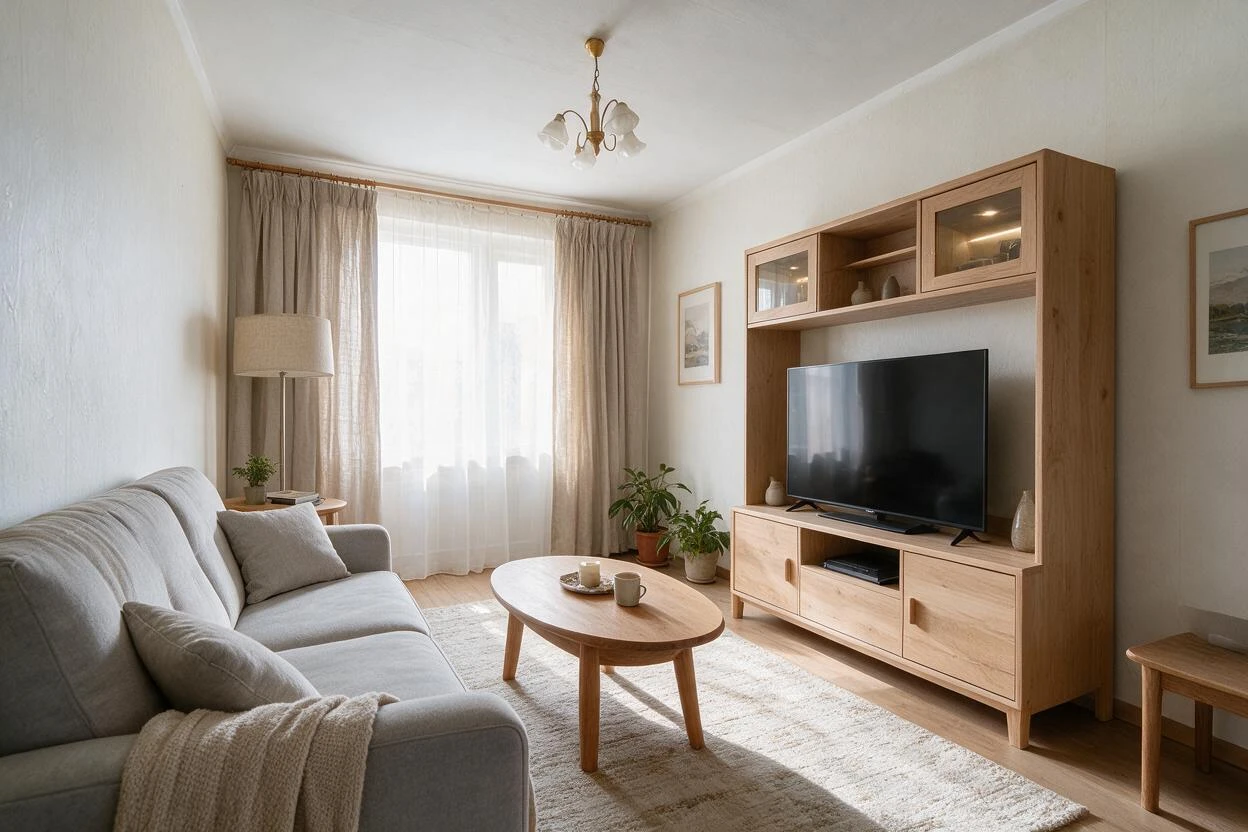
The case for starting with air leaks isn't folk wisdom; it's the EPA's own estimate, published through Energy Star's seal-and-insulate program: homeowners who air seal and add insulation in attics and over crawl spaces and basements save an average of 15 percent on heating and cooling costs, or 11 percent on total energy costs — the program rounds the annual-bill version to "up to 10 percent." Lighting is the other lever with a federal number behind it: per the Department of Energy, LEDs use at least 75 percent less energy and last up to 25 times longer than incandescent bulbs, which makes the bulb swap the smallest-effort, surest-payback item on this page. Every other trick below — curtains, rugs, schedules — works on the same two losses (airflow and wasted watts) at smaller scale.
Seal the drafts first
A door sweep and self-adhesive draft strips on windows cost under $30 and attack the largest invisible loss: uncontrolled airflow. Feel for drafts on a windy day with a lit incense stick or the back of your hand — around frames, letterboxes, loft hatches, and outlet covers on exterior walls. Foam gaskets behind outlet plates take ten minutes. The physics is unforgiving: warm air escapes high and low, and the house pulls cold replacement air in through whatever gaps it finds, so every sealed gap reduces the churn for all the others.
Work the windows with soft furnishings
Heavy, lined curtains closed at dusk cut nighttime heat loss through glass measurably; closed on hot summer days and opened at night, they do the same job in reverse. Thick rugs on suspended timber floors warm the feet and the room's perceived temperature with them. Neither replaces glazing, but both shift the numbers on windows you have no plans to replace — and in rentals, they're often the only window intervention on the table.
Switch every bulb to LED
Incandescents convert most of their power to heat; LEDs cut the energy draw of lighting by at least three-quarters and last years, not months. It is the least glamorous line on this list and the fastest payback. Do the arithmetic once and the case closes itself: a bulb that runs four hours a day costs roughly $10–12 a year as an incandescent and about $1–3 as an LED — and since the LED avoids the ladder-climbing replacements too, the swap pays even in rooms used rarely.
Manage heat sources
A smart thermostat that lowers the temperature while you're out typically saves around 8 percent on heating and cooling — the figure behind Energy Star's thermostat certification, and the honest accounting of what thermostats save matches it. Bleed radiators so they heat fully, and never block them with sofas or long curtains — furniture absorbs the heat the room should get.
A one-weekend checklist
| Move | Typical cost | Time | What it targets |
|---|---|---|---|
| Door sweeps + window draft strips | Under $30 | 1 hour | Uncontrolled airflow |
| Foam gaskets behind outlet plates | About $10 | 30 minutes | Leaks in exterior walls |
| Attic hatch insulation + seal | $20–40 | 1 hour | The stack-effect chimney |
| LED swap, whole house | $2–5 per bulb | Minutes per bulb | The lighting load |
| Lined curtains + thick rugs | Varies | An afternoon | Window and floor loss |
| Thermostat setback schedule | Free (or a $130 unit) | 30 minutes | Heating/cooling runtime |
| Radiator bleed | Free | 15 minutes | Radiator output |
Run the table top to bottom in a weekend and the house does the same work for measurably less energy — with the two items carrying federal estimates (sealing and LEDs) doing most of it.
Behavior is free
Lids on pots, full washing loads, cold washes, and short showers add up faster than most gadgets. None of this behavior requires hardship — a lid on the pot, a cold-wash detergent, a shower timer — and together they target the second-largest energy category in most homes (water heating) without spending a cent.
The renter's version
Every item above is reversible, which is what "renter-legal" means in practice: strips come off, gaskets pop out, and curtains move with you. The full playbook for a rental — where walls and fixtures are off-limits but comfort isn't — is in the renter-friendly upgrade guide.
See the comfort side first: brighten and restyle a cold-feeling room on a photo — upload it and plan the warm, low-energy version visually.
FAQ
How can you save energy without renovating?
Seal airflow first — draft strips, sweeps, outlet gaskets, the attic hatch — then move lighting to LED and put heating on a schedule. Air sealing plus attic insulation averages 15 percent off heating and cooling costs per EPA estimates, LEDs cut lighting energy by at least three-quarters, and none of it touches a wall. Everything is reversible, so it works in rentals too.
Do LED bulbs really pay for themselves?
Yes, quickly. An LED uses at least 75 percent less energy than the incandescent it replaces and lasts up to 25 times longer, per Department of Energy figures — a regularly used bulb pays back its purchase price within months and then saves for years. In rarely used rooms the payback slows but the replacement convenience still wins.
What's the single cheapest efficiency upgrade?
Weatherstripping: a few dollars of self-adhesive draft strip and a door sweep, applied on a windy afternoon where the incense stick smokes sideways. Air leaks are the largest loss in most under-insulated homes, and sealing the worst of them costs less than a month of the savings it produces.
Compare
Related questions
Related tool
