
Which flooring options are most sustainable?
By Goodesign AI · Updated 2026-10-16
Reclaimed wood, FSC-certified timber, bamboo, cork, and natural linoleum top the list: all are renewable, repairable, and low-emission. Stone and tile last longest, which also counts. The most sustainable floor is usually the one already down — restore before you replace.
The most sustainable flooring options share three properties: renewable or reclaimed material, a long repairable life, and low chemical emissions. By those criteria the ranking runs: reclaimed wood, certified timber, bamboo, cork, and natural linoleum — with stone and tile earning a place through sheer lifespan.
The leaders explained
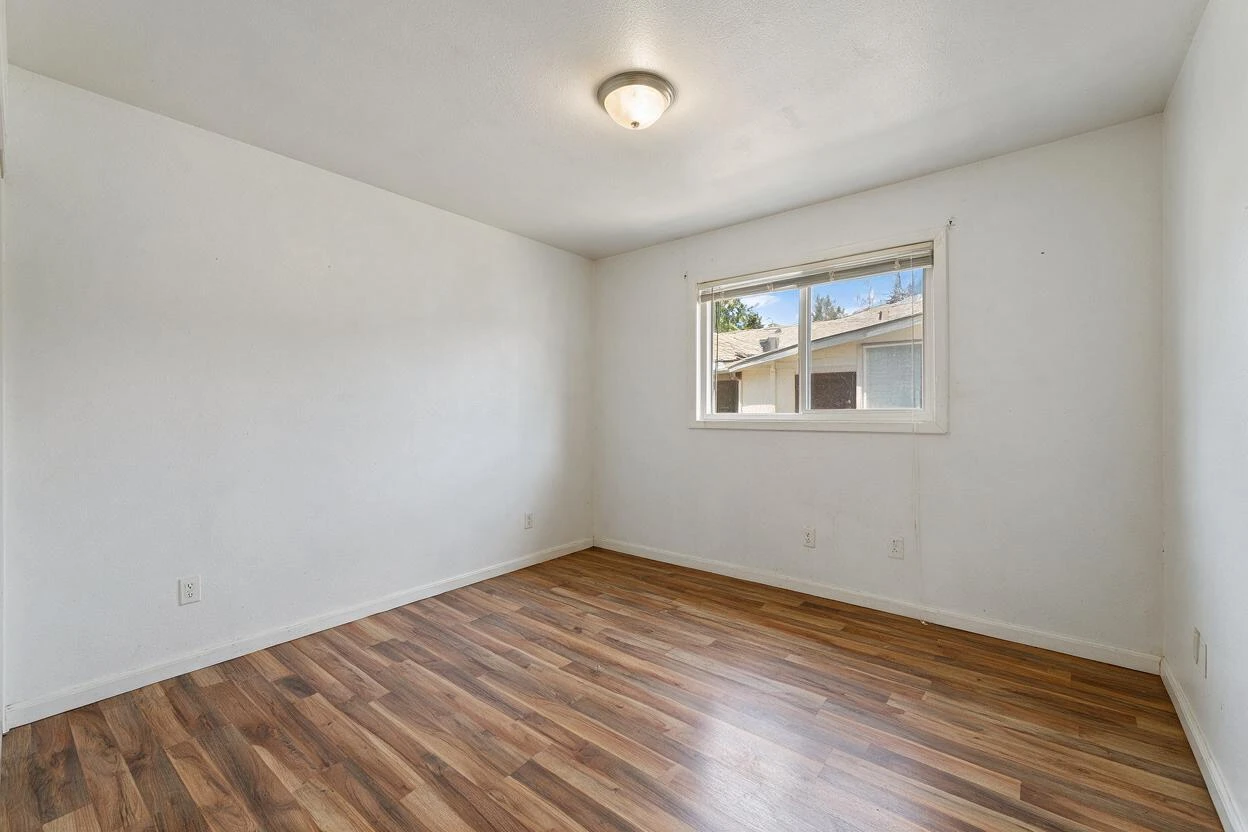
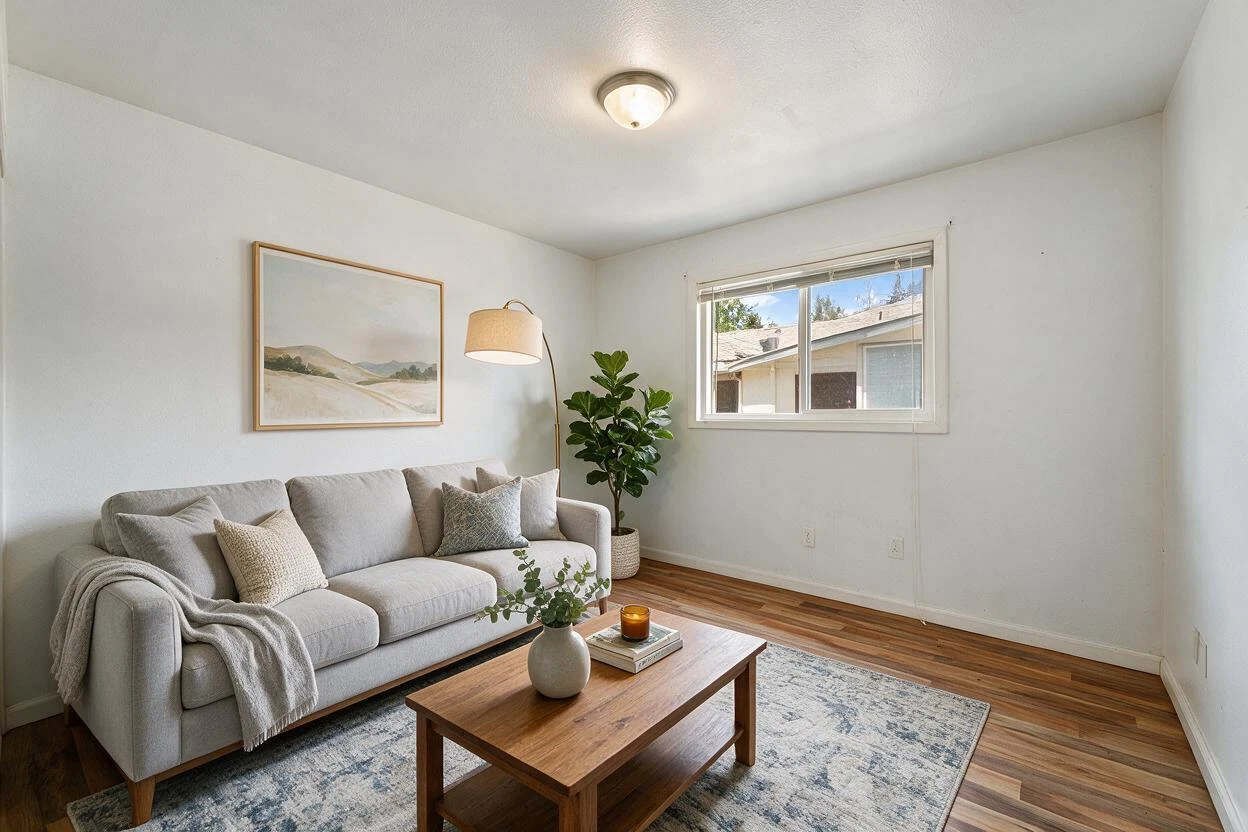
Reclaimed timber tops the list because no new tree falls and old-growth grain outperforms new planting. FSC-certified wood is the responsible new-wood option — harvested to a published forest-management standard (FSC publishes its system and figures for anyone who wants to check what the label covers) and replaceable within a forestry cycle rather than a generation. Bamboo matures far faster than any tree, though check the adhesives for formaldehyde claims. Cork regrows from a living tree — the bark is stripped and grows back — insulates and softens underfoot, and hides dents. Natural linoleum — marmoleum, not vinyl — is made of linseed oil and wood flour, compostable at end of life. Stone and tile are energy-intensive to produce but routinely outlast the building, which amortizes everything.
How fast the materials actually renew
The renewal numbers are what separate the leaders from the pretenders. Bamboo reaches maximum hardness at five to seven years of growth; harvested younger — as cheap bamboo often is, at around three years — it stays soft and dents under chair legs. Cork oak is never felled for flooring: the bark is peeled and regrows on the same living tree in about eight to ten years, repeatable for the tree's lifetime. Against hardwoods that take decades to reach harvest size, that speed is the whole environmental argument — as House Plans' flooring breakdown puts it, the trade-offs are real too, since most bamboo is shipped from China, which adds transport miles to the ledger.
The materials, side by side
| Material | How it renews | Realistic lifespan | Watch for |
|---|---|---|---|
| Reclaimed timber | No new harvest at all | Decades to a century, re-sandable | Provenance and nail-hole grading |
| FSC-certified wood | Decades per harvest cycle | 40+ years, re-sandable | Verify the chain-of-custody label |
| Bamboo | 5–7 years to full hardness | 20–30 years | Adhesives; cheap early-harvest product |
| Cork | Bark regrows in 8–10 years | 20–40 years | Sealant quality in wet rooms |
| Natural linoleum | Annual crops (linseed, jute) | 20–40 years | Don't confuse it with vinyl |
| Stone and tile | Quarried once | 100+ years | Embodied energy of production |
The table explains why "renewable" alone is a weak test: vinyl is technically abundant, yet it fails on every other line. Lifespan multiplies everything — a floor that survives a century needs its manufacturing footprint divided by a hundred years.
The disqualifiers
Virgin vinyl and laminate flooring: petroleum-based, effectively unrepairable, non-recyclable, and prone to off-gassing. Their low price is real, but replacement cycles of ten years are the opposite of sustainable. A scratch in vinyl is a terminal event; a scratch in solid wood is next sanding's problem.
The adhesives and finishes question
Renewable material can still ship with an unhealthy finish. Bamboo and laminate rely on binders that may carry formaldehyde claims worth checking; cork and wood floors get site-finished with products whose solvent load varies widely. The same low-VOC logic that governs walls governs floors — thresholds, labels, and the honest reading of them are covered in the low-VOC paint explainer. Ask for the emission certification of the finish and the adhesive, not just the wood.
The rule above all options
The greenest floor is the one already down. A scratched solid-wood floor sands back to new for a fraction of replacement cost; worn stone re-polishes. Rip-out is the decision that creates the waste — repair and refinish first. This is also the frame to hold when a showroom calls: the comparison that matters is never new-floor versus new-floor, it's new-floor versus keeping the old one another decade.
The entry in the ledger people forget
Lifespan divides impact: a floor replaced twice a century beats a "green" floor replaced four times. If a material decision is hard, deciding to simply keep and maintain what's down is the choice that wins on every column — cost, waste, and carbon alike.
Preview finishes on your actual floor before any decision: restyle your surfaces — wood tones, stone, tile rendered on the real photo — see how a sustainable design plan orders the decisions, then upload the room and compare options without ripping anything up.
FAQ
Is bamboo flooring really sustainable?
Genuinely, with two checks. The plant itself renews faster than any tree used for floors — five to seven years to full hardness, with the cheapest product sometimes harvested early and soft as a result — and cork-style regrowth is not even needed since bamboo regrows from its root system. The checks: buy mature (5–7-year) culm product, and verify the adhesives carry low-formaldehyde certification, since the binders, not the grass, are where bamboo floors usually fail the test.
What is the single most eco-friendly flooring option?
The floor already in the room, restored. A solid-wood floor sanded and refinished creates no manufacturing demand, no shipping, and no dumpster — every new option starts behind it. Among new materials, reclaimed timber wins on paper and FSC wood wins on availability; both beat anything replaced twice as often.
Does sustainable flooring cost more?
Per square metre, sometimes; per year of service, usually not. Stone and FSC hardwood carry the highest tickets and the longest lives, bamboo and cork undercut them on price while lasting a few decades, and the true budget-killer is the cheap floor that gets replaced every decade. Ask for cost per decade, not cost per box.
Compare
Related questions
Related tool
