
What is biophilic design?
By Goodesign AI · Updated 2026-11-02
Biophilic design connects a home to nature: real plants, daylight, natural materials like wood and stone, views to the outside, and organic shapes instead of hard boxes. Studies link it to lower stress and better focus — it is the principle behind the indoor-plant and natural-light trends, not the trend itself.
Biophilic design connects a home to nature — not by decorating with plants, but by building the room around what human nervous systems respond to: daylight, natural materials, living greenery, views, air movement, and the organic shapes found outside. It is the research-backed principle underneath several design trends, not a trend itself. Every element on that list can be added to an ordinary room this month, most for under $100.
Where the word comes from
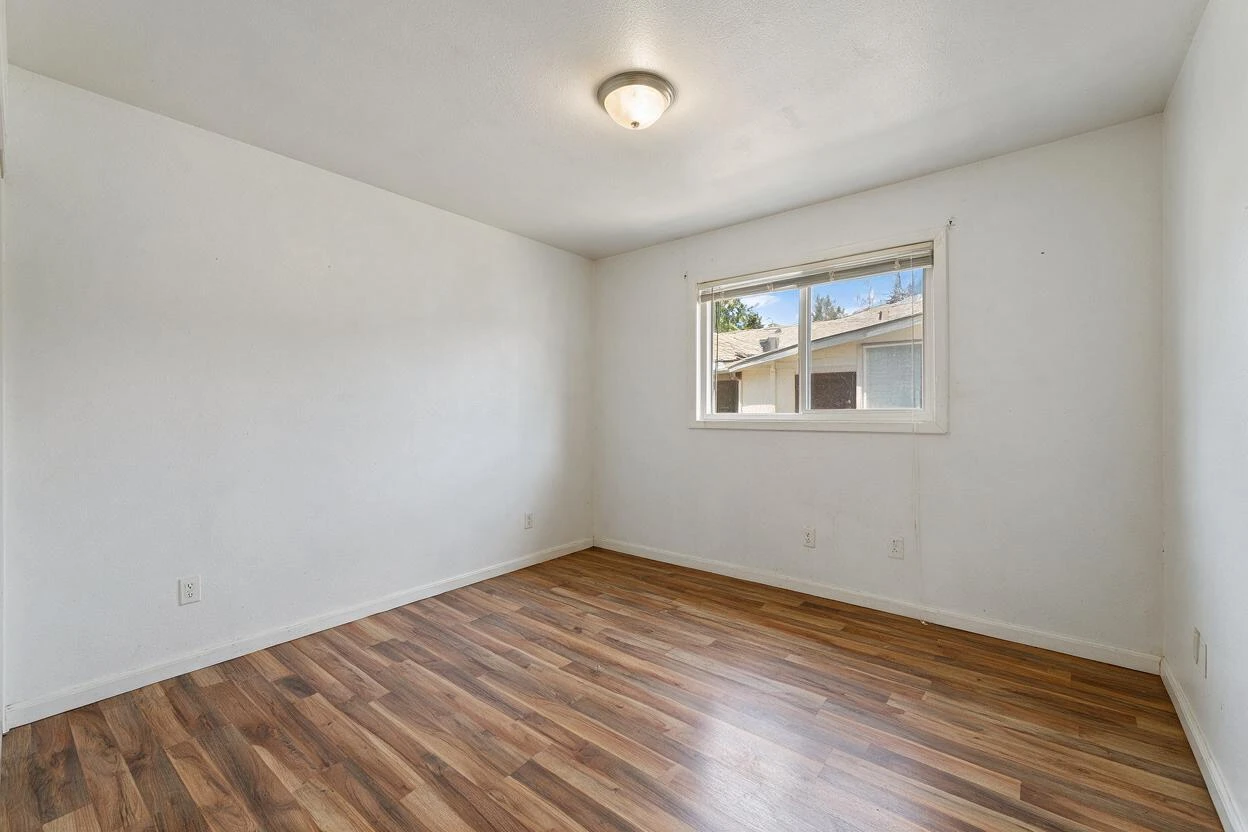
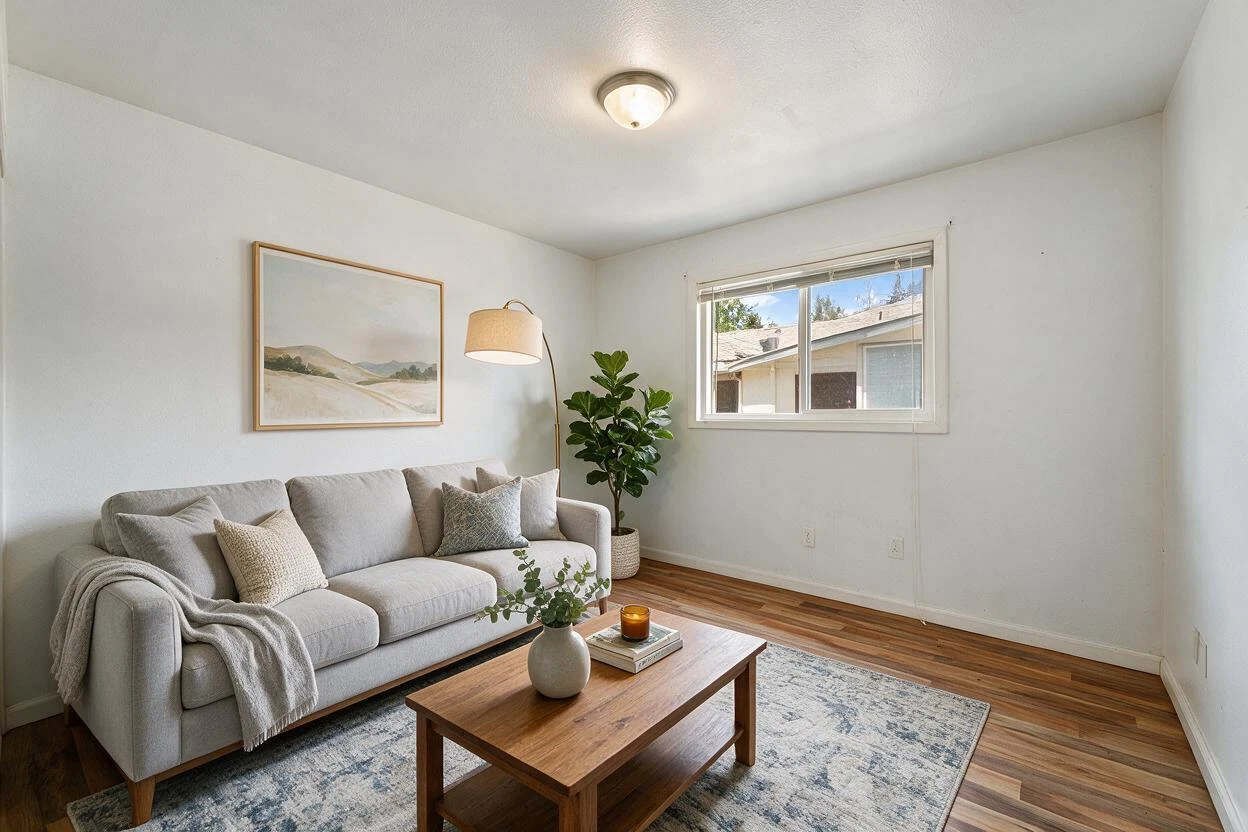
The word is older than the trend. Psychoanalyst Erich Fromm used "biophilia" in the 1960s for the human attraction to everything alive, and biologist E. O. Wilson carried it into mainstream science with his 1984 book Biophilia — arguing, per the standard account of the hypothesis, that the pull toward living systems is innate rather than learned. The Journal of Biophilic Design defines the practice as "the intentional integration of nature and natural patterns into buildings and spaces to improve human health, wellbeing, and creativity." The load-bearing word is intentional: a lonely ficus is decor; daylight and views arranged around a human response are design.
The elements of biophilic design
Terrapin Bright Green's "14 Patterns" is the formal taxonomy. For a house, the practical version sorts by effect:
Daylight. The foundation — rooms that follow the sun earn most of the effect. Sheer window treatments instead of blackout panels, mirrors to bounce light deeper, furniture pulled off the glass. A plantless room can still read as biophilic if the daylight is handled well; the reverse doesn't hold.
Living plants. Real plants grouped in threes at different heights — floor, side table, shelf — a herb pot in the kitchen, cut branches in a tall vase. Grouped, thriving plants outperform a single specimen. Worried about maintenance? Pothos, snake plants, and ZZ plants forgive neglect.
Natural materials. Solid wood with visible grain, stone, wool, linen, rattan, cork — textures the hand can confirm. The shortest path to a visible difference: linen cushion covers, a jute rug, an oiled counter — a weekend's work. The closest named direction is grain-forward wood; see the natural wood style guide.
Views and connection to the outside. A framed tree out the window outperforms any poster of one. Where the view is a fence, substitute honestly: a mirror reflecting the one green thing, or a window dressed so the glass reads as a picture.
Air, water, and weather. The elements people forget because they can't be photographed: windows that open, a fan moving air instead of chilling it, rain on a skylight. Terrapin counts water and airflow as first-class elements, and they cost nothing.
Natural shapes and order. The fractal curves of a fern against a rectangular sofa; an arched doorway; pottery that isn't perfectly round. Cameras and eyes both flatten rooms into boxes — irregular shapes restore what the geometry removes.
What it is not
A botanical-print cushion on a vinyl sofa in a windowless room is theme-park nature. Plastic plants contribute nothing — the biophilic response is to living systems. The test for any element: does it involve a living process or a natural material, or just a leaf pattern?
One myth deserves retiring: the air-purifying houseplant. A 2020 review by Cummings and Waring of Drexel University analyzed decades of VOC-removal experiments and found you would need roughly 10 to 1,000 plants per square meter of floor to match a building's ventilation system. Plants belong in a biophilic room for contact, care, and shape — not as air filters. For air, open a window.
The benefits — and what the research actually supports
The strongest findings come from offices and healthcare, not living rooms. The classic is Roger Ulrich's 1984 study in Science: surgical patients with a window on trees recovered faster and needed fewer strong painkillers than those facing a brick wall. The most cited recent one, the 2015 Human Spaces report, surveyed 7,600 office workers across 16 countries: those working among natural elements reported 15 percent more creativity, 6 percent more productivity, and 15 percent higher wellbeing.
For a home that is an analogy, not a proof. But the mechanism is familiar: the south-facing corner where you actually read in winter, the way three thriving plants read as "cared for" in ten seconds. The benefits worth promising a homeowner are stress, mood, and daily comfort — not clinical outcomes.
Real examples of biophilic design
Abstract definitions die at the front door, so here is the element list translated into rooms:
Living room: sheer shades on the main window; a mirror opposite the glass; three plants in a staggered triangle (floor-level fig, mid-height pothos, small fern on the shelf); wool or jute rug; one piece of visible-grain wood.
Bedroom: blackout you can live with (natural-fabric panels that retract by day), washed-linen bedding, one plant on the dresser if the light allows — cut eucalyptus if it doesn't.
Kitchen: a herb pot in the window (thyme and rosemary forgive kitchen conditions), a wooden counter left oiled, open shelves with ceramic rather than glass-only stacks.
Bathroom: eucalyptus on the shower hook, wood stools and stone trays, a window cleared of film. Bathrooms are the cheapest room to make biophilic — water is already there.
Rental apartment: the no-permission version of the above — plants, textiles, warm light, and a mirror need zero approvals.
How to apply biophilic design at home
The sequence that works, cheapest and highest-impact first:
- Fix the daylight before buying anything. Open curtains fully by day, swap heavy panels for sheers, add one mirror across from the main window. Cost: under $50.
- Clear the window sightline. A view works only if the glass shows something — move the storage bin off the sill and frame the best thing outside.
- Add three plants at three heights. Floor, mid, shelf. A thriving pothos does more work than a dying fiddle-leaf fig.
- Swap two materials, not a room. One natural textile plus one wood or stone object. Touchable surfaces carry the effect.
- Add air to the routine. Ten minutes of open windows morning and evening — free, and the element showrooms can't fake.
- Preview the material shift before spending. Restyle your room photo to wood and stone first — upload the room and preview the shift free before buying a cushion.
These steps pair with furnishing a home sustainably without overspending — the two lists overlap more than they differ.
Start with one change
Maximize daylight in the room you use most, then add three thriving plants at different heights. See the material side instantly: restyle your surfaces to wood, stone, and natural textures on a photo — upload the room and preview the shift free.
Why biophilic rooms photograph well
Greenery earns its keep in the camera as much as the nervous system. Plants at three heights fix the common flat-photo problem — every object on one plane — and organic shapes break the rectangles a lens flattens further. The staging rule is thriving over many: three healthy plants at varied heights beat ten straggly ones, because a dying plant photographs as neglect. And the daylight half of biophilic design is the same daylight that makes room photos work — sheer treatments and bounced light are simultaneously the wellness move and the photography move.
The closest named directions: organic modern and natural style; or how biophilic differs from sustainable design. If your taste runs cooler, Japandi is nature-adjacent with the discipline turned up.
FAQ
Do artificial plants count as biophilic design?
No — the response is to living systems, not leaf shapes. Start with plants that forgive neglect: pothos, snake plants, ZZ plants. A thriving low-effort plant does the real work; a perfect fake does none.
What are examples of biophilic design?
Daylight first: sheer window treatments and a mirror bouncing window light. Living elements: grouped plants, a kitchen herb pot, cut branches. Natural materials: visible-grain wood, stone, wool, linen, rattan. Then views to green, air movement, and organic shapes. The recurring test: living process or natural material, or just a leaf pattern?
Does biophilic design increase home value?
Not as a named feature, but its elements are the ones staging already monetizes. In NAR's 2025 Profile of Home Staging, 83 percent of buyers' agents said staging helps buyers picture the property as a future home — and bright, planted, natural-material rooms are the cheapest version of that effect.
What does biophilic design mean?
"Bio" (life) + "philia" (love of): the love of living things, applied to how we build. The design meaning is the intentional arrangement of a space around contact with nature — daylight, plants, natural materials, views, air — to support health and wellbeing. If you remember one line: biophilic design is the principle; indoor plants are just its most photogenic tool.
What are the three pillars of biophilic design?
Following Terrapin Bright Green's "14 Patterns" framework: nature in the space (plants, water, air, daylight), natural analogues (wood, stone, wool, organic shapes), and nature of the space (views, refuge, prospect). A room needs elements from more than one pillar before the word "design" applies.
Compare
Related questions
Related tool
