
What makes a good hero shot for a listing?
By Goodesign AI · Updated 2026-10-16
A hero shot is the one image that must earn the click: usually the front exterior at golden hour, or a living area with depth, light, and a clear focal point. It needs curb appeal or warmth, a believable sense of space, and zero distractions. It deserves more effort per frame than any other photo.
Every listing gets one frame that does most of the work: the thumbnail buyers see in search results, the first image in the gallery, the one that survives in memory. Treating it as "just the first photo" wastes the highest-leverage slot in the entire marketing package.
The leverage is measurable, not motivational. Photos are the deciding field of a listing — NAR's 2025 Profile of Home Buyers and Sellers found 81% of buyers rank photos as the most important listing information — and the hero is the photo buyers judge before any of the others load. It is the whole listing, compressed to one thumbnail and three seconds.
Choose the right subject
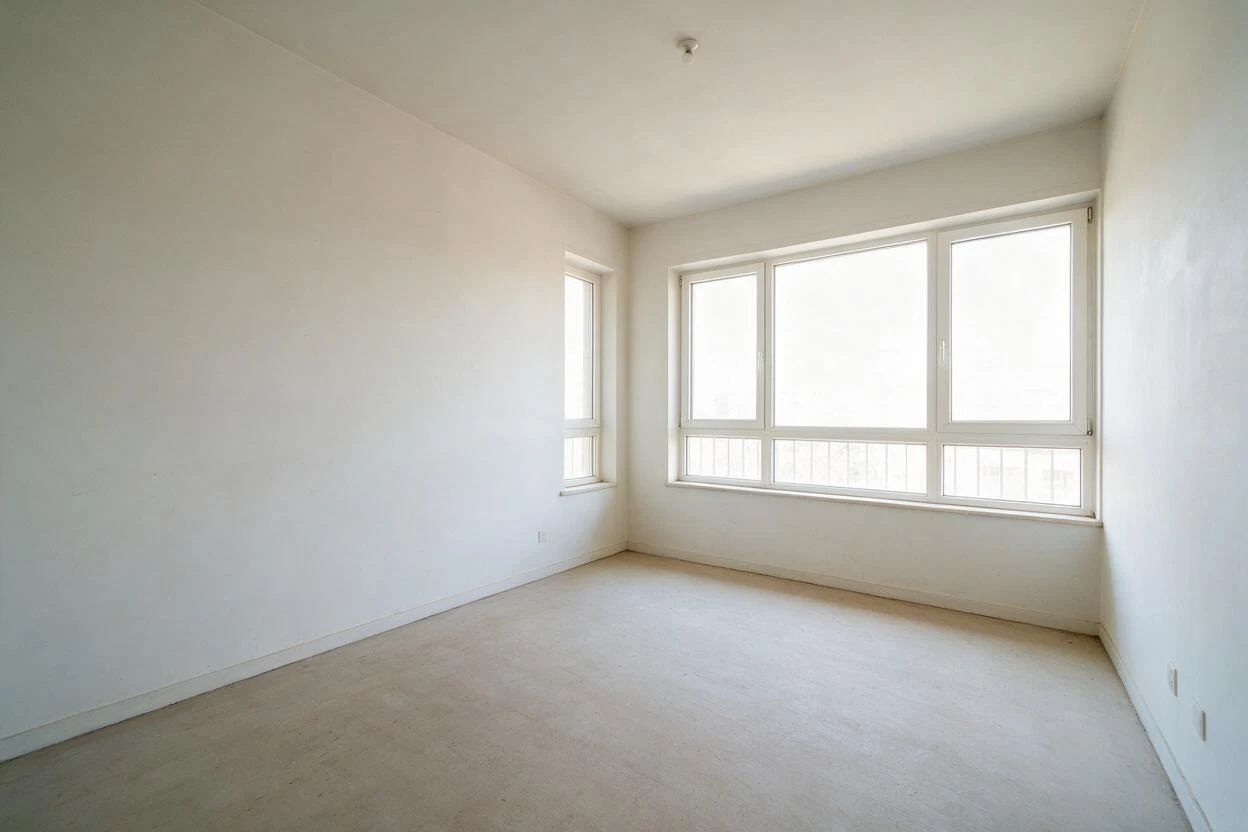

For most houses, the front exterior wins — buyers are buying a home, and the outside is the face. The exceptions are real: condos and apartments with forgettable facades should lead with the view or the living area; homes whose best feature is an interior (a dramatic double-height living space) can lead inside. Choose by asking which single image would make a stranger stop scrolling.
Three hero formulas that keep working
Almost every strong hero is one of these. The golden-hour exterior: front elevation, whole roofline visible, warm sky, interior lights glowing. The depth interior: shot from a corner at chest height, two walls receding, window light pulling the eye through the room. The view-led lead: floor-to-ceiling glass with the skyline or water doing the work — the standard play for condos whose own facades are forgettable. If your candidate doesn't fit a formula, it can still work, but know which formula you're departing from and why.
Then engineer the conditions
Exterior heroes want golden hour or twilight conversion: warm sky, glowing windows, landscape lights on. Straight-on or slightly angled composition with the whole roofline visible, lawn edged, cars and bins gone. Interior heroes want depth — shot from a corner at chest height so two walls and the window light create dimension — with lamps on and nothing on the counters. In both cases the rule is identical: the frame should contain nothing that isn't helping.
One focal point, honestly rendered
A hero answers a promise the rest of the gallery must keep. If the hero shows a sun-drenched living room, photo two had better sustain the light. Misleading heroes inflate clicks and deflate showings — the opposite of the goal.
The disclosure line on your hero
The hero frame is where editing ambition concentrates, so it's where the new rules bite first. California's AB 723, effective January 1, 2026, requires disclosure — and access to the original photo — when an image adds, removes, or changes elements: furniture, fixtures, flooring, wall color, landscaping, the facade, floor plans, or outside elements visible from the property. It explicitly spares the classic finishing moves: lighting, sharpening, white balance, color correction, cropping, and exposure adjustments don't trigger anything. The San Diego MLS's member guidance compresses the test to seven words: make it look better, not different.
Applied to the hero: brightened, white-balanced, and cropped — fine everywhere. Lawn painted greener, power lines erased, brick painted, a garage door removed — that's disclosure territory, and it's exactly the work that makes buyers feel catfished at the curb. New York's Department of State has already warned buyers about manipulated listing photos; Wisconsin follows California with similar requirements in 2027. The safe line for your hero is the one you'd defend at the showing: polish the light, keep the house.
Give it disproportionate effort
Shoot the hero at multiple times of day, pick ruthlessly, and polish it: a hero justifies sky replacement or enhancement work that no hallway photo ever will.
Test three, publish one
Hero quality is judged on a search-results grid, against nine other thumbnails, not on your monitor in full screen. So test it there: render three candidates — one exterior, one interior, one conversion — upload them, and look at the three as a row of small squares. The one that survives shrinking is the one that survives the grid. For the exterior candidates, a day-to-dusk conversion usually wins the row; for interiors, the frame with the most depth wins, not the brightest one.
If the strongest candidate needs furniture that isn't there, that's a staging decision, and a labeled one: virtual staging on a hero is accepted practice when disclosed — where the disclosure line actually sits is worth five minutes before you publish.
Test three hero candidates side by side: upload your best frames, restage or convert them free, and let the strongest one open your gallery.
FAQ
What makes a listing photo a good hero shot?
One image that survives shrinking to thumbnail size: clear subject, believable space, warm light, and nothing in the frame that isn't helping. For most houses that's the front exterior at golden hour; for condos it's often the view or the deepest, brightest interior.
Do edited photos have to be disclosed?
Increasingly, yes — but only for edits that change the property. California's AB 723 (effective January 1, 2026) requires disclosure and access to the original photo when elements are added, removed, or changed; lighting, color, sharpening, cropping, and exposure corrections stay exempt. The test worth memorizing: make it look better, not different.
Do realtors have to disclose virtual staging?
On most MLSs, yes — a "virtually staged" label on the image or in the listing text is standard, and Stellar MLS requires the words plus a designated field and an opening line in the public remarks. California's AB 723 puts disclosure into statute. Labeling costs nothing and pre-empts the objection that kills trust at the showing.
Can a twilight photo be the main listing photo?
Usually, yes — twilight heroes routinely win the click. The honest version matters: some MLSs accept genuine twilight shots as photos and treat fabricated conversions as altered images requiring disclosure, and AB 723 pulls digitally relit photos into disclosure-plus-original territory in California. Disclose the conversion and keep the property itself unedited.
Compare
Related questions
Related tool
