
How do you start building a smart home on a budget?
By Goodesign AI · Updated 2026-10-16
Start with the device that pays for itself: a smart thermostat or a few smart bulbs, both under $100 combined and both cutting energy bills from day one. Add a speaker or plug bundle next, and only then consider locks or cameras — one ecosystem, added room by room.
A smart home builds cheapest when each purchase earns its place — either by saving money directly or by solving an actual irritation. The order below starts under $50 and defers everything that doesn't pay back. It also happens to be the order the market has already voted on: in American Home Shield's 2024 survey of 1,006 U.S. homeowners and renters, 93 percent already owned at least one smart device, with speakers and assistants the most common (73 percent) — so the starter path below is well trodden, and none of it requires a hub purchase, rewiring, or a renovation.
First: the device that pays for itself
A smart thermostat (around $80 to $250, often rebated by energy companies) typically cuts heating and cooling bills about 8 percent — the official Energy Star average for certified models, roughly $50 a year — paying for itself within a few seasons. Tighter budget: three smart bulbs (under $40 total) on schedules — lamps that turn themselves off are the same idea at small scale. The full payback arithmetic, including the rebate effect, is in what smart thermostats actually save, which makes this the rare gadget whose return you can look up before you buy rather than hope for after.
Second: smart plugs
At $10 to $15 each, a plug makes any existing appliance schedulable — the lamp, the fan, the coffee maker, the heater that must never run all day. It is the highest flexibility per dollar in the entire category, and it's also the cheapest way to learn what you actually want from automation: most people discover their real use cases within a week of owning two plugs, which is cheap education compared to discovering it after a $400 blinds installation.
Third: the voice or app hub
One speaker or display to control everything, chosen after the first devices so it matches the ecosystem they use. Buying the hub first is how people end up with three incompatible apps. It's also the only step that's genuinely optional — bulbs, plugs, and thermostats all run fine from their own apps, and the hub is a convenience upgrade, not a foundation.
What to defer
Locks, cameras, and blinds: genuinely useful, but $150 to $400 each and rarely urgent. Add them when a specific need appears — travel, packages, a hard-to-reach window. The deferral isn't just about money; it's about sequencing. These devices justify themselves by solving a named problem, and the problem has a way of not existing until it announces itself.
The one rule that saves money
Pick one ecosystem and stay in it; cross-brand gadgets that need separate apps quietly destroy both budget and enthusiasm. If you're unsure what you're joining, start from what a smart home actually is — the short version is a house whose devices answer one app, and the rule above is how you end up with exactly that instead of a drawer of orphaned dongles.
A Starter Setup Under $200
Assembled in the order above, the whole starter home costs less than a mid-range dinner for two in most cities:
| Piece | Typical cost | What it earns |
|---|---|---|
| Smart thermostat | $80–130 (often $50–100 less after a utility rebate) | the biggest single cut: ~8% of heating/cooling, about $50 a year per Energy Star |
| 3 smart bulbs | $30–45 | lamps that hold a schedule and never burn all night |
| 2 smart plugs | $20–30 | the fan, the coffee maker, the space-heater guardrail |
| Budget speaker or display | $25–50 | voice control and the one app that matters |
| Total | $155–255 before rebate; often under $200 after | a working, automated home — no wiring, no subscription |
Two ways to cut the total further: check your utility's efficiency program before buying the thermostat (rebates of $50–100 on certified models are common), and skip the speaker entirely if you're happy controlling things from your phone.
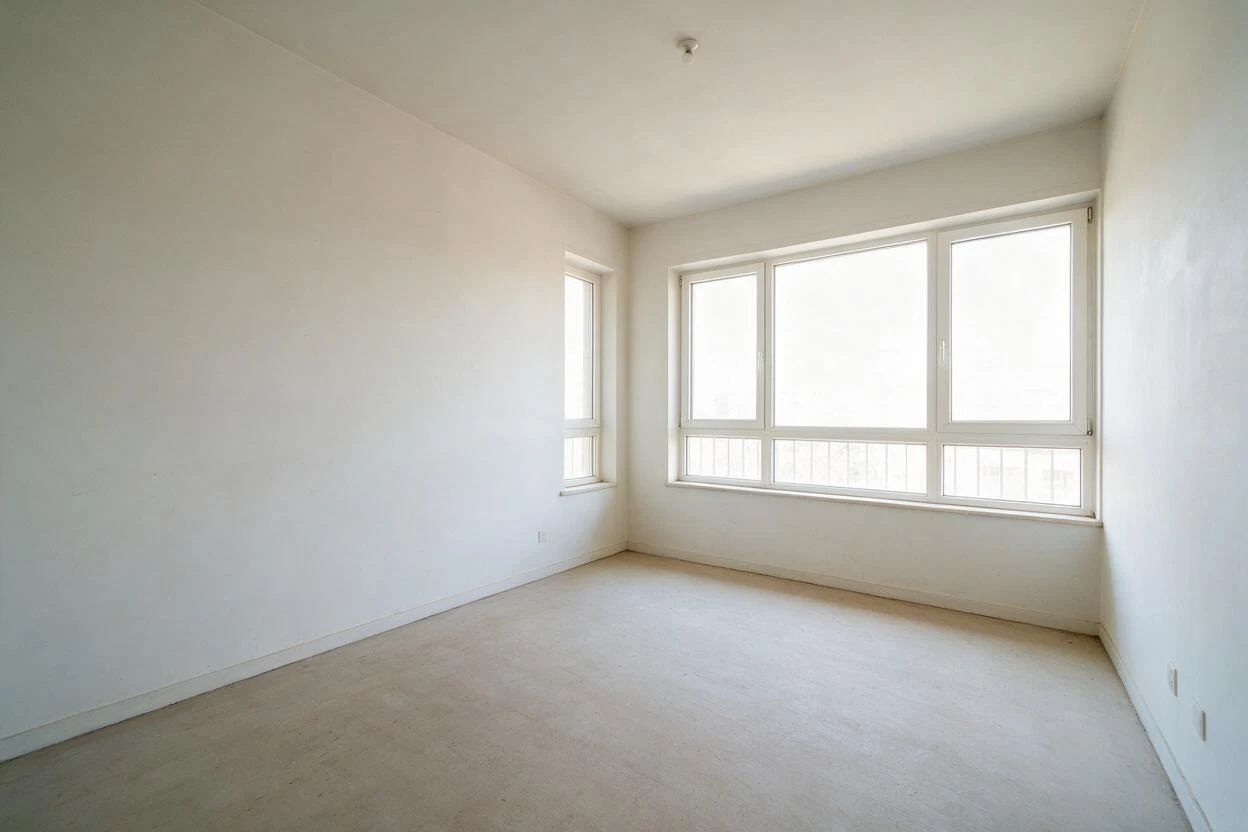
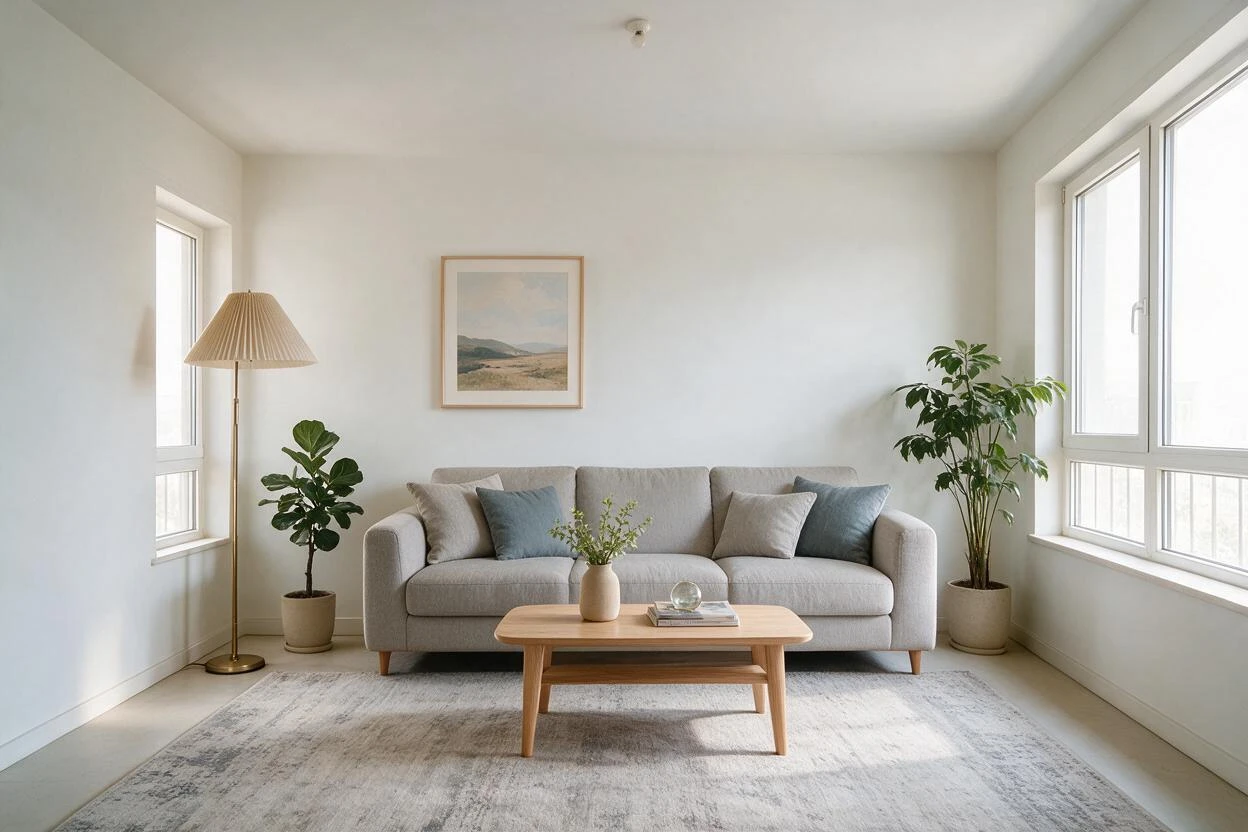
Start with the room that shows the change: upload a photo and preview how the lit evening scene should look — then let the devices chase that target.
FAQ
What do I need to start a smart home?
Less than most guides imply: working Wi-Fi, a free ecosystem account, and one first device that earns its place — usually a smart thermostat, or a few bulbs and plugs. No hub, rewiring, or renovation is required; hubs are optional conveniences bought after the first devices, once you know which ecosystem you prefer.
How much does it cost to start a smart home?
You can start under $50 with three bulbs and a plug. A functional starter setup — thermostat, bulbs, plugs, and an optional speaker — lands around $155–255 at street prices, and frequently under $200 after utility rebates on the thermostat. Nothing in the setup carries a monthly fee.
Is a smart home worth it on a budget?
Yes, when you buy in payback order: the thermostat returns its cost in verified energy savings within a couple of years, and bulbs and plugs cost less than a takeout night. The budget case fails only when expensive gadgets arrive before the problems they solve — which is exactly why locks, cameras, and blinds are deferred above.
Compare
Related questions
Related tool
