
Does smart home technology increase home value?
By Goodesign AI · Updated 2026-10-16
Modestly, and unevenly. Appraisers rarely price gadgets directly, but installed systems buyers recognize — a video doorbell, smart thermostat, established security — shorten time on market and make offers easier to win. Custom proprietary systems can backfire: buyers discount tech they'd have to learn or remove.
Smart home technology increases home value modestly and unevenly. Appraisers rarely assign gadgets a line-item price, but the market effect is real in a narrower sense: recognized, working systems — video doorbell, smart thermostat, established lighting and security — shorten time on market and make offers easier to earn. The value lives mostly in the buyer's perception of a cared-for, current home rather than in the hardware's invoice, and it flows through marketability far more reliably than through the appraisal.
Appraisal vs Marketability
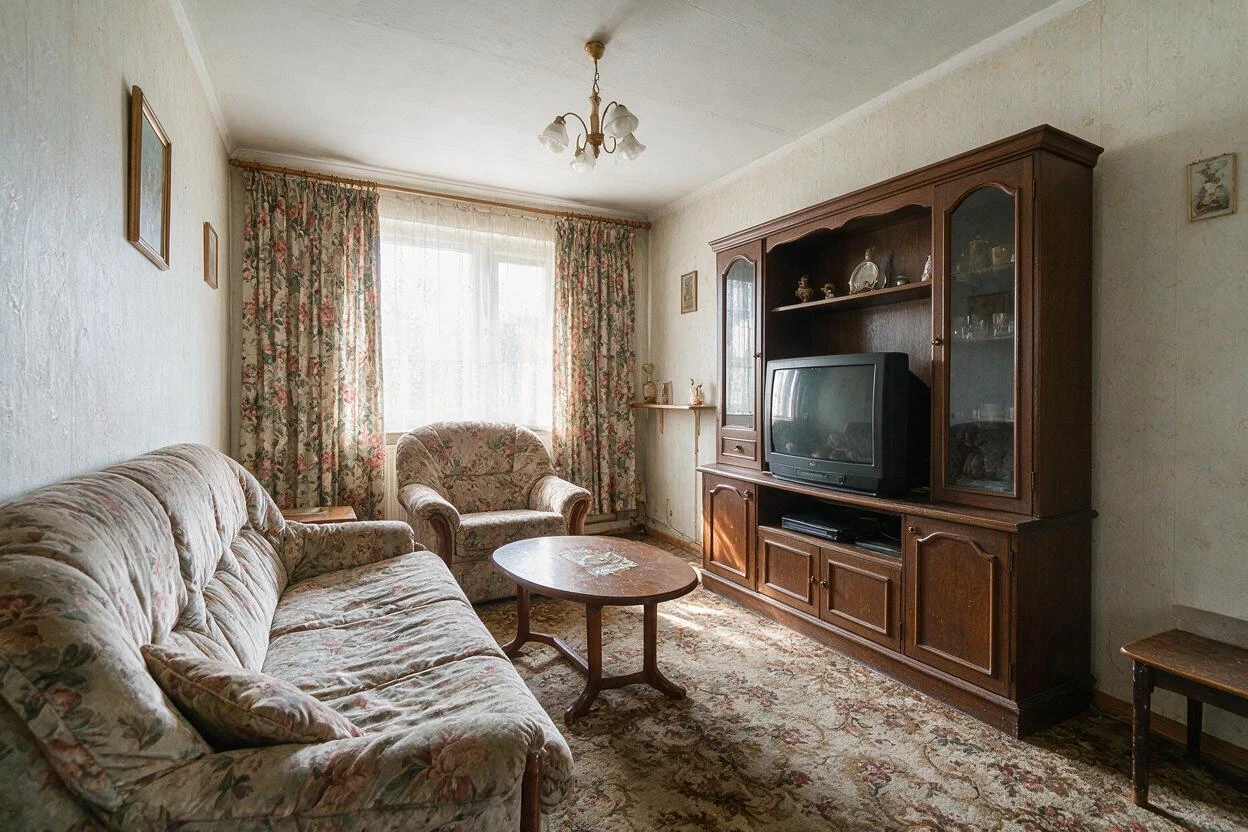
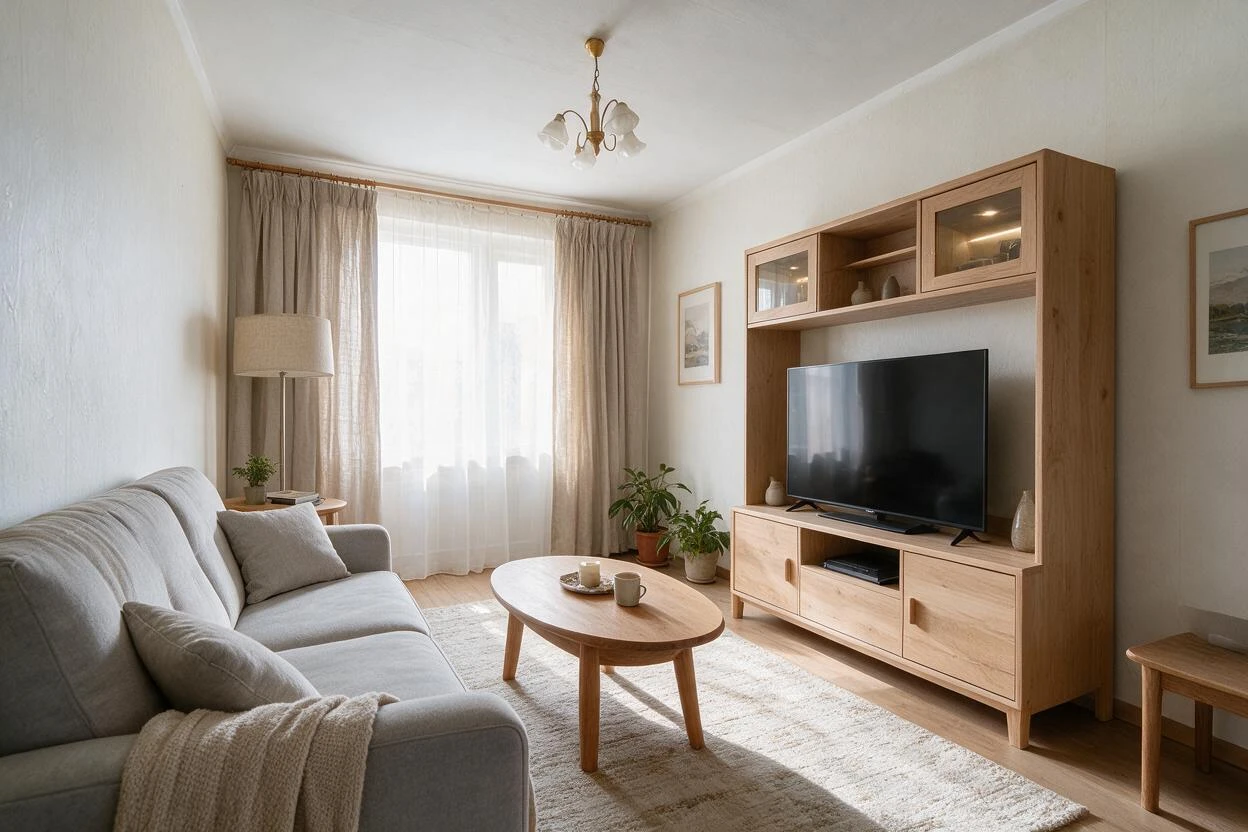
The distinction does most of the work in this topic, because the two mechanisms get conflated into one exaggerated number. Appraisers value houses through comparable sales, and comparables almost never isolate gadgets: a $250 thermostat disappears inside a $450,000 sale price, so no appraiser writes it up as its own line. The measurable effect shows up one step later — in days on market, showing traffic, and how current the home feels against the other listings a buyer saw that afternoon.
The percentage premiums that circulate online — figures like 3 to 5 percent, sometimes "up to 5" — trace back almost entirely to proptech blogs and integration-trade publications citing each other or NAR research secondhand; we could not locate a first-hand study behind any of them. Treat them as industry retelling, not verified data. The defensible claim is qualitative: smart features help a home sell, and buyers pay for homes that sell well — but no one has reliably measured a percentage the appraisal will move.
What adds value
The mainstream, transferable four: a smart thermostat (buyers recognize it as savings), a video doorbell and lock (security they can see), established smart lighting scenes (the house shows beautifully), and a working, documented security setup. Documentation matters — leave the apps, codes, and routines organized, because an undocumented system reads as a liability.
Notice what the four have in common: each is inexpensive, each transfers with the house for free, and none requires the next owner to subscribe to anything. Value accrues to features a buyer can keep without effort — the same profile that tops the buyer-demand rankings below.
What Buyers Rank Highest (NAHB 2024)
The closest thing to verified demand data comes from the National Association of Home Builders' What Home Buyers Really Want (2024 edition), a national survey of more than 3,000 recent and prospective buyers. The share rating each feature essential or desirable:
| Feature | Buyers rating it essential or desirable |
|---|---|
| Programmable thermostat | 78% |
| Security cameras | 76% |
| Video doorbell | 74% |
| Wireless home security system | 70% |
Source: NAHB's Eye on Housing summary of the 2024 edition. Two readings matter here. Climate and security dominate the list — not entertainment, not whole-home automation. And these are want percentages, not price tags: they tell you which features make a home feel current to the buyer pool, which is where offers come from.
What subtracts it
Proprietary, professionally installed systems wired to one vendor's hub. If the new owner must subscribe to a service, learn a bespoke interface, or rip out hardware, they price that work into their offer — discounting instead of paying. The same goes for half-finished installations: a wall of dangling cables signals a project, not a feature.
The photography effect
Much of the value shows up as presentation: warm evening lighting scenes, clean walls without cable clutter, a visible thermostat in the hero shot. Buyers cannot inspect an app during a showing — what they see is the frame, and the frame is where decisions happen anyway: 81 percent of buyers rank photos the most important listing information, according to NAR's 2025 Profile of Home Buyers and Sellers. That part costs nothing to improve: stage the room around the features and clear stray cables from photos; upload a frame and see the tech-forward version buyers pay for. For what to install before listing, see which smart home features buyers actually want; for what staging is worth overall, how much home staging increases sale price.
FAQ
Does smart home technology increase home value?
Modestly and unevenly. Appraisers rarely price gadgets directly, but recognized, working systems — thermostat, video doorbell, established security — shorten time on market and make a home feel current to buyers. The "3 to 5 percent" figures online have no first-hand source behind them, so treat them as industry retelling rather than data.
Do appraisers count smart home technology?
Rarely as its own line item. Appraisals are built on comparable sales, and comparables almost never isolate gadgets — a smart thermostat is invisible inside a neighborhood sale price. The value surfaces as marketability instead: faster offers and a bigger pool of buyers who read the home as move-in current.
What smart home features add the most value?
The recognized, transferable four: a smart thermostat, a video doorbell, security cameras, and a documented wireless security setup — the same features 70 to 78 percent of buyers rated essential or desirable in NAHB's 2024 survey. Custom proprietary systems can subtract value, because buyers discount hardware they'd have to learn, subscribe to, or remove.
Compare
Related questions
Related tool
