
Which smart home features do buyers actually want?
By Goodesign AI · Updated 2026-10-16
Buyers consistently value security and climate: video doorbells, smart locks, and programmable thermostats top surveys, ahead of smart lighting. Entertainment systems divide opinion, and fully automated blinds or kitchens read as maintenance risk. Visible, simple, transferable — that's the profile of tech that helps a sale.
Buyer surveys keep converging on the same short list: security and climate tech first, lighting second, everything else negotiable. The pattern behind the ranking is consistent — buyers value features that are visible at a showing, understandable without a manual, and transferable without a subscription. That pattern matters more than any single device, because it converts a shopping question ("which gadget?") into a presentation question ("does my home read as current and cared for?").
The Features Buyers Actually Rank
The broadest recent measurement comes from the National Association of Home Builders' What Home Buyers Really Want (2024 edition), a national survey of more than 3,000 recent and prospective buyers. The share rating each feature essential or desirable:
| Feature | Buyers rating it essential or desirable |
|---|---|
| Programmable thermostat | 78% |
| Security cameras | 76% |
| Video doorbell | 74% |
| Wireless home security system | 70% |
Source: NAHB's Eye on Housing summary. Two cautions when quoting it: these are want percentages, not willingness-to-pay figures — the survey measures demand, not dollar premiums — and the top of the list is climate and security, not entertainment, which is exactly where seller intuition tends to over-invest.
The features that top the lists
Video doorbells lead: they answer a real security anxiety and demo themselves in ten seconds. Smart locks follow — keyless entry for the dog walker reads as quality of life, not gadgetry. Programmable smart thermostats are third, because buyers price them as bill savings they can verify. Smart lighting scenes and leak detectors round out the trusted tier; the water sensor especially, since it prevents the damage every homeowner fears.
Notice how closely that ordering tracks the NAHB table above — thermostat, cameras, doorbell, wireless security, all inside a four-point spread. When independent rankings collapse to a 70-to-78-percent band, the safe conclusion is that buyers no longer distinguish sharply among these four; they read "smart and secure" as one impression.
The dividing line
Entertainment tech — built-in speakers, media walls — divides opinion roughly in half, which means it helps only when it helps and is ignored otherwise. Fully automated blinds, smart kitchens, and whole-home control systems tip negative: buyers price them as complexity, maintenance, and a proprietary system they might have to remove. The asymmetry is worth internalizing: a missing smart feature costs you almost nothing with buyers, while the wrong one — bespoke, subscription-bound, or half-wired — actively discounts the offer.
How to present what you have
Three rules: make it visible (the thermostat in the photo, the doorbell in the walkthrough), make it clean (no cable nests), and leave the documentation — apps, codes, routines — organized on the counter for the viewing. A smart feature that confuses is a defect; one that demos in ten seconds is a selling point. If the sale timeline is near, it's worth checking whether the tech raises the appraised value or just the marketability — the two get conflated constantly, and only one of them shows up in the appraisal report.
Showing Off Smart Features in Listing Photos
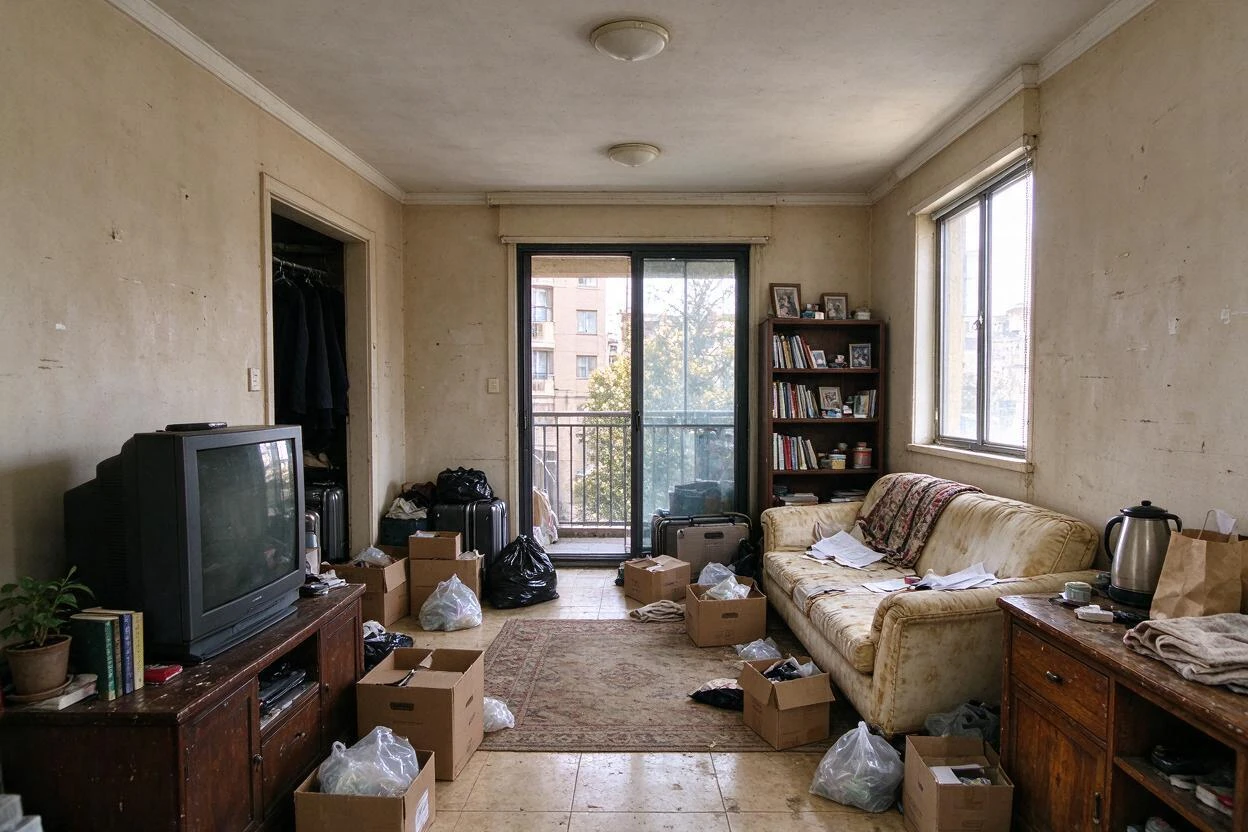
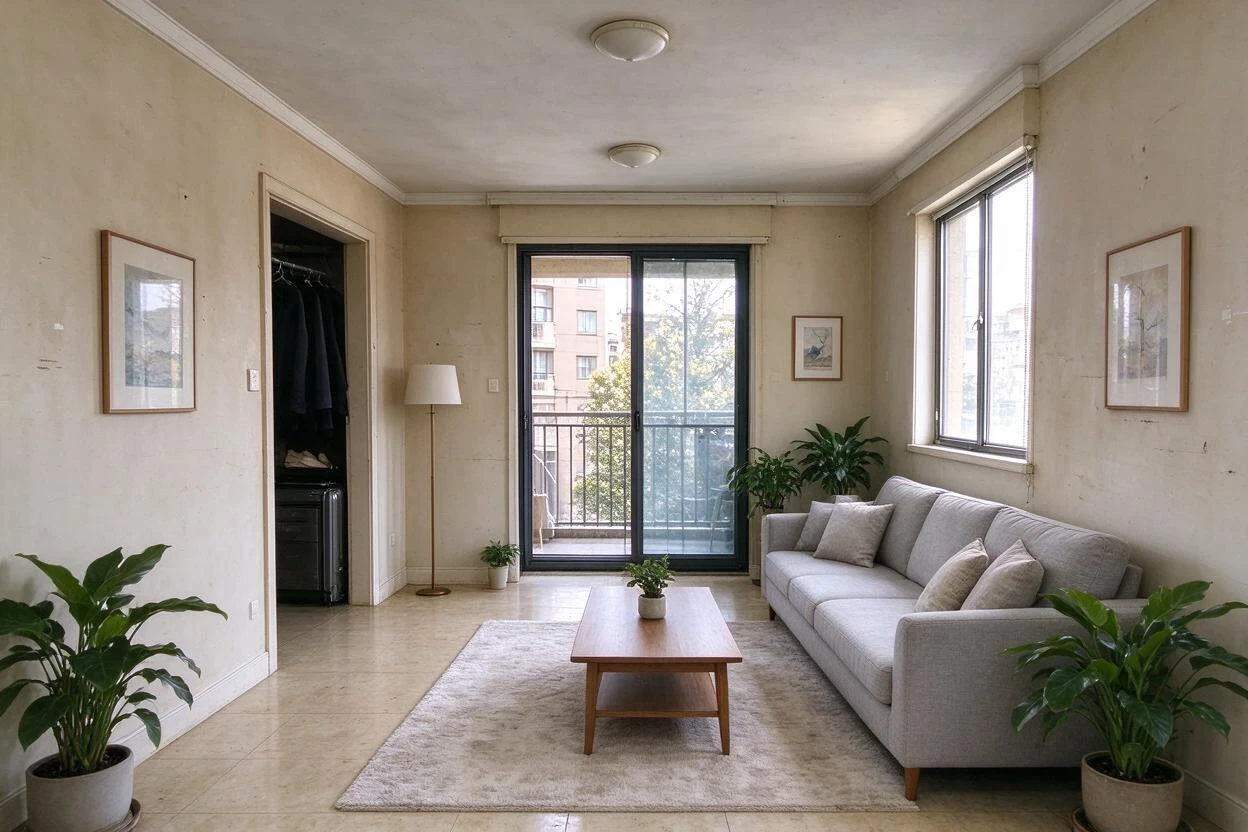
Most buyers meet your smart features in the gallery before they ever touch the doorbell, and the gallery is where decisions already happen: 81 percent of buyers rank photos the most important listing information, per NAR's 2025 Profile of Home Buyers and Sellers. Three photo moves pay. First, let the tech appear at the edges — a smart panel or video doorbell in the entry frame reads as a hint of modern maintenance, a signal the systems of the house are cared for. Second, shoot the evening lighting scene: warm lamps at dusk are the photographic form of "this house knows how to live." Third, clear the wires — a cable nest beside the media wall undoes the current-and-cared-for impression the doorbell just built. One honesty line holds throughout: present what's installed, don't render in what isn't. Remove visible cable clutter from your photos and stage rooms around the lit evening scene to get there quickly, then upload a photo and preview the tech-forward version — and if you're doing an in-person viewing, the open-house checklist covers the rest of the staging.
FAQ
What smart home features do buyers want?
Climate and security, in that order. NAHB's 2024 buyer survey found 78 percent of buyers rate a programmable thermostat essential or desirable, with security cameras at 76 percent, video doorbells at 74 percent, and wireless home security at 70 percent. Smart lighting follows; entertainment systems divide opinion and fully automated homes can read as a liability.
Do smart homes sell faster?
Recognized, working features help — they shorten time on market by making the home feel current and cared for, which is a marketability effect rather than an appraisal effect. The specific percentage premiums quoted online circulate through industry blogs without a first-hand source, so the defensible expectation is "sells easier," not "sells for X percent more."
Is it worth installing smart features before selling?
The cheap, visible, transferable three — a smart thermostat, a video doorbell, a couple of security cameras — cost a few hundred dollars combined and match exactly what buyers say they want. Skip proprietary whole-home systems before a sale: buyers price the subscription and learning curve into their offer, in the wrong direction.
Compare
Related questions
Related tool
