
How do you prepare a home for an open house?
By Goodesign AI · Updated 2026-10-16
Work backwards from the visit: deep-clean and declutter first, fix the small visible failures (bulbs, caulk, hardware), stage each main room's best angle, add light and a neutral scent, then do one final walk-through as a stranger would. Most of the work happens in the two days before, not the morning of.
An open house is a forty-minute performance the buyer has already partly judged from photos. Preparation is about closing the gap between the listing's promise and the doorway's reality — in a fixed order that saves effort.
Two days out: subtract
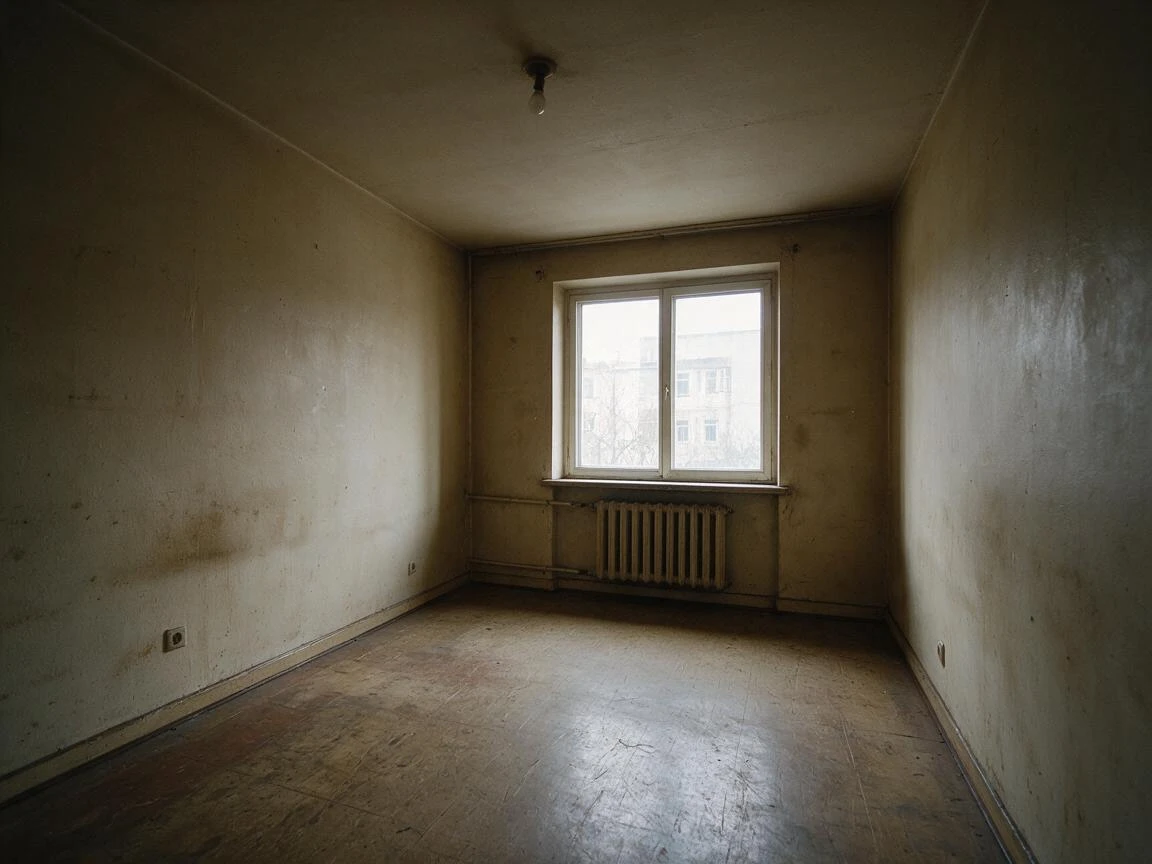
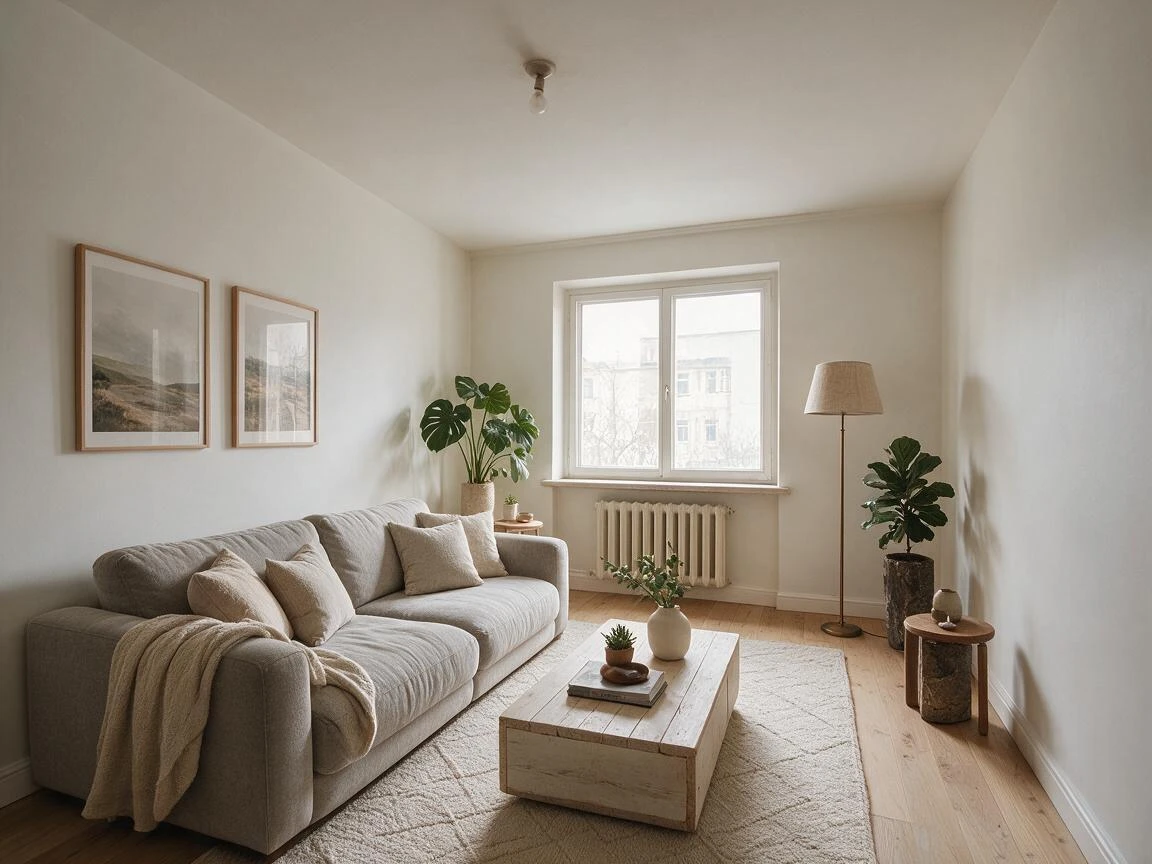
Declutter the way a photo would: floors bare except furniture, counters down to one or three objects, personal photos and mail filed away. Remove a third of anything on walls or shelves. Buyers opening closets is a cliché because they do it — make the closets look roomy by taking out a quarter of their contents. Pack for a move you've already decided on; the boxes go to the garage or storage.
Two days out: repair the visible small stuff
Burnt-out bulbs (and mismatched color temperatures), dripping taps, squeaky hinges, the doormat, cracked caulk. None of these is a dealbreaker alone; collectively they read as "what else has been deferred?"
One day out: clean and light
Windows inside and out — the single highest-return cleaning task, because light is the product. Floors, kitchen, bathrooms to hotel standard. Set every room to its best light: blinds open, all lamps on, warm-white bulbs throughout.
The morning of: stage and scent
Fresh flowers or a bowl of citrus in the kitchen, beds with crisp linens, towels folded. Ventilate early rather than masking — neutral air with one quiet note (clean linen, fresh bread) beats any heavy fragrance, which buyers read as hiding something. Soft background music at the door, temperature a notch comfortable.
Final hour: the stranger's walk
Enter through the front door as a buyer would and note the first three things your eye finds. Those three are the visit.
The five non-negotiables
If the calendar collapses, these five survive. They're ranked by how much a buyer reads them.
- Surfaces and floors clear. Counters, tables, and floors down to furniture and two or three objects. Clutter reads as insufficient storage, which reads as a reason to keep looking.
- Every bulb working, every blind open. Light is the product being sold; a dark room is a deduction.
- Hero rooms set at their best angle. Buyers' agents rank the living room (37%) and primary bedroom (34%) as the most important rooms to stage, per NAR's 2025 Profile of Home Staging, and 83% of buyers' agents say staging helps buyers picture living there. Set the sofa group, angle the bed toward the light, leave the guest room alone.
- Kitchen and bathrooms hotel-clean. The two rooms buyers inspect with their hands, not just their eyes — for the second one, see how to stage a bathroom for sale.
- Air neutral, temperature comfortable. Ventilated early, one quiet scent at most, heat or cooling set for a crowd.
Almost everything else in this piece is a gradation of these five. Most of them cost nothing — the budget logic lives in the cheapest way to stage a home.
The 48-hour countdown at a glance
| When | Task | Done means |
|---|---|---|
| 48 hours out | Declutter rooms, surfaces, closets | A third of everything gone; boxes out of the house |
| 48 hours out | Fix visible small failures | Bulbs matched and working, taps quiet, caulk intact, doormat new |
| 24 hours out | Clean windows, floors, kitchen, bathrooms | Windows clear inside and out; bathrooms read as a hotel |
| 24 hours out | Set the light in every room | Blinds open, all lamps on, warm-white throughout |
| Morning of | Stage and scent | Beds crisp, towels folded, flowers or citrus out, air ventilated |
| Final hour | The stranger's walk | Front-door entry checked; first three things the eye finds are the right three |
What not to do the week before
- Don't experiment with paint. A new color days before the visit risks both the smell and the result. If walls need it, repaint well ahead in a neutral that sells.
- Don't shampoo carpets the morning of. Damp carpet smells stronger than any clean. Do it 48 hours out so the house dries and airs.
- Don't half-finish a staging project. A living room styled halfway reads worse than a clean plain one.
- Don't stay home. Buyers hurry and whisper in front of the seller. Take the dog, take the car, and let your agent work.
- Don't leave mail, medication, or valuables in sight. Fifty strangers will open every closet you didn't get to.
Want the photos to match the door? Stage the main rooms to see each space at its best angle first — free renders here.
FAQ
What are the most important things to do before an open house?
Clear every surface and floor, fix the small visible failures — bulbs, taps, caulk — clean the kitchen and bathrooms to hotel standard, set each hero room's light and best angle, and get the air neutral. Work in that order: if time runs out, the earlier items matter more.
Should the seller be home during an open house?
No. Buyers cut their visits short and stop saying what they think when the owner is in the room — and their unguarded comments are information your agent needs. Plan to be out, pets included, for the whole window.
How far in advance should you start preparing?
Forty-eight hours of focused work covers most homes, which is why the countdown above starts there. Add two weeks if paint or repairs are involved, and another week if the home needs a real decluttering pass — the one task that reliably overruns its estimate.
Do open houses actually sell the house?
Rarely on the spot — the buyer who signs usually comes back for a private, quieter second look. The open house's job is concentration: it compresses attention into one weekend, surfaces objections early, and occasionally produces the neighbor's cousin who has been waiting for this street. Preparation is what those forty minutes are made of.
Compare
Related questions
Related tool
