
What is sky replacement in real estate photos?
By Goodesign AI · Updated 2026-10-16
Sky replacement swaps a washed-out or overcast sky in an exterior photo for a blue or dusk one, then rebalances the whole frame's light to match. Exterior listings shot on grey days recover most of their click-through this way — the house never changes, only the mood above it.
Sky replacement swaps a flat, overcast, or blown-out sky in an exterior photo for a convincing blue or dusk one — and, just as important, rebalances the light on the house so the new sky looks native. Modern tools do both in one pass: they mask the sky out to the last gutter corner, drop in the replacement, and shift the scene's color temperature so the roofline shadow matches the new light direction.
Why exterior listings need it so often
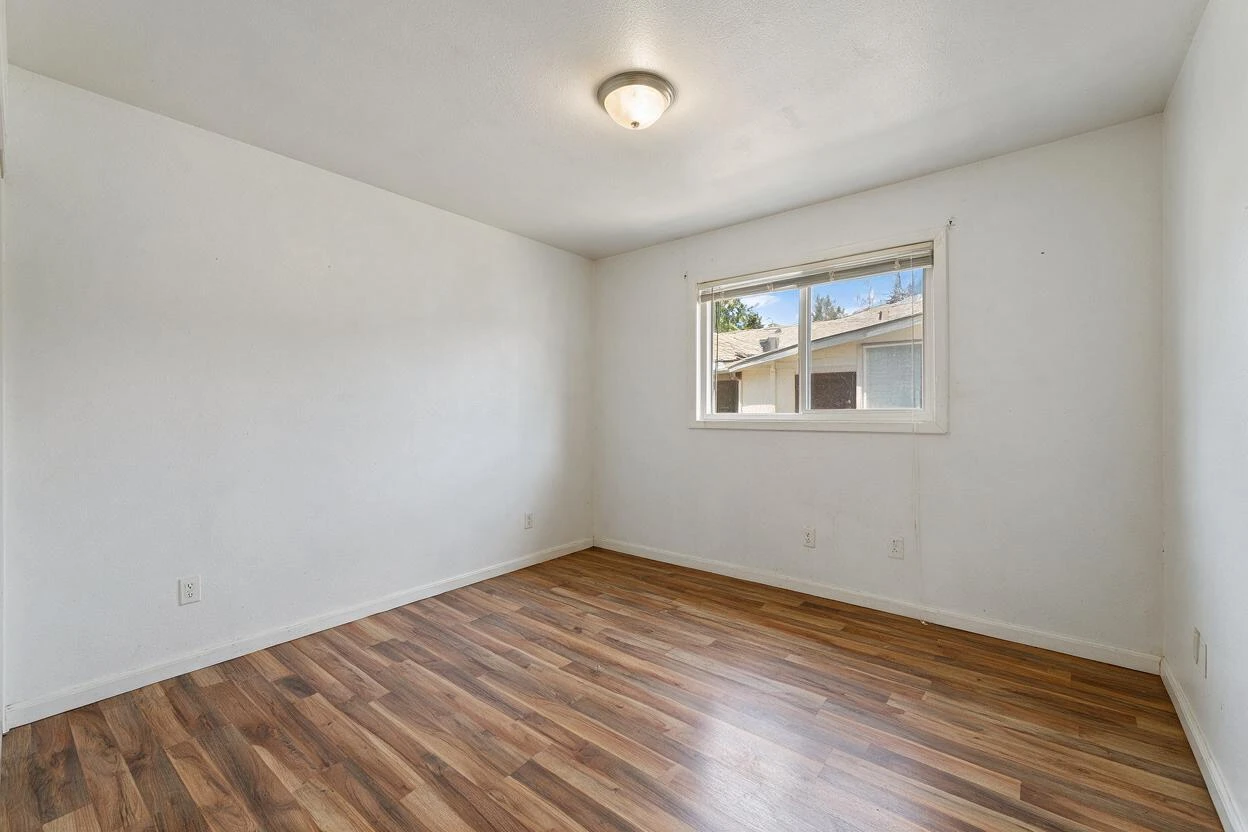
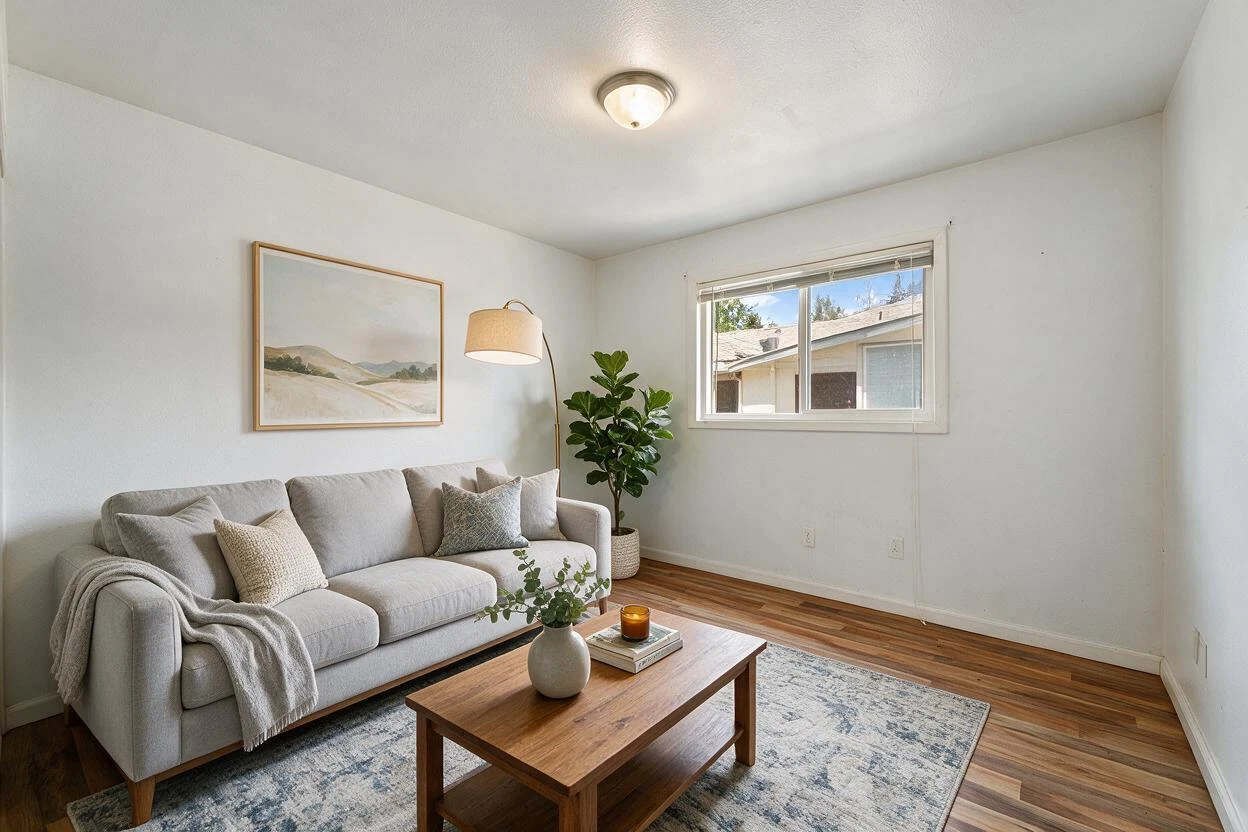
Shoot days are chosen by appointment, not weather, and a grey sky costs real clicks: the same house photographed under blue sky draws measurably more taps in portal grids, because a blue-sky thumbnail reads as "well-kept" before anyone examines the house. The building never changes — only the mood above the roofline.
The stakes are bigger than one frame. Photos are the listing field buyers rank first — 81% of buyers call photos the most important listing information — and exteriors win most of the click decisions in a search grid. A listing whose hero was shot under a wet February sky is competing against identical houses photographed in May. Sky replacement closes the calendar gap that scheduling can't.
Where the line sits
Replacing weather is standard, disclosed-when-asked photo finishing, like HDR. What crosses the line is changing the property: a new sky must not come bundled with painted-in repairs, added landscaping, or a lawn that doesn't exist — and anything structural shown in the frame must be real. Weather is presentation; the house is fact.
Sky replacement vs day-to-dusk: which needs a label
The two edits are cousins — both relight the sky — and the disclosure rules treat them as siblings. California's AB 723, effective January 1, 2026, requires disclosure and access to the original photo when an image adds, removes, or changes elements visible from the property, including the surrounding scene; MLS guidance written for the law uses a dusk conversion as its worked example of an altered image, and a sky swap sits in the same column. Wisconsin goes further and names it outright: its 2027 requirements will cover replacing skies alongside virtual staging and removed visual elements. New York's Department of State has already put buyers on alert about manipulated listing photos.
| Edit | What changes | Practical treatment |
|---|---|---|
| Sky replacement, blue for grey | Weather mood above the roofline | Label as edited; keep original available |
| Day-to-dusk conversion | Time of day, sky, window glow | Label as edited; keep original available |
| Brightening, white balance, cropping | Presentation only | No disclosure — explicitly exempt under AB 723 |
| New lawn, painted facade, removed power lines | The property itself | Disclose — or, better, don't do it |
So the honest answer to "which needs a label" is: both relighting edits, in California and wherever the copycat rules land, while pure light-and-color corrections remain free everywhere. The workflow that survives every version of the rules costs nothing: publish the improved frame, note "sky edited" or "photo edited to show twilight," and keep the original reachable. Where the line sits for dusk conversions specifically gets its own treatment — same statute, different edit. And to see the relationship mechanically: a day-to-dusk conversion starts from the same exterior frame as a sky swap, then goes further — relighting the house, the windows, and the landscaping along with the sky.
Reflections are where replacements fail
The sky doesn't stop at the roofline, and neither should the edit. A new blue sky has to appear, dimmed and slightly warped, in every window pane, every pool, every wet driveway and car roof the original frame caught. Software handles the big reflection and misses the small ones — a pane in the transom window still holding a grey sky while the picture window went blue is the tell that unmasks the whole frame. Check reflections before you publish; they're the difference between an edit buyers never notice and one they screenshot.
What good looks like
Edges clean at the gutter and through tree branches, reflections consistent (a new blue sky must appear in the windows and the pool), and brightness believable — a dusk sky with full-noon lighting on the facade fools nobody. And once the frame passes, it still has to earn its slot — see what makes a good listing hero shot.
Fix a grey-day exterior in one pass: replace the sky on your photo — upload it and see the same house under a clean blue sky.
FAQ
Is sky replacement allowed on the MLS?
Yes, with disclosure. No major MLS bans swapping weather; the rules treat an altered image as something to label — California's AB 723 requires disclosure plus access to the original, and Wisconsin's 2027 rules name sky replacement explicitly. Check your local MLS's photo rules, label the edit, and keep the original photo available.
Do edited listing photos have to be disclosed?
When the edit changes elements of the property or its surroundings, yes. The exempt list — lighting, sharpening, white balance, color correction, cropping, exposure — covers presentation fixes only. A new sky changes the scene above the house, which MLS guidance and the new statutes consistently treat as an alteration worth a one-line label.
Does sky replacement count as virtual staging?
No — different edit, different label. Virtual staging adds furniture and decor to rooms and carries a "virtually staged" label; sky replacement alters an existing photo and carries a "digitally altered" or "photo edited" note. Both share the same principle: label what was added, and never let either one touch the building itself.
Why do so many listing photos have identical blue skies?
Because shoot days are set by appointments rather than weather, and grey-sky heroes lose clicks in portal grids — so agents and photographers routinely swap the sky afterwards. It's disclosed photo finishing in the same category as HDR merging: the house is untouched, the weather is negotiable.
Compare
Related questions
Related tool
