
How much does home staging increase sale price?
By Goodesign AI · Updated 2026-10-16
Industry surveys put the typical staged-home premium at roughly one to five percent over comparable unstaged listings, with staged homes also selling faster. The exact lift depends on market, price band, and photo quality — staging works mostly through better pictures, not better furniture.
Staging's effect on price is real but often misquoted. The honest range from industry surveys: staged homes sell for roughly one to five percent more than comparable unstaged listings, and usually faster. On a $500,000 house, one percent is $5,000 — several times the cost of virtual staging and comparable to a modest physical staging bill.
Where the number comes from
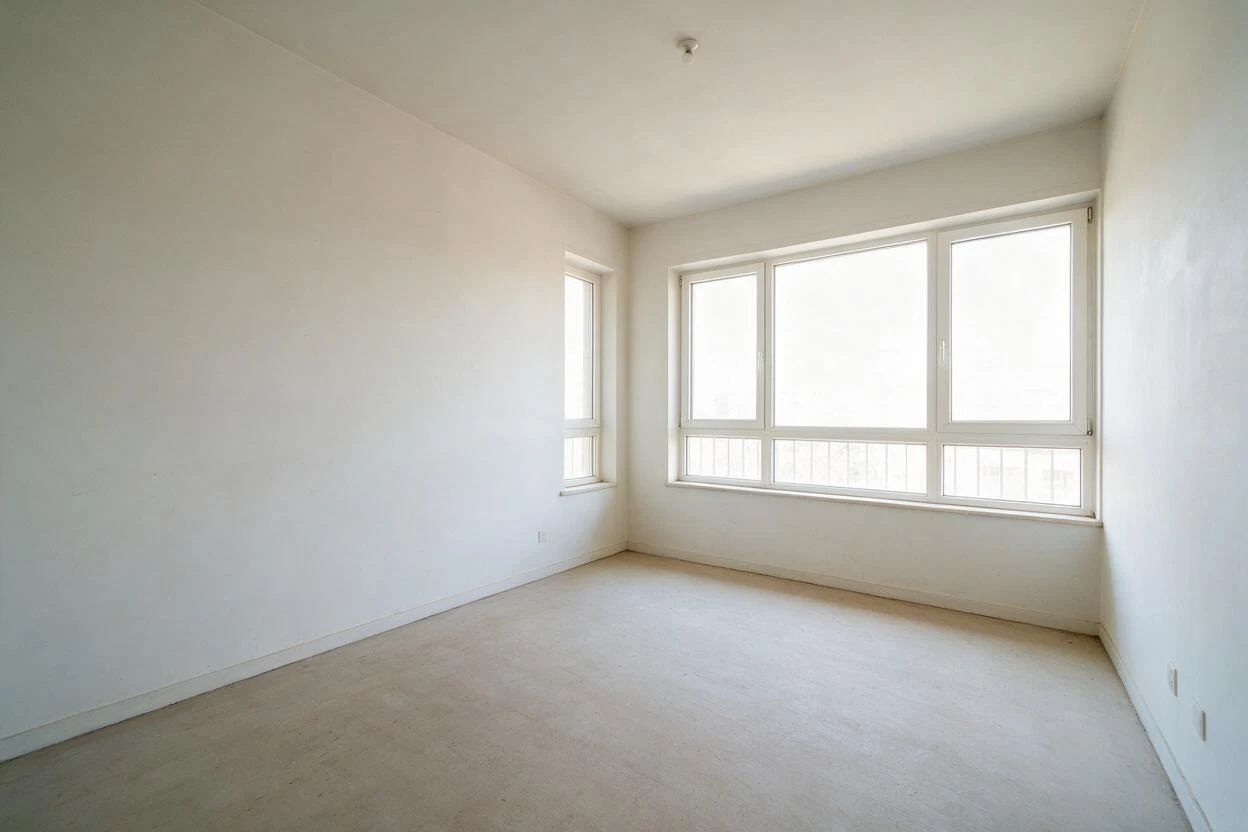
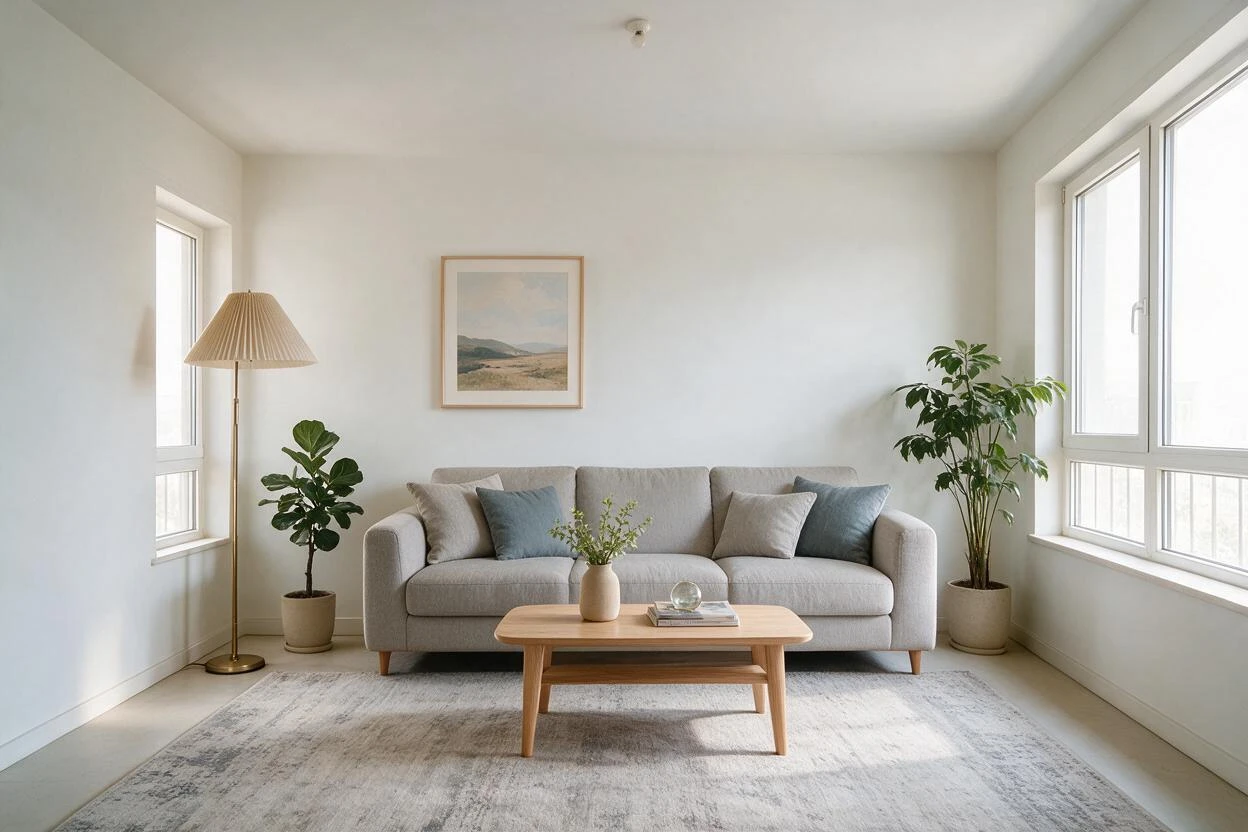
Surveys by staging associations report that a large majority of sellers' agents believe staging raises offers, with typical premiums in the one-to-five-percent band. Treat these numbers as directional, not laboratory results — the surveys are industry-run and self-selected. The finding that repeats across every study is the speed effect: staged listings spend fewer days on market.
The most-cited recent datapoint: NAR's 2025 Profile of Home Staging found 29% of sellers' agents attributing a 1–10% increase to staging and 49% saying it shortened time on market. That's the opinion of 1,266 practitioners, not a controlled study — but it's the broadest sample the industry has, and the direction is consistent.
What the 2025 NAR data actually says
| Finding | Share of agents |
|---|---|
| Sellers' agents: staging shortens time on market | 49% |
| Sellers' agents: staging lifts offers by 1–10% | 29% |
| Buyers' agents: staging helps buyers visualize the home | 83% |
| Agents citing the importance of listing photos | 73% |
| Median staging cost reported | $1,500 |
Notice what the table doesn't say: nobody measured an average premium, because nobody can. Every number above is an agent's judgment about listings they've touched. The 1–10% band reported by 29% of sellers' agents is the closest thing to a price answer anyone has.
Why staging moves price at all
The mechanism is photography, not furniture. Buyers shortlist from photos; a staged room photographs with depth, scale, and a story, while an empty one photographs as a floor plan. Better photos mean more clicks, more clicks mean more showings, and more showings mean competition — which is what actually lifts the final number.
That's why the 83% visualization figure deserves the most weight. Staging's price effect runs through buyer imagination, and imagination happens at the thumbnail. It's also why photography quality itself pays — professional photos earn their keep for related reasons.
How much staging you need for the effect
Not every room: hero spaces carry most of the value. Living room, kitchen, primary bedroom, and the exterior entry do the heavy lifting; secondary bedrooms and bathrooms need decluttering more than furniture.
NAR's 2025 data agrees room by room: agents named the living room most important (37%) and the primary bedroom second (34%). Spend where buyers spend time, and let the spare bedroom slide.
The cost side of the equation
Physical staging runs roughly one to two percent of asking price for a full install. Virtual options cost a small fraction of that, which is why the ROI math now works at almost every price band, not just in the luxury segment.
Concretely: NAR puts median staging spend at $1,500 and HomeGuide's survey (quoted secondhand by HomeLight) at $1,500–4,000 for a first month, while AI virtual staging runs from $0.17 per image to a few dollars — with free tiers that stage a small listing for nothing. The line items are in what virtual staging costs.
Run your own math: stage your main rooms virtually, compare before and after, and judge whether the five-figure argument holds for your listing — start with a free preview.
What staging statistics can (and can't) tell you
The boldest numbers in circulation come from RESA's 2025 Q1 report: homes staged by its members sold at 107% of list price, an average of $56,000 over asking, after 12 days. Quote those only with both qualifiers attached — self-reported by a staging trade association, from a sample of 84 properties. HomeLight's survey of top agents suggests staging can add as much as 13% — also a survey estimate, and a best case rather than a promise.
What the numbers can tell you: direction (positive), mechanism (photos and visualization), and rooms that matter (living room, primary bedroom). What they can't tell you is your premium. Staged homes aren't randomly assigned; agents stage homes they already expect to sell well. Assume correlation, not causation — then run your own before/after and trust that.
A worked example: the $500,000 listing
One percent of the price is $5,000. Physical staging chases that with a $1,500–4,000 bill, so it needs roughly a 0.3–0.8% lift to break even — a real bet, placed with real furniture. Virtual staging chases it with $0–150, which clears at a lift of about 0.01%. When the downside is a coffee's worth of compute, the experiment answers itself. Stage the hero rooms, watch the gallery's click pattern, and keep what works.
FAQ
What percentage more do staged homes sell for?
Surveys put it around 1–5%; NAR's 2025 report has 29% of sellers' agents citing 1–10% uplifts; RESA's over-ask figures are larger but rest on 84 self-reported properties. Anyone quoting one precise universal premium is selling something.
Do staged homes sell faster?
49% of sellers' agents in NAR's 2025 survey said yes, and the speed effect repeats across surveys more consistently than the price effect. Faster sales mean fewer carrying costs and less price-cut pressure — money even when the final price barely moves.
Is staging worth it for a $500,000 house?
The math usually works: NAR's median staging spend is $1,500, one percent of the price is $5,000, and virtual staging costs a fraction of either. At that asymmetry the listing only has to nudge buyers slightly for staging to pay for itself.
Which rooms add the most value when staged?
Living room first — 37% of agents named it most important — then the primary bedroom at 34%, per NAR's 2025 report. Kitchen, dining, and the entry follow; secondary bedrooms mostly need decluttering rather than furniture.
Compare
Related questions
Related tool
