
Do professional interior designers use AI?
By Goodesign AI · Updated 2026-10-16
Roughly three in ten do today — adoption tripled between 2023 and 2025 — and nearly all of them confine AI to concept work: style options, layout tests, client previews. The economics explain why: visualization that once took days now takes an afternoon, while measuring, sourcing, and installation remain skilled, billable human work. When you hire, ask where the render ends and the designer's own judgment begins.
Most professional designers now use AI somewhere in their workflow, usually for the early stages: generating style options, testing layouts, and showing clients visuals before anything is bought. What they don't do is hand the project to the machine — AI output is a fast draft, and the specification, sourcing, and installation work that defines the profession still happens after the render.
What the adoption numbers actually show
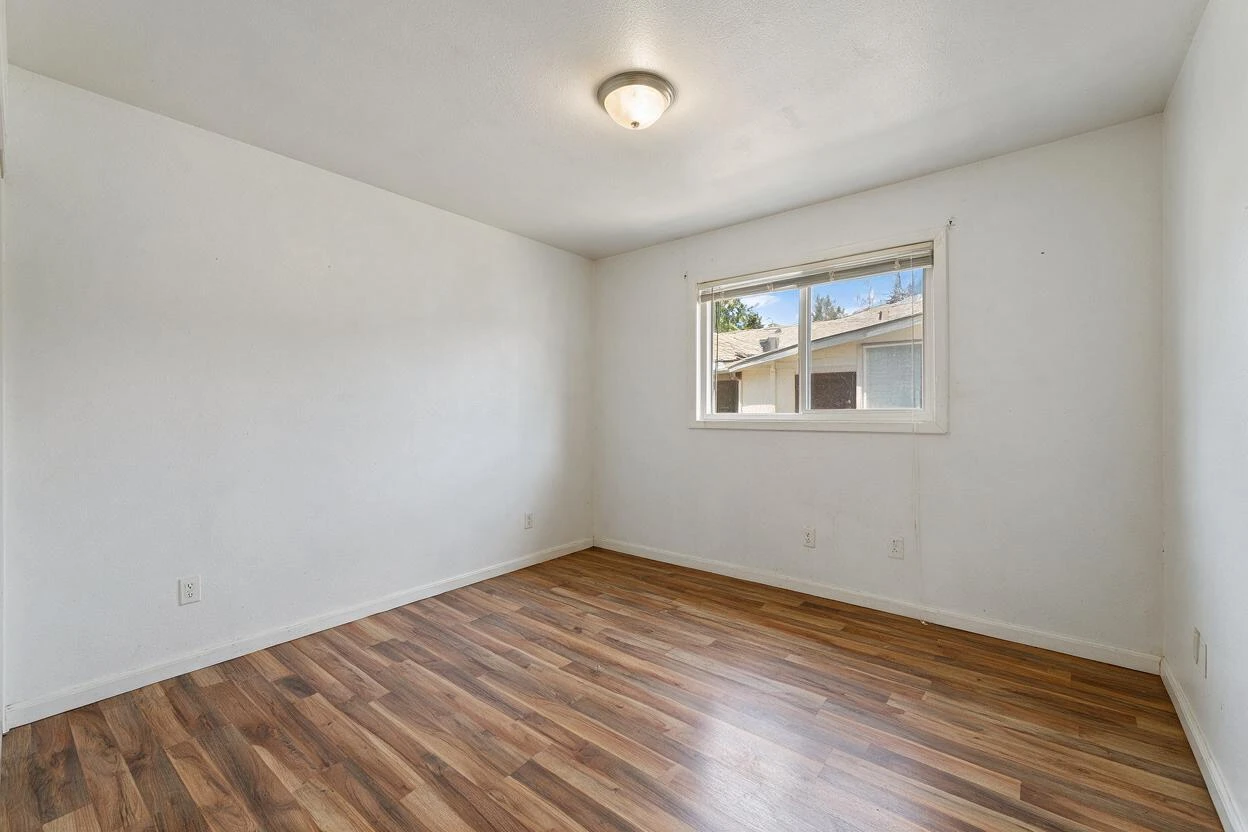
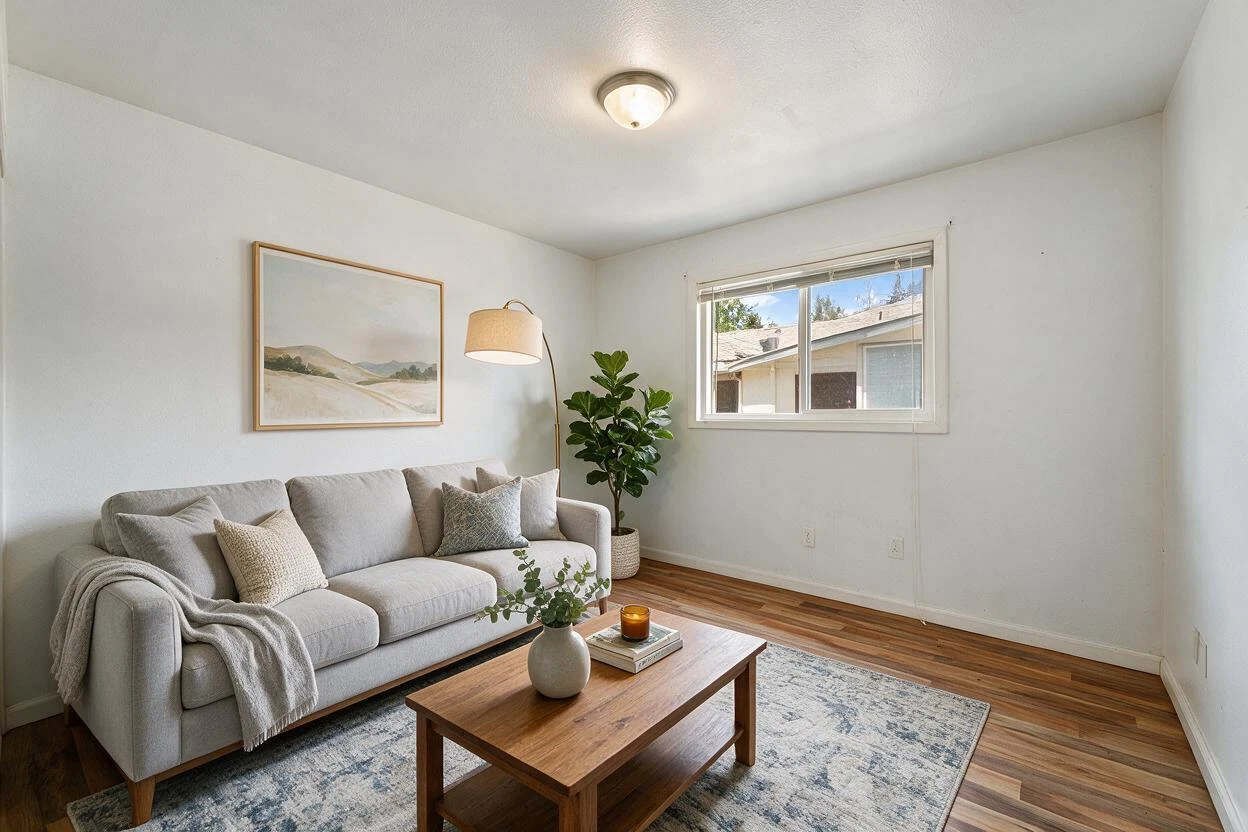
The clearest data comes from 1stDibs' annual survey of design professionals. Their 2026 trend report, based on a survey of 468 interior designers, found 29% had adopted AI tools in 2025 — triple the 9% who had two years earlier, in 2023. Another 20% said they planned to integrate AI soon, while 24% described themselves as strongly against using it in their practice. Those numbers are worth reading carefully: this is a profession mid-conversion, not one that has settled. Roughly half of designers are using or actively moving toward AI, roughly a quarter want nothing to do with it, and the rest are watching. Renderings and client presentations are where adopters report using it most.
Where AI fits in a designer's process
Concept first: a designer can produce six visual directions for a client meeting instead of one, which turns "I'll know it when I see it" into an actual decision. Layout testing comes second — checking whether the sectional blocks the walkway before the CAD drawings start. Client communication third: a render of the planned room sells the scheme to a spouse or a committee faster than a mood board. What ties all three together is that the AI output is never the deliverable — it's the artifact that gets the client to yes, faster and with fewer misunderstandings, before real money is committed.
Using AI for drafts is not delivering AI designs
That gap is the whole story. A designer "using AI" is using it the way they'd use a fast junior renderer: to produce options, at volume, early — while the judgment, the sourcing, and the accountability stay human. The 24% who refuse AI aren't refusing a finished product; they're refusing the draft stage, usually because they don't trust the output's accuracy or because they feel the concept phase is where their value lives. Both camps, interestingly, agree on the underlying point: what AI currently produces is not something a project can be built from directly. It's something a project can be decided from.
What designers still do that AI can't
Measure accurately, specify real products with real lead times, manage trades, catch the code and safety issues, and hold taste steady across a six-month project. The render is the pitch; the designer is the delivery. None of that work shows up in the output clients see first, which is exactly why the rise of AI visuals hasn't collapsed the profession — what AI can replace and what it can't divide cleanly along the line between deciding and executing.
What this means for homeowners
The gap between a designer's output and a good AI render has narrowed — which is leverage. Use AI to explore and decide what you want, then pay a designer for execution if the project needs it, or carry the look yourself if it doesn't. Just be realistic about accuracy: renders show intent, not measured fact, and anything load-bearing — furniture that must fit, walls that must stand — deserves a human check.
Try the first step of a designer's process on your own room: upload a photo and generate style directions free — then restyle the surfaces and textiles to see a scheme in place before you brief anyone.
FAQ
Do interior designers use AI?
A large and fast-growing share do. In 1stDibs' 2025 survey of 468 design professionals, 29% had adopted AI tools — up from 9% in 2023 — with another 20% planning to adopt soon. Renderings and client presentations are the most common uses, and most treat the output as a fast draft rather than a finished plan.
Will AI replace interior designers?
Not the parts that define the job: accurate measuring, specifying real products, managing trades and installations, and holding a project steady for months. AI compresses the concept phase; it doesn't run the project. The designers most exposed are those selling only pretty pictures — which was never most of the profession.
What AI tools do interior designers use?
Mostly photo-based tools that turn a room image into style drafts and variations for client meetings, plus general-purpose models for mood boards and quick layouts. The specific stack varies studio by studio, but the pattern is consistent: high-volume visual exploration early, human judgment and sourcing after.
Related questions
Related tool
