
Which furniture styles work best for virtual staging?
By Goodesign AI · Updated 2026-10-16
Broad, widely loved directions stage best — modern neutral, Scandinavian, japandi, transitional, soft contemporary: clean to photograph, hard for buyers to object to. Save niche styles for owner-occupied redesigns; a listing's job is to please a crowd, not express a taste.
The render can produce almost any style you name. The question is which styles help a listing sell, and the answer is governed by one rule: staging is advertising, not self-expression.
The reliable five
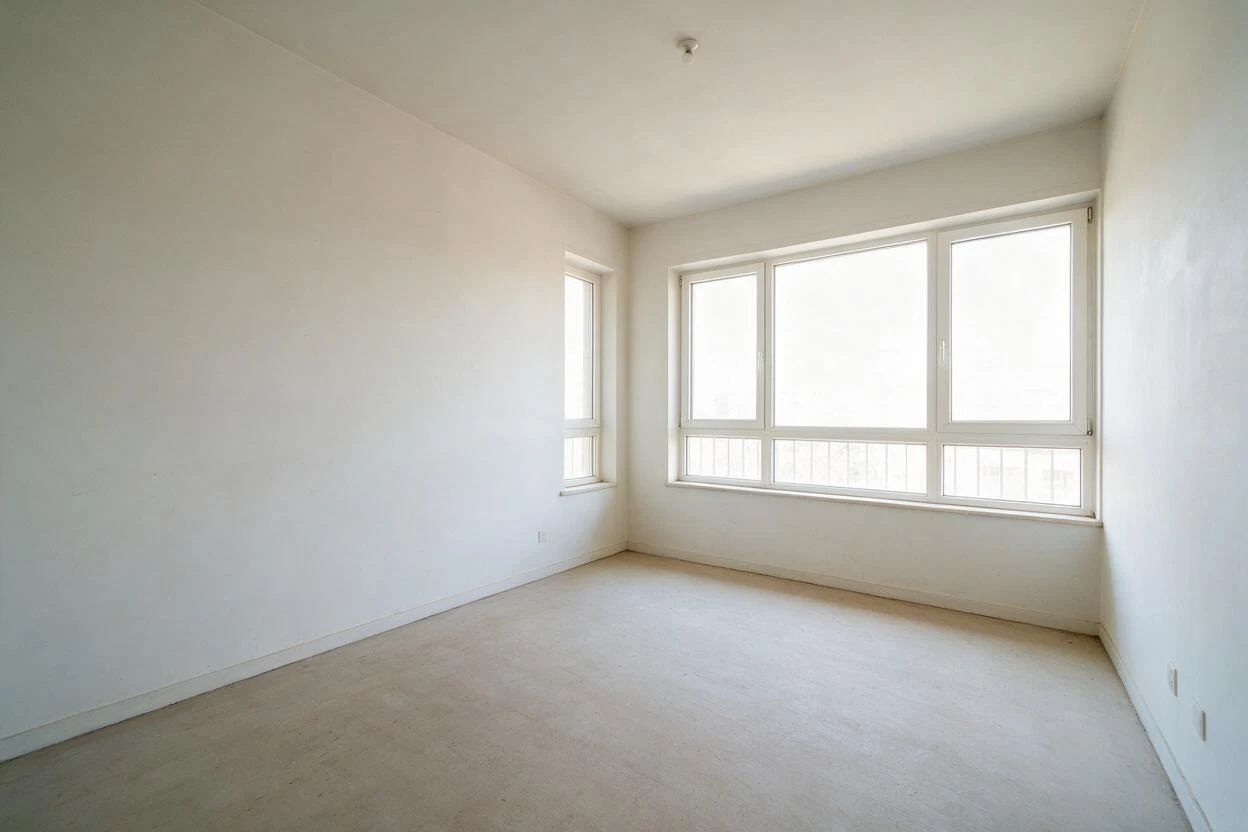
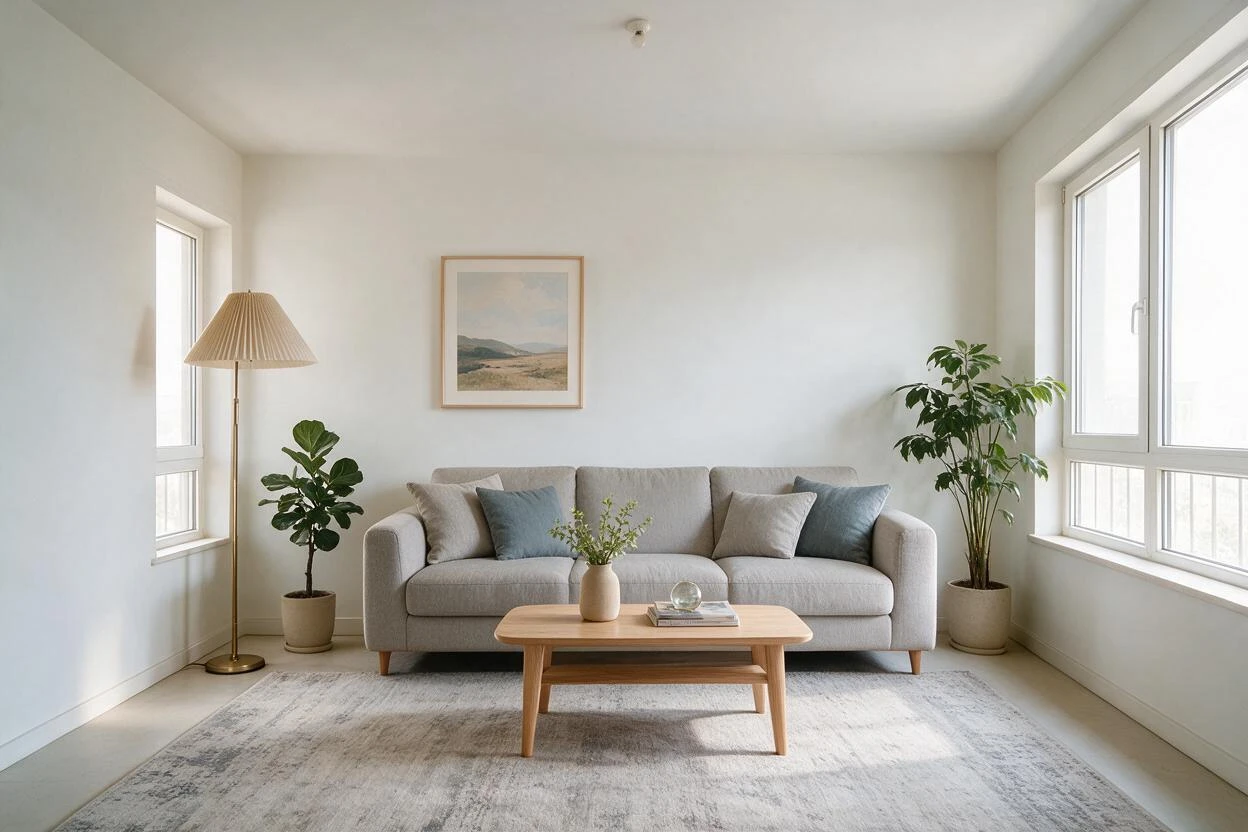
Modern neutral (greige sofas, pale oak, black accents) suits condos and new builds. Scandinavian — blond wood, white walls, soft textiles — flatters small rooms and good daylight. Japandi's warm minimalism reads upscale without being cold. Transitional (upholstered heads, soft curves, muted color) fits suburban family homes. Soft contemporary with a few earth tones covers everything else. These five photograph well, render cleanly, and match what most buyers already imagine for themselves.
The five aren't arbitrary — they're the styles a buyer's eye has already been trained on by years of catalogs, model homes, and scrolling. NAR's 2025 survey found 83% of buyers' agents say staging makes it easier to picture the property as a future home, and picturing is easiest when the furniture looks like the version of the future the buyer already has saved in a phone album. Familiarity is the point, not the compromise. For one of these five in depth, see what japandi style is.
Why niche styles underperform on listings
A bold maximalist or strict industrial render will delight some viewers and quietly eliminate others — and eliminated buyers don't book viewings. The goal is the widest possible "I could live here" response, which means middle-of-the-road warmth executed well, not a designer statement.
The styles that render well — and the ones that fight the model
Style choice is also a technical decision, because AI models render some furniture far better than the rest. Clean geometry wins: boxy sectionals, slat-wood sideboards, round boucle chairs, simple beds with straight headboards. These shapes sit on the internet in millions of photos, so the model knows exactly how their shadows fall. Mid-century works for the same reason — tapered legs and tight upholstery are everywhere in training data.
The fights start with the ornate and the fussy. Deeply carved armoires, tufted chesterfields, canopy beds, and chandeliers dripping with crystals tend to come back melted at the edges — scrollwork that doesn't quite repeat, buttons that drift off their diamonds. High-gloss surfaces and wall-to-wall mirrors fight the lighting model, because reflections have to invent a room that isn't in the photo. Heavy maximalist layering — four patterns, eight pillows, art to the ceiling — asks the model to keep too many objects in coherent relation, and one of them usually comes out warped. If the brief genuinely needs that look, that's the hour to hire a human retoucher. For everyone else: the simpler the silhouette, the fewer tells.
Match the architecture, not the trend
A brick loft carries leather and blackened steel; a stucco ranch reads right with rattan and linen. Let the bones of the room pick the direction, because buyers notice when a render fights the building.
Match the neighborhood price point
Renders that look more expensive than the asking price create suspicion; renders far below it undersell. Aim one polite tier above the listing's bracket.
One style per listing, not per room
A gallery is read as a single house. If the living room renders japandi, the kitchen installs industrial stools, and the primary bedroom goes full Hollywood glamour, buyers don't see range — they see three listings stitched together, and the dissonance reads as something being hidden. Pick the direction once, for the whole photo set, and let rooms vary only in intensity: the hero living room gets the full treatment, the hallway gets the same woods and one chair.
Consistency also has a practical side. The same palette across rooms makes touch-up edits easier — swap the sofa in the living room and nothing else needs to change — and it survives the scrutiny of a buyer who opens every photo, which is exactly the buyer you want. This discipline matters double when some rooms are physically staged and others rendered; mismatched rooms are one of the most common virtual staging mistakes.
Test before you commit
Because regenerating costs almost nothing, run the same room through two candidate styles and sit with both images for a day — the wrong one usually announces itself.
You can compare styles on your own room: swap furniture styles in one click, or upload a photo free and render the same space three ways.
FAQ
What furniture style sells a house best?
The broadest-appeal one: transitional or modern neutral — muted color, soft curves, wood tones most people already own something to match. Buyers' agents consistently rank staging by how well it lets buyers picture themselves in the home, and middle-of-the-road warmth pictures easiest. Save the strong point of view for your own living room.
Can virtual staging restyle furniture I already own?
Yes — that's occupied virtual staging. The photo keeps your room's walls and windows while the existing sofa, bed, or clutter gets swapped or restyled digitally. It's the standard fix when the seller can't vacate before the shoot and the furniture predates the listing by a decade.
Should every room in a listing use the same staging style?
Yes — one direction for the whole photo set, varied only in intensity room by room. A japandi living room beside an industrial kitchen reads as two different houses and erodes trust in every photo. Consistent woods, palette, and formality are what make a gallery feel like a home.
Which styles does AI render most convincingly?
Clean, widely photographed silhouettes: boxy sectionals, Scandinavian wood, mid-century legs, round accent chairs. Ornate carving, tufted chesterfields, canopy beds, and heavy mirror work tend to render with melted edges or invented reflections — when a listing truly needs that look, a human retoucher is the safer spend.
Which style should I use in an older house?
Lean on the era lightly rather than fighting it: warm woods, simple silhouettes, and pieces that could plausibly have lived there. A 1970s ranch staged in modern farmhouse reads as a costume. When in doubt, transitional neutral is the safest bridge between the house's age and a wide buyer pool.
Does staged furniture need to respect real room dimensions?
Yes, and this is the failure buyers notice first. Ask for fewer, smaller pieces and leave visible walkways; a render stuffed wall to wall looks wrong even before anyone measures. State the room's approximate size in your instructions so the model keeps clearances plausible.
How much furniture should each room get?
Enough to define the function and nothing more: sofa, coffee table, rug and one accent in a living room; bed, two nightstands and a light in a bedroom. Empty floor reads as space, not emptiness, which is why sparse staging sells better than a fully furnished fantasy.
Compare
Related questions
Related tool
