
How long does virtual staging take?
By Goodesign AI · Updated 2026-10-16
Professional virtual staging services return each image in 24 to 72 hours; AI tools render a first version in under a minute. Physical staging takes one to two weeks of scheduling and delivery — the speed gap is a big reason empty listings now go virtual first.
Turnaround depends on who does the work. Professional virtual staging services quote 24 to 72 hours per image; an AI tool returns a first render in under a minute; physical staging needs one to two weeks of scheduling, delivery, and installation. That speed gap is a large part of why empty listings now go virtual first.
What the clock actually depends on
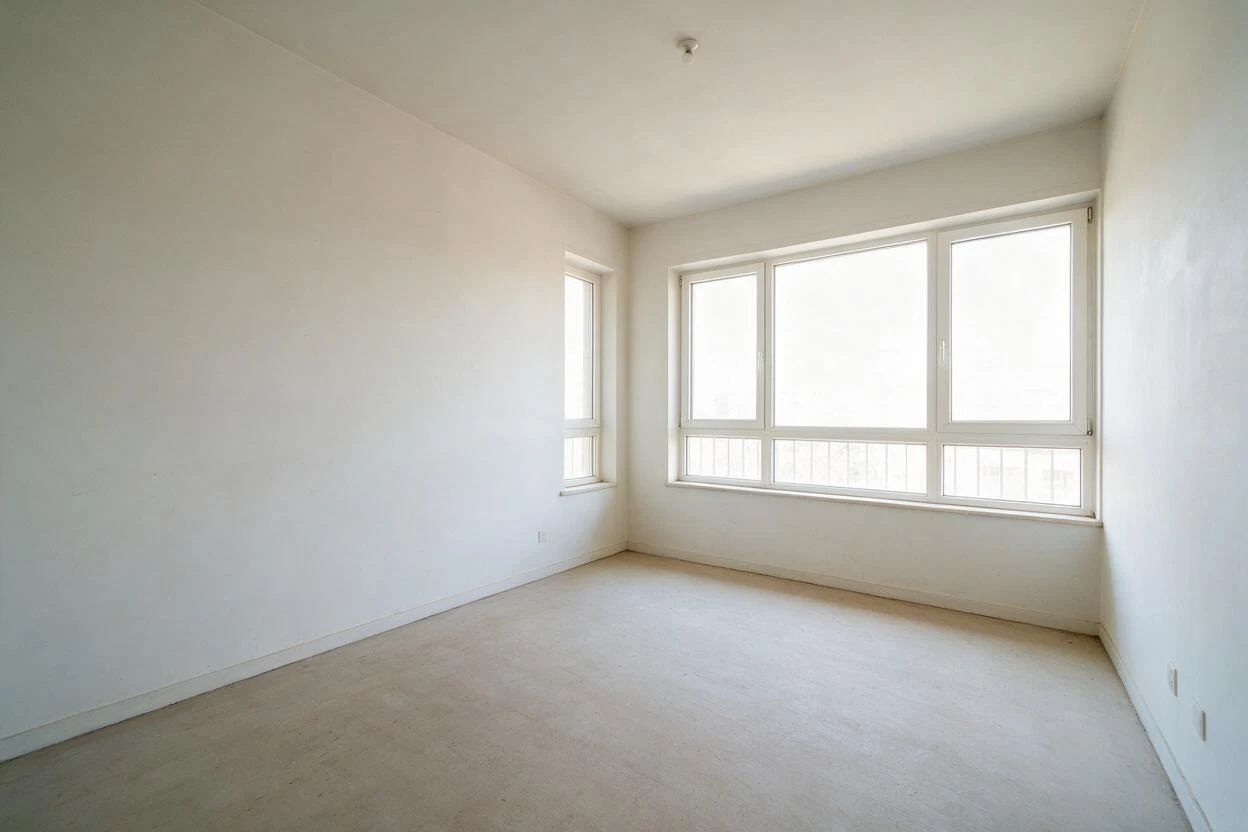
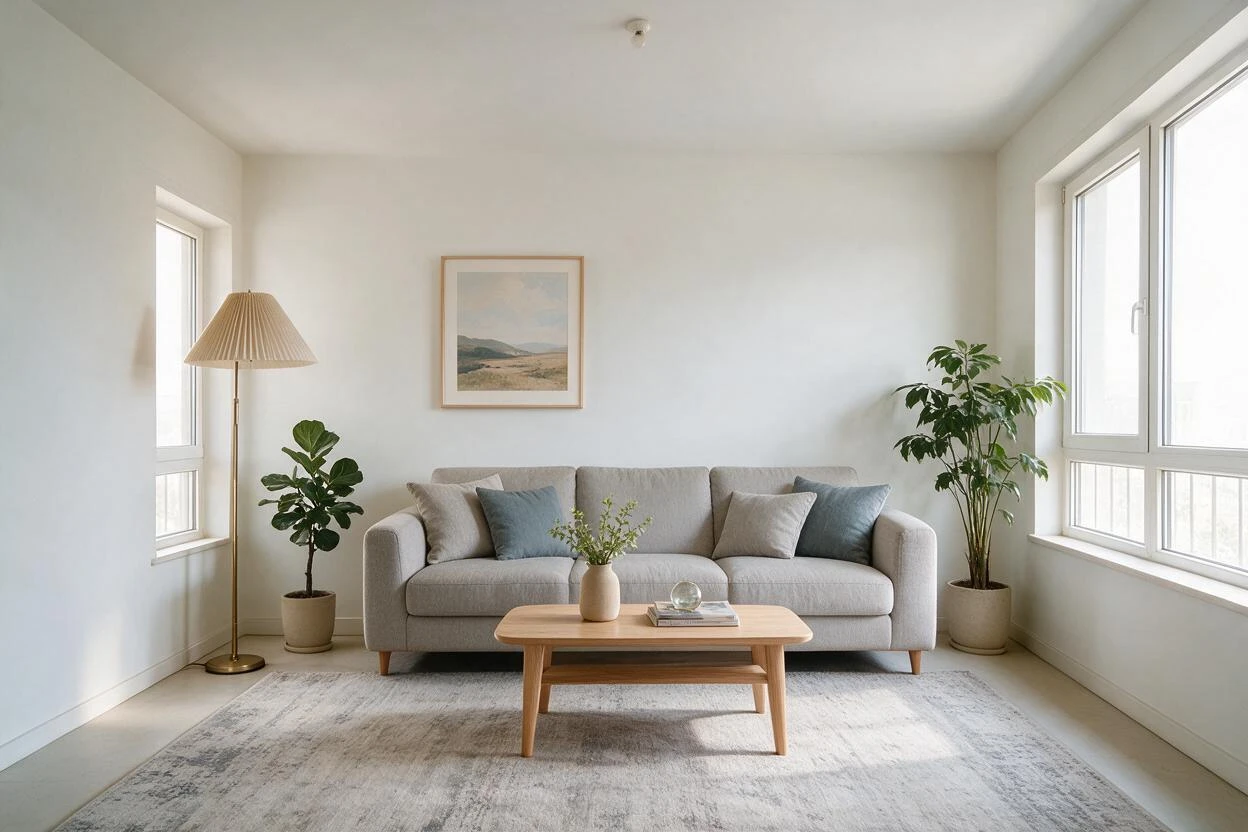
Photo quality comes first — a sharp, level, well-lit shot can be staged immediately, while a crooked or dim one needs correction before any furniture enters the frame. Room complexity runs second: a plain rectangular bedroom stages faster than an angled attic with built-ins. Revisions come third — every "swap the sofa" round-trip adds a day with a human service and seconds with AI.
There's a fourth variable people forget: queue depth. Human retouchers work image by image, and a busy week in a popular market pushes your order behind everyone else's. That's why the same service can deliver in 30 hours on Tuesday and 70 on Friday. AI has no queue — the thousandth render of the day takes as long as the first, which is what makes "staged before your coffee cools" a real sentence instead of marketing copy.
AI versus human turnaround
The instant render is real: modern tools stage a room while you wait, and iterating on the result costs nothing. Human services trade speed for polish — a retoucher hand-corrects the shadows, scale, and reflections an algorithm misses. Many sellers use both: AI to test styles in minutes, then one paid polish on the chosen version.
AI minutes vs human 48 hours
The numbers side by side, so the trade-offs have a scale:
| Route | Typical turnaround | What sets the pace |
|---|---|---|
| AI virtual staging | 15–60 seconds a render; regenerates free | Your typing speed and how fast you judge results |
| Human virtual staging | 24–72 hours standard; BoxBrownie quotes 48 hours | Editor queues, revision round-trips |
| Physical staging | 1–2 weeks before the first photo | Consultation, furniture sourcing, delivery, install |
| Empty listing, no staging | Zero — and 91% of staged listings include the living room per NAR's 2025 survey | How much the photos cost you in buyer attention |
Read the table as a decision, not a ranking. If the listing goes live tomorrow, AI or a rush order with a human service is the whole menu. If the shoot is next week, you have room to run AI drafts now and send the winner to a human retoucher without costing yourself a day. The only route that doesn't compete is no staging at all — an empty room saves a morning and spends the entire listing period looking colder than it is.
A same-week timeline that works
Here's what the speed gap looks like stretched across a real listing: shoot the empty rooms Monday morning while the light is clean. Run AI drafts Monday afternoon and shortlist a style per room that evening. If any photo deserves the human pass — a hero living room on a premium listing, an angled attic the AI keeps misreading — send it to a service Monday night and their 48-hour clock lands proofs Wednesday. Approve or revise Wednesday night, receive Thursday, and the listing goes live Friday with every room furnished.
Run the same week through physical staging and you're still in the furniture-sourcing phase on Friday, and the listing goes live empty. That's the difference this whole article is about, experienced one week at a time — and why even sellers who eventually stage physically preview the rooms virtually first.
When speed actually matters
If a listing goes live Friday, staging on Thursday morning still works — but shoot early in the week anyway. Fast turnaround also lets you test two styles against each other before committing, which physical staging makes impractical.
Speed matters in quieter ways too. A price improvement announced mid-listing deserves fresh photos the same week, not a re-shoot. A listing that sat all summer can relaunch with a new style before the seller loses faith. And when a buyer's agent asks for a second bedroom view during offer negotiations, "this afternoon" is an answer that wins listings. The full trade-off against furniture trucks is covered in virtual vs physical staging.
How to keep it fast
Send photos shot at chest height with lights on, name the style plus two or three anchor pieces, and batch every room into one order instead of trickling requests.
Batching deserves the emphasis: one order with eight rooms and clear instructions per photo turns around faster than eight separate orders, because the editor holds the whole house's palette in their head and stops asking which white you meant. With AI the equivalent discipline is a decent prompt — style, three anchor pieces, mood — so the second render, not the sixth, is the keeper.
Test it right now: upload a room photo and see a staged version in under a minute — no scheduling, no waiting, no minimum order.
FAQ
How long does virtual staging take?
Anywhere from under a minute to 72 hours. AI tools return a staged render in 15–60 seconds; human services quote 24–72 hours per image, with 48 hours the common standard. Add a day per revision round with a human editor — AI regenerations are instant and usually free.
How fast can a listing photo realistically go from camera to listing?
Same day, if you stage with AI: shoot in the morning, render by lunch, pick the keeper, and the photo can be in the MLS by evening. A human-service version of the same day needs a rush order and some luck with the queue.
Why does physical staging take so much longer?
Because it moves atoms: a stager consults, sources furniture from inventory or rentals, schedules delivery and install, and reverses it all at the end. One to two weeks is normal before the photographer ever arrives — which is why virtual previews of the same room are now the default first step.
Does rushing virtual staging hurt the quality?
At human services, rush fees buy queue-jumping, not sloppier work — the retoucher still corrects shadows and scale by hand. With AI there's no rush tax at all: every render takes the same minute, and quality comes from the photo you feed it and the clarity of your prompt.
Related questions
Related tool
