
How do you describe materials and light in an AI room design prompt?
By Goodesign AI · Updated 2026-10-28
Name real materials — pale oak, travertine, bouclé — instead of mood adjectives, and give light one source and one direction. Materials decide whether a render reads as a photo; mixed or sourceless light is what makes it read as a render.
"Nice and warm" is not a material. The fastest way to make an AI render look like a photograph is to name the stuff the room is made of — pale oak, travertine, bouclé, brushed brass — because material words carry texture, weight, and color in one noun, while mood adjectives carry nothing the model can render.
Light works the same way from the other side: it is the single biggest tell between a photo and a render. One named source with one direction reads as photography almost immediately; mixed or sourceless light reads as CGI no matter how good the furniture is. This page is the word bank for both — the five-part pattern spends its Style slot here.
Name the material, not the mood
"Wood" is a category; "pale oak with a visible grain" is a decision. The specific noun does three jobs at once — it sets the tone of the room, it locks the color family, and it gives the renderer something physical to draw:
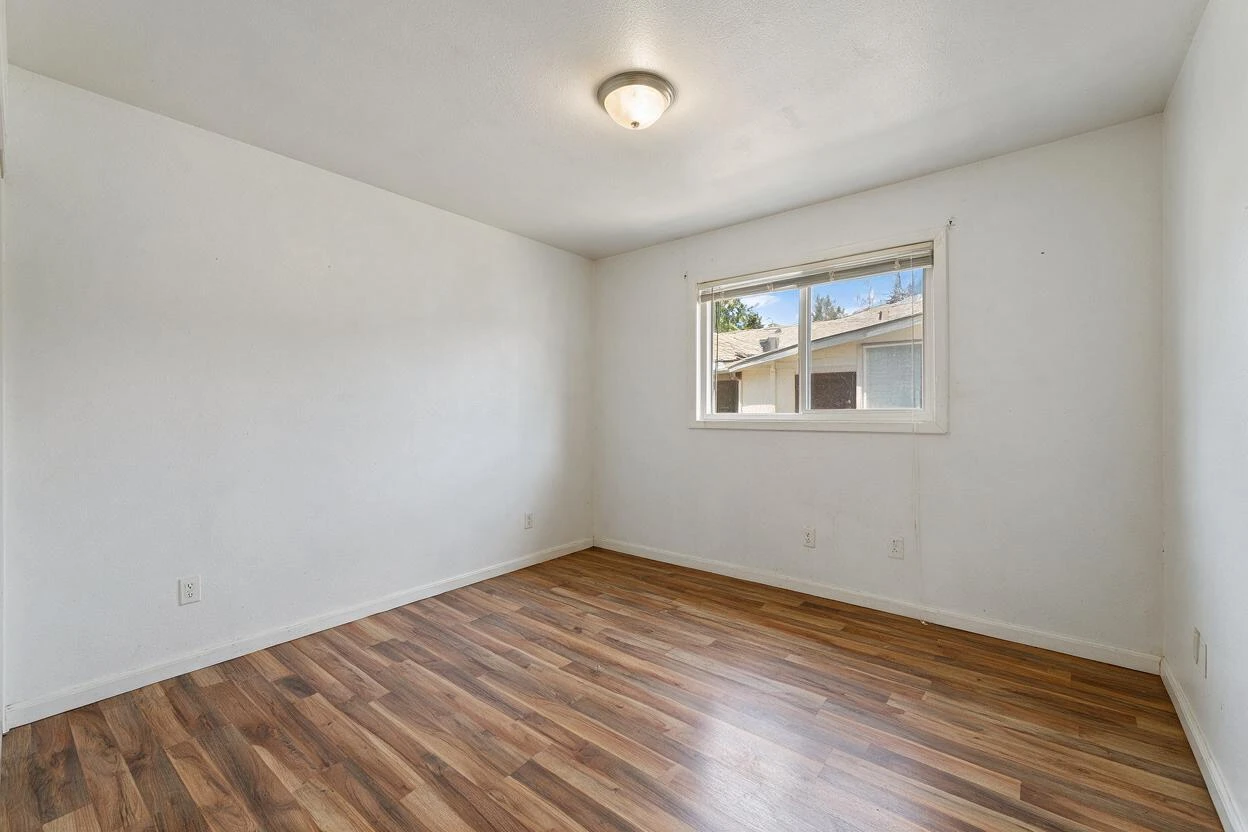
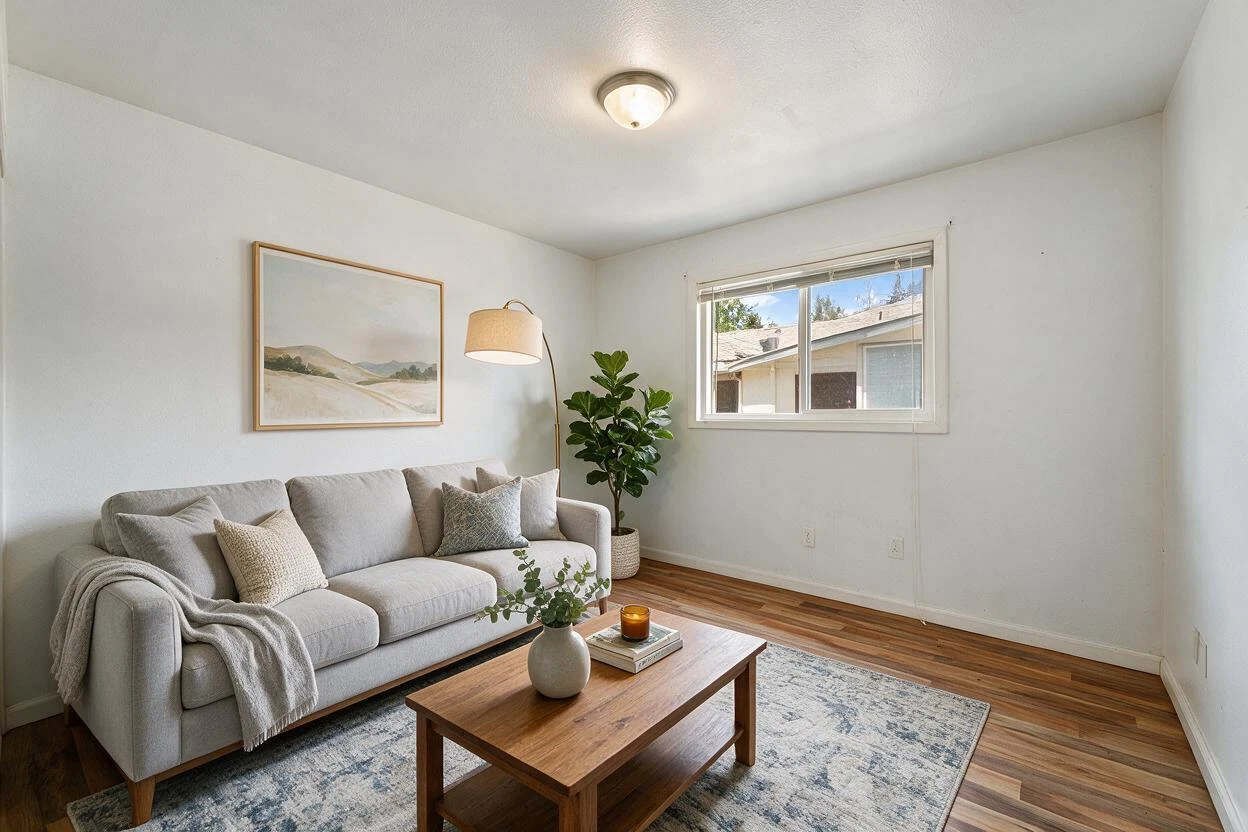
Materials also compound where style words compete. "Coastal and japandi" argues with itself; "pale oak, linen, and jute" quietly is both. If a style direction feels thin, reach for a material list before reaching for a second style — the style presets cover the direction, and materials do the nuance.
A finishes cheat sheet by surface
| Surface | Words that earn their keep |
|---|---|
| Wood | pale oak, walnut, ash, smoked oak, slatted wood, cane |
| Stone & tile | travertine, terrazzo, marble with soft veining, zellige tile, glazed brick |
| Upholstery | bouclé, linen, performance fabric, velvet, washable cotton |
| Metal | brushed brass, matte black steel, aged bronze, satin nickel |
| Soft goods | jute rug, wool throw, sheer curtains, heavyweight drapes |
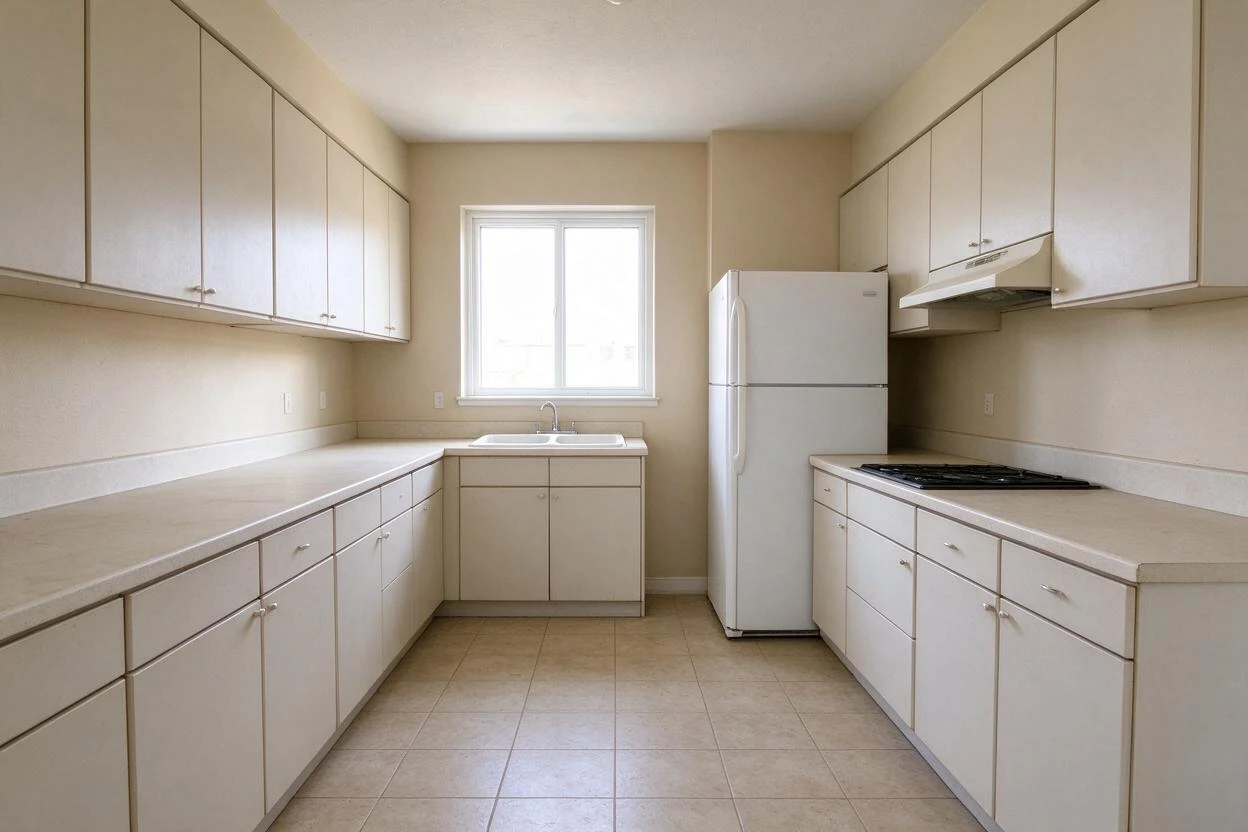
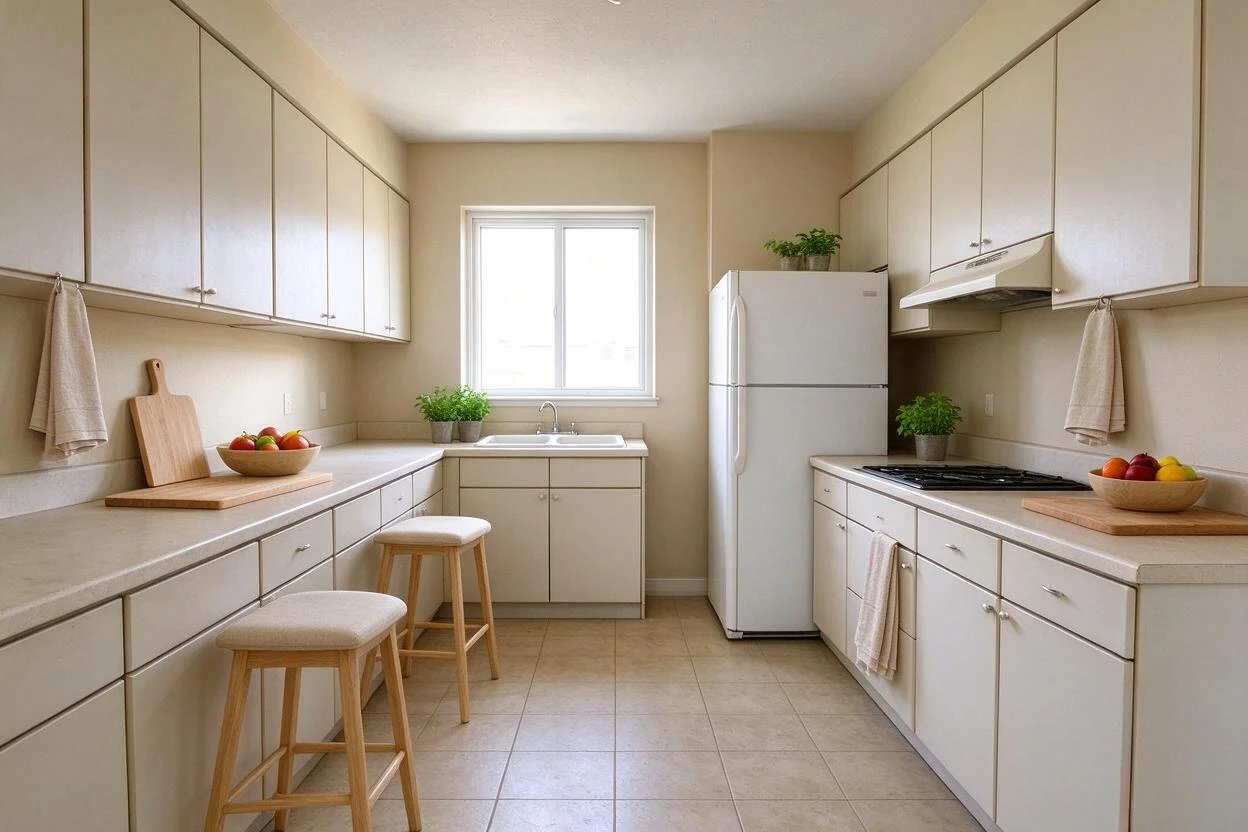
Pick one word per surface, not five per surface — "travertine counters" steers more reliably than a paragraph of stone adjectives. In kitchens and bathrooms the surfaces carry the whole renovation, so name them first:
Light: one source, one direction, one temperature
Every lighting phrase worth writing answers three questions: where from, how strong, how warm. "Soft morning light from the left window" answers all three in seven words; "good lighting" answers none. One consistent source is the cheapest realism upgrade there is — the same rule that governs geometry drift governs shadows:
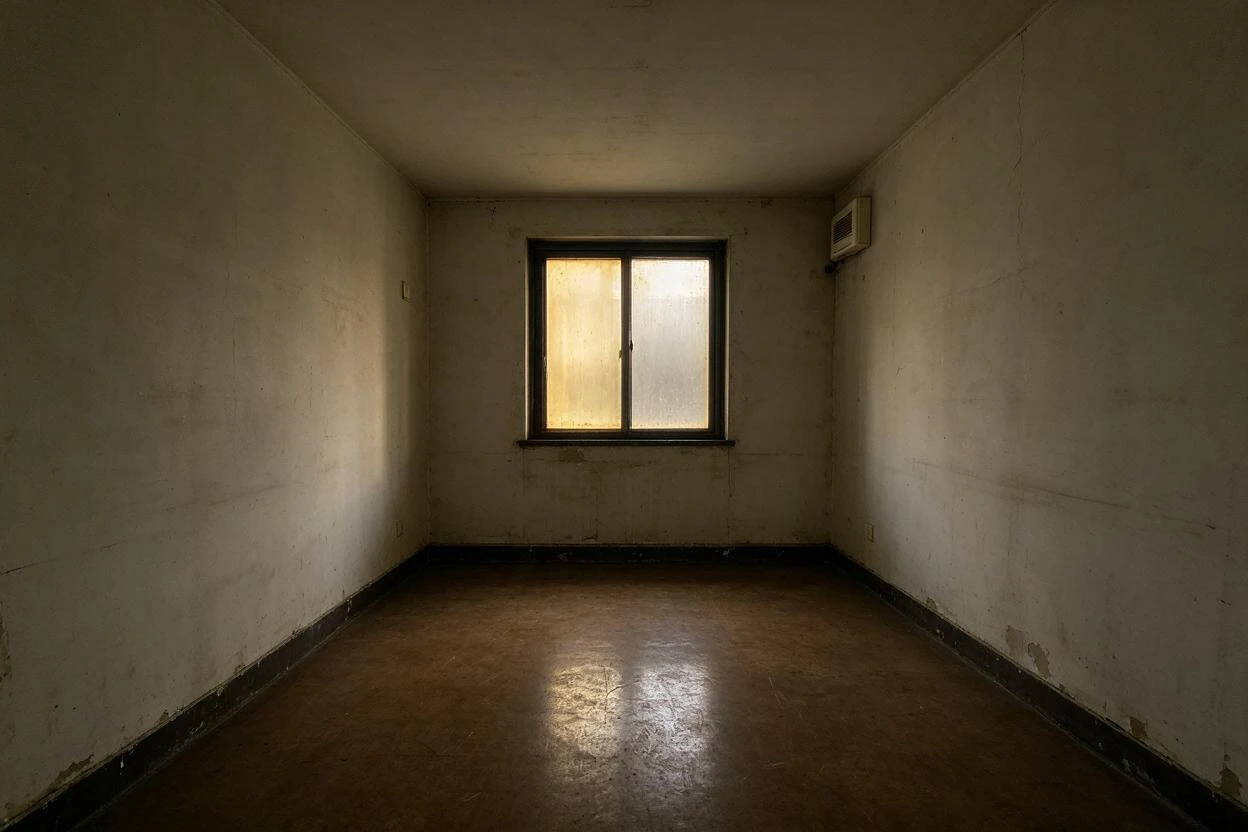
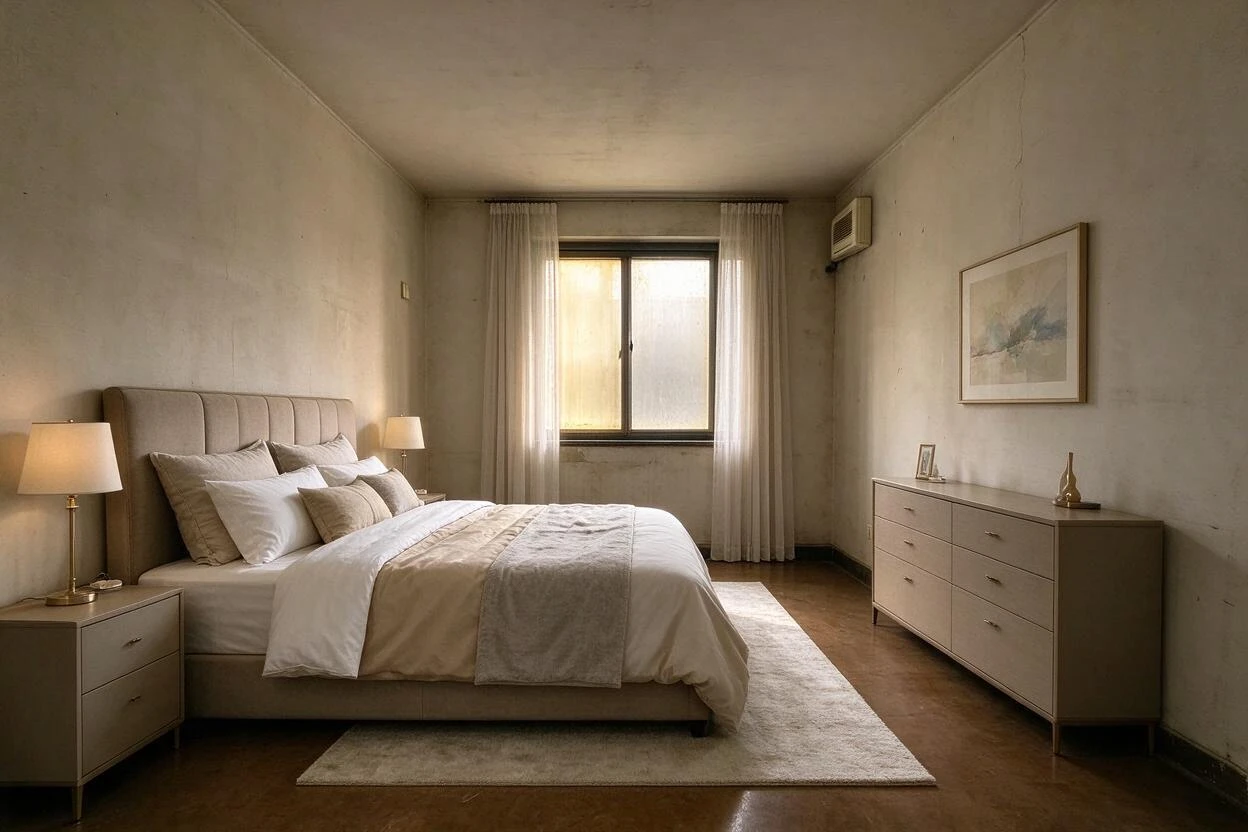
Two patterns cover most rooms. For listings and daytime shots: "bright, even, true-to-life daylight" — even beats dramatic when the goal is showing the room. For mood shots: "warm evening glow, lamps on, overheads off" — lamps at eye level read as lived-in, ceiling pools read as hotel lobby.
The photo-real pass
If the room already looks right but reads as a render, don't restyle — relight. Ask for the photograph, not the fantasy: "true-to-life color, soft natural shadows, realistic depth" pulls a stylized frame back toward something a camera could have taken:
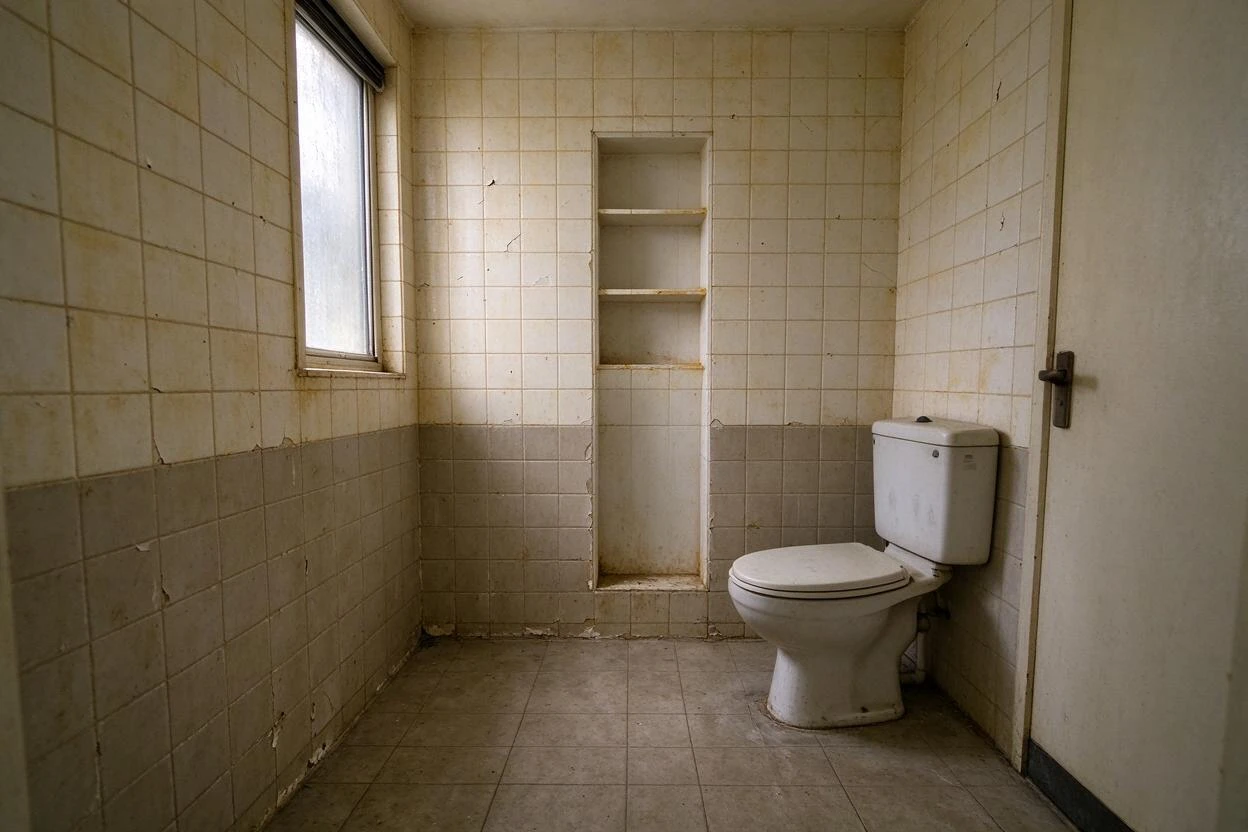
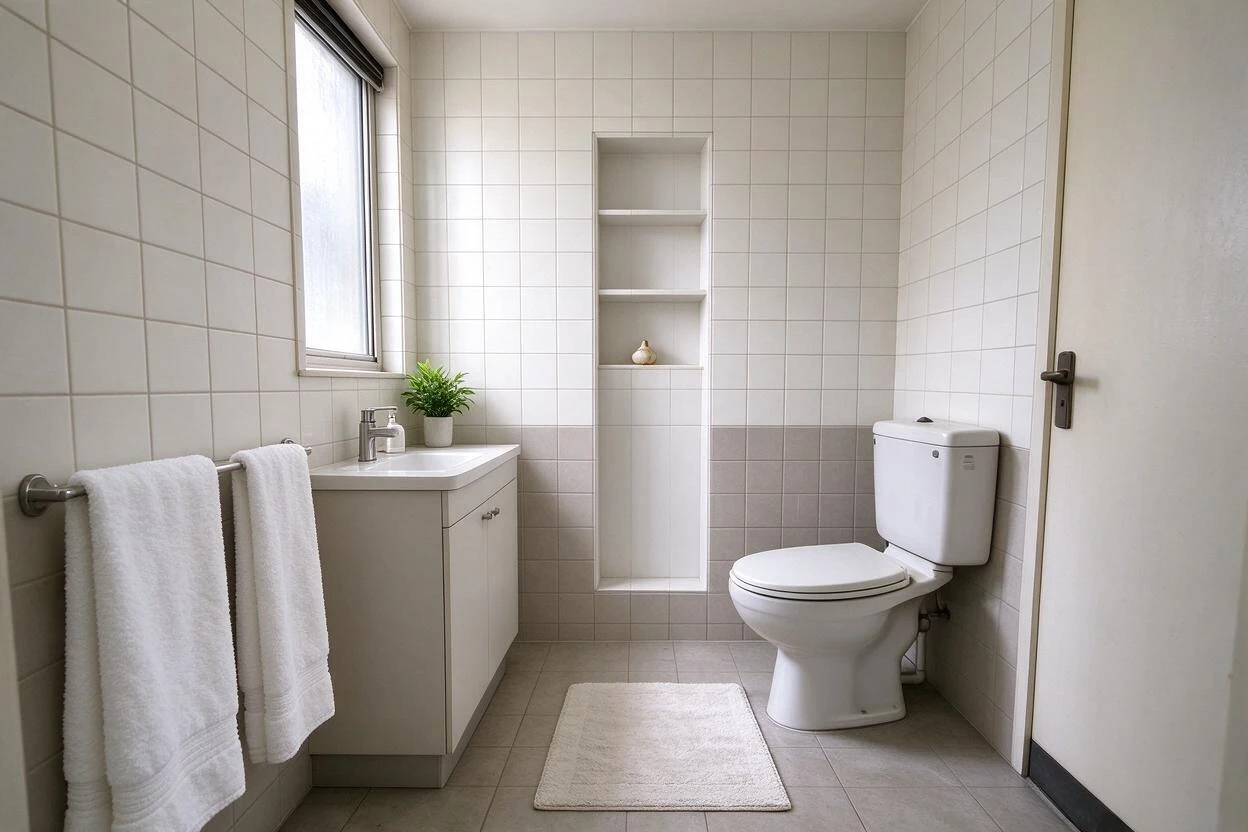
What you're asking against is the gloss: plastic-sheen surfaces, glow with no source, shadows from nowhere. Naming one source kills all three at once, which is why the light slot sits at the end of the five-part pattern — after the pieces are placed, the light decides whether the picture believes in itself. Try it on a dim room of your own: open the staging tool, upload a photo free, and run one relighting pass before you touch the furniture.
FAQ
Do material words really change the render that much?
Yes — they are the difference between "couch" and "linen sectional". A material noun selects texture, sheen, and color at once, so the renderer draws a specific object instead of a generic one. In side-by-side tests the material-named version reads as photography; the adjective version reads as furniture-catalog CGI.
How many materials should I name in one prompt?
One per surface you care about — wood, one textile, one metal, maybe one stone. Past about four, the model starts averaging them and the room goes muddy. Anchor pieces take materials first; the background can stay unspecified.
What lighting words fix a dark photo?
Ask for the correction, not the mood: "bright, even, true-to-life daylight" or "natural white balance". If the source direction matters — and it usually does — name it: "daylight from the window side". Save "golden hour" and "moody dim" for shots where atmosphere is the point.
Why does my render still look fake with good light?
Then the remaining tell is usually geometry or gloss: check that the prompt didn't ask for structural changes, keep one light source, and name matte materials over glossy ones. If the architecture is intact and the light is single-sourced, most residual fakeness is a glossy surface asking to be matte.
Compare
Goodesign AI vs Collov AIRelated questions
Related tool
Stage a room like this from one photo