
What is occupied virtual staging?
By Goodesign AI · Updated 2026-10-16
Occupied virtual staging edits a photo of a furnished, lived-in room instead of an empty one: existing furniture gets swapped, removed, or restyled digitally so the space reads current without anyone moving. It is the answer for sellers who cannot vacate before the listing shoot.
Most virtual staging shows an empty room. Occupied virtual staging starts from the opposite problem: the room is full of someone's life — furniture that predates the listing, a worn sofa, clutter on every surface — and the seller can't or won't move any of it before photos are taken.
What the edit actually changes
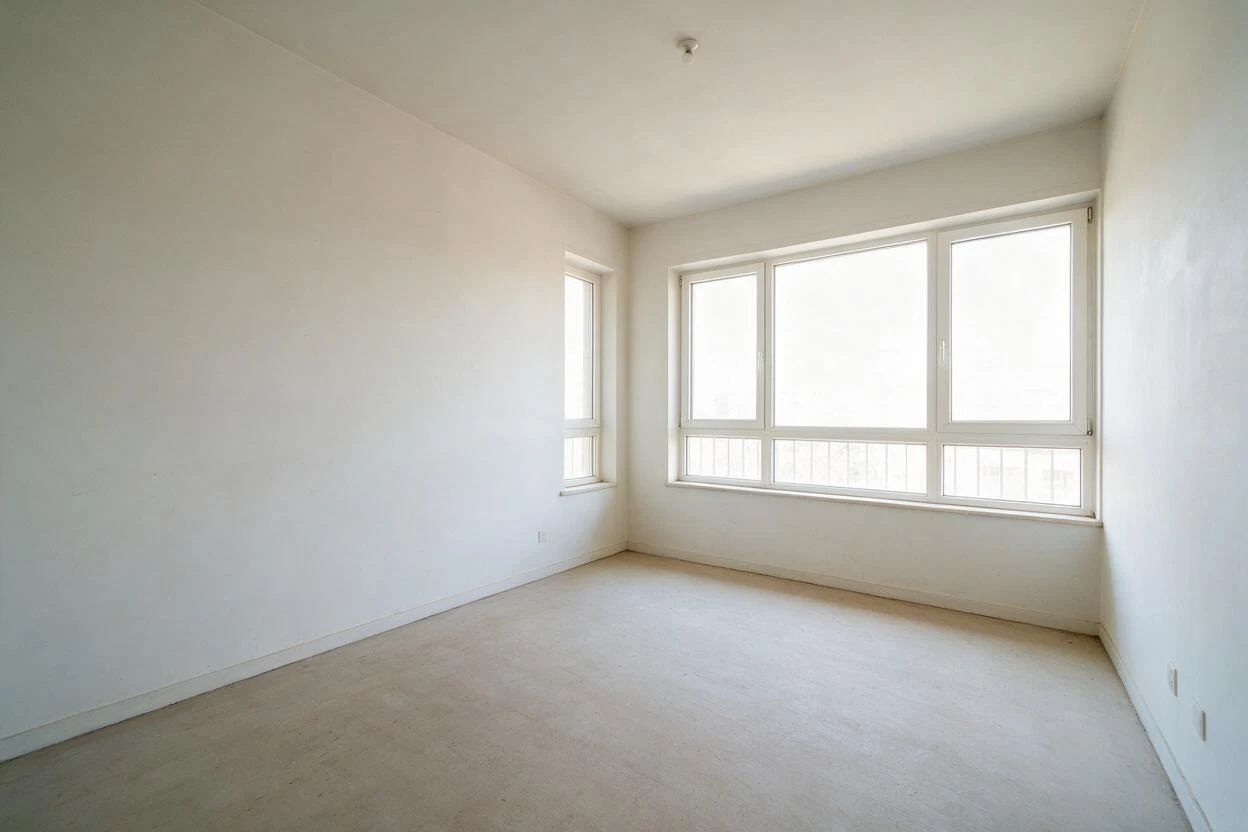
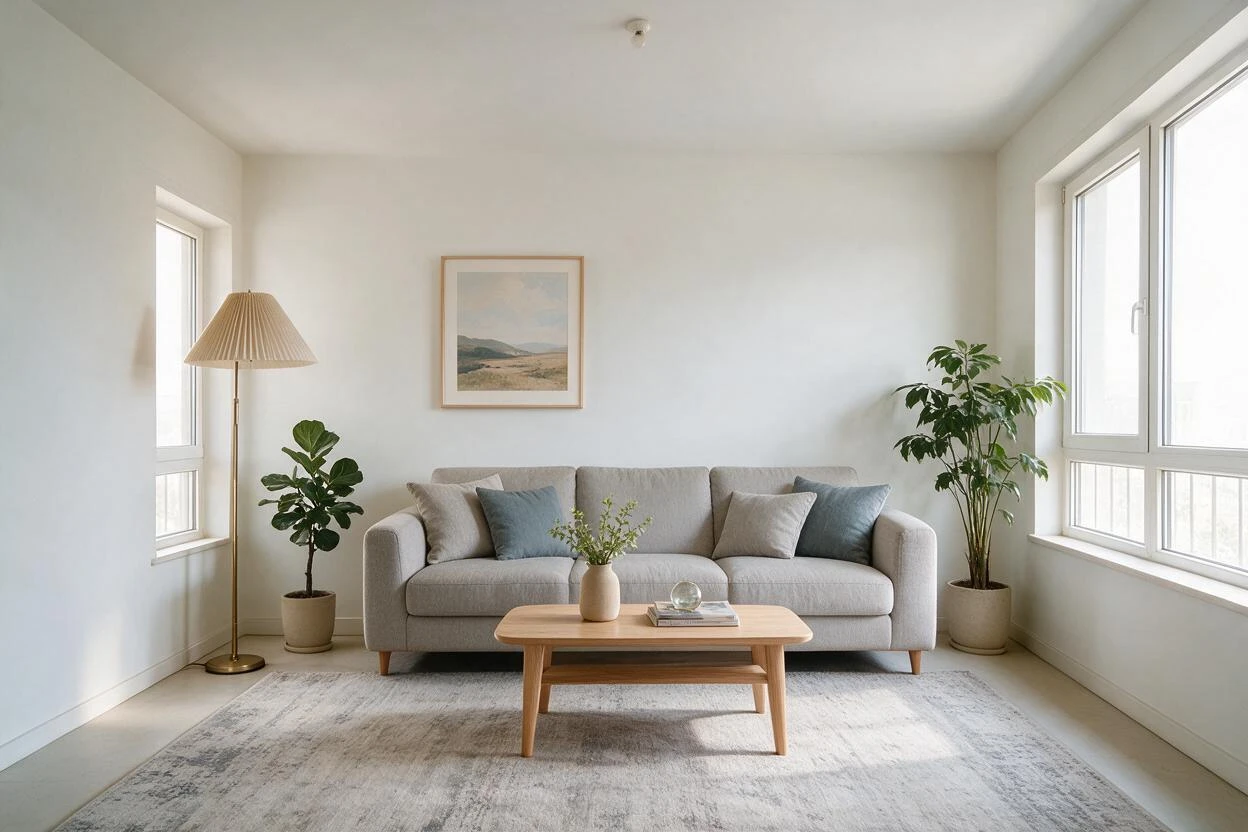
It works on three levels. Light touches remove clutter, cables, and personal items so the room photographs neutrally. Mid-level edits swap or restyle pieces: the tired sectional becomes a current one, the heavy drapes lighten up. Full redesigns re-render the space as if it had been professionally staged, while keeping the walls, floors, and windows unmistakably the same room.
Each level asks a different amount of the software. Removing a laundry basket is a copy-and-patch job; replacing a sofa means the model has to invent believable shadow where the old one sat, keep the rug's perspective honest, and not quietly move the window. That's why occupied work is the harder test of any staging tool — and why results on furnished rooms vary more between tools than results on empty ones. If a render starts inventing its own skirting boards or straightening the staircase, that's your signal the model is improvising instead of editing.
When sellers choose it
The property is lived in and moving out early costs too much. The tenant won't cooperate beyond one afternoon. Or the furniture is fine but dated — worth restyling in the picture rather than replacing in real life. In every case the alternative was shooting as-is or waiting for an empty-room shoot after move-out.
It also covers the in-between cases agents see every week. The owner moved out but left the brown recliner. The listing needs photos this week because the seller's purchase upstream closes in ten days. The house is genuinely nice but photographed in 2014 and never re-shot. Occupied editing turns "we'll list it once the furniture situation sorts itself out" into a same-week listing — and the furniture situation rarely sorts itself out on its own.
What occupied editing costs extra
There is no unified market price for occupied staging, and anyone quoting you one tidy industry number is guessing — services treat it as base staging plus add-ons, and the add-ons vary by editor. The pattern to expect: every object a human editor has to lift out of the frame — the recliner, the treadmill, the gallery wall of school photos — is billed as item removal or decluttering work on top of the per-image staging rate, so a furnished room typically costs more than the same room shot empty.
The anchors worth knowing: BoxBrownie, the most-quoted human service, charges US$30 per image as of this writing (its marketing has advertised US$24, so check the live price page before budgeting), with 48-hour standard turnaround and free revision requests within two months of the job. AI tools collapse the occupied-versus-empty distinction entirely: the render costs the same either way — from as low as $0.17 per image on AI platforms, per NAR's 2025 reporting, up to a few dollars — and asking the model for one fewer sofa costs nothing extra.
What still has to happen in the real room
The edit restyles furniture; it cannot honestly touch walls, floors, or windows, and it shouldn't try. So the physical prep list survives: vacuum, deep-clean, carry out what you can carry, turn on every light, open every blind. A sharp photo gives the editor good material; a dim, crooked one bakes problems into every version of the render that follows.
One line runs the other way too. Anything genuinely wrong with the room — the stain on the ceiling, the cracked window pane — has to be fixed in real life, because hiding it in a photo is misrepresentation, not staging. Editing decides what the room wears; it never decides what the room is. If the house has real defects, deal with those before the shoot, and let the software handle the sofa.
The disclosure line
The same rule applies as with empty rooms: edits that change furnishings are fine when labeled "virtually staged," but edits that hide property defects — stains, cracks, water damage — are misrepresentation. Style the room; never repair it in the picture.
Why it beats shooting around the problem
Buyers judge rooms in seconds, and a dated sofa reads as a dated house. Restyling the photo keeps attention on the space — square footage, light, layout — instead of on belongings the buyer won't get anyway. This is the same mechanism behind NAR's 2025 finding that 83% of buyers' agents say staging makes it easier to picture a property as a future home: the purchase is emotional, and the emotion needs a room that looks like someone's future, not someone's past. An occupied edit borrows that effect without anyone renting a sofa. For the honesty rules around edited photos, see what virtual staging has to disclose.
Curate before you shoot: clear clutter out of the room digitally or restyle the whole furnished space — then upload a photo and preview the change free.
FAQ
Can you stage an occupied home virtually?
Yes — that's exactly what occupied virtual staging is. The photo keeps the room's real walls, floors, and windows while the furniture layer gets swapped, removed, or restyled digitally. It's the standard move when the seller can't vacate before the listing shoot.
Is occupied virtual staging more expensive than staging an empty room?
At human services, usually yes: item removal and decluttering are billed as add-ons on top of the per-image staging rate, and there's no single published market price — ask what the surcharge covers before ordering. AI tools charge the same per render whether the room starts full or empty, which is a large part of their appeal for furnished listings.
Do buyers have to be told the photos were virtually staged?
Yes. Listing photos with changed furnishings carry a "virtually staged" label, and a growing set of MLS and state rules require it — California's digital-edit disclosure law took effect in 2026. The furniture is advertising; the room itself must look the same at the showing.
Will the buyer's furniture fit where the virtual furniture was?
Measure before you fall in love — this is the one real risk of furnished renders. Responsible services keep pieces to plausible sizes, but no photo is a floor plan. Walk the room at the showing, note the wall the render used, and check the real measurements against your sofa.
Related questions
Related tool
