
What is transitional interior design?
By Goodesign AI · Updated 2026-10-16
Transitional design blends traditional and contemporary elements into one balanced room: classic shapes in modern fabrics, neutral palettes where texture does the work, and furnishings chosen for comfort rather than statement. It is the most requested style for resale homes precisely because it neither dates nor divides opinion.
Transitional design blends traditional and contemporary furniture into one balanced room — classic shapes in modern fabrics, clean lines softened by curve and texture, comfort outranking statement. If minimalist rooms feel cold and period rooms feel fussy, transitional is the deliberate middle: a roll-arm sofa in plain linen, a glass pendant over a panelled table, crown molding above unadorned walls.
How the blend actually works
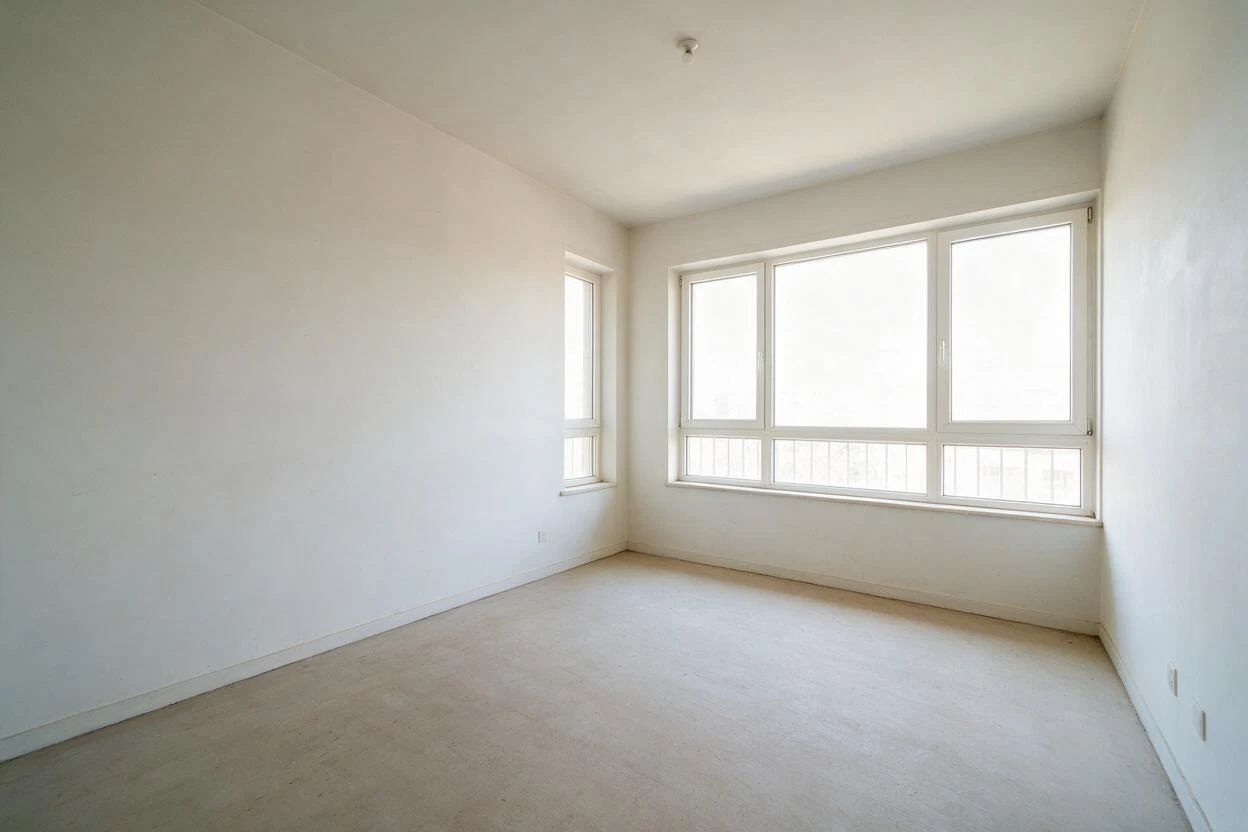
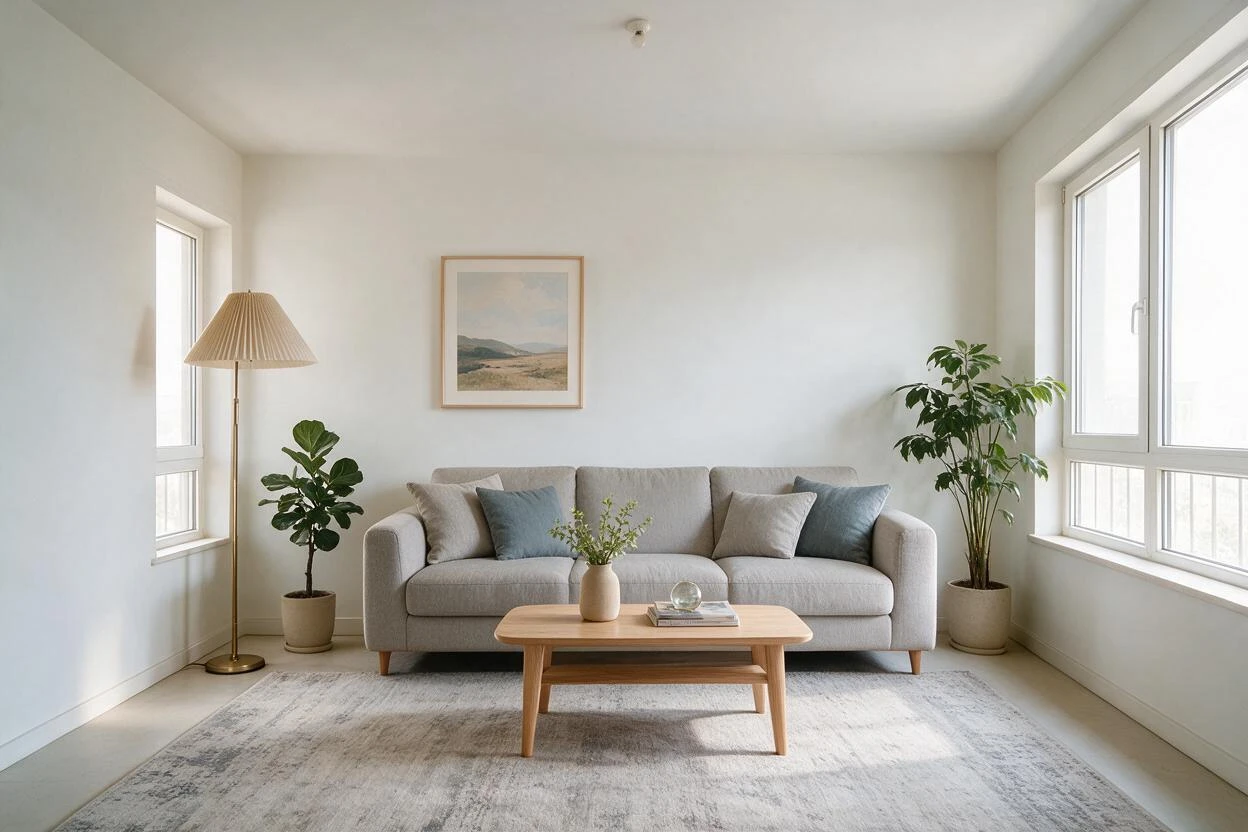
Pick a century for the bones and the other for the pieces. Traditional architecture (moldings, panelled doors, fireplace surround) plus contemporary furnishings is the classic recipe; the reverse — modern box of a room with inherited traditional pieces — works when the old pieces share a wood tone or a color. What fails is half-and-half within a single category: eight furniture styles, all whispering.
What transitional looks like in a room
Architectural Digest's primer on the style calls transitional "the palate cleanser of all design styles" — a merge of formal, ornate elements with relaxed touches so a space feels both classic and current. In practice that reads as: a roll-arm sofa in plain linen instead of a pattern, panelled doors with modern matte hardware, a classic chandelier silhouette executed in blackened steel, wide-plank floors under a rug with a faded traditional motif. The palette is part of the definition — AD lists neutral color palettes of whites, creams, tans, and grays among the style's defining elements, with the tonal, textural scheme doing the work that pattern and ornament would otherwise do.
How to nudge a room transitional without a renovation
Swap pattern for texture first: recover or re-cover the loudest upholstered piece in plain linen or bouclé, and let a nubby throw replace a printed one. Keep the moldings and simplify everything below them — art in matching frames, one style of hardware, table lamps from the same family. Pull the room's single accent color from the rug so the old and new pieces share at least one thread. And because transitional blending is mostly a palette problem, the 60-30-10 color rule is the style's best tool: a neutral dominant, a quieter secondary, one accent that gets to be interesting. If your room leans cottage rather than classic, transitional's rustic cousin is nearby — see what modern farmhouse style is or the modern farmhouse style guide.
The palette stays quiet so the mix can talk
Neutrals carry transitional rooms — whites, beiges, greys, taupe — with texture supplying the interest: bouclé against smooth cotton, honed stone beside grainy oak. Color appears in pillows and art, easy to change, which keeps the room dated-proof.
Why resale listings love it
Surveys of agent-staging preferences keep landing on transitional for one reason: it appeals to the widest band of buyers. Nobody walks into a transitional room and feels excluded, which is exactly what a seller wants and precisely why the style dominates model homes. It's also the safest style to stage in the industry — the one bet that can't lose. Architectural Digest describes it as a foundation aesthetic that allows for growth and change rather than a committed point of view, which is a working description of what a listing photo needs: a room that reads as everyone's future, not one person's taste. Browse Houzz's transitional design gallery and you can see why the marriage sells — the neutral fields photograph consistently in mixed light, classic shapes flatter older architecture, and swap-in accents mean the look adapts to any seller's belongings without a renovation. In NAR's 2025 Profile of Home Staging, 83 percent of buyers' agents said staging makes it easier to picture the property as a future home — projection is the whole game, and transitional rooms are engineered for exactly that projection.
See the blend on your own room: upload a photo and stage it with transitional furniture — classic shapes, quiet palette — then compare against your current pieces.
FAQ
What's the difference between transitional and modern style?
Modern design commits fully to the present — low profiles, industrial or glass materials, and no reference to anything earlier. Transitional deliberately holds both centuries: today's lines and fabrics over traditional bones like moldings, panelled doors, and classic silhouettes. A modern room ignores the moldings; a transitional room keeps them and calms everything underneath.
Is transitional design going out of style?
That's close to a contradiction in terms. Because the style borrows from two standing traditions instead of championing a single trend, it has no trend peak to fall off of — this is the durable, doesn't-date quality the neutral palette exists to protect. Its dominance in model homes and resale staging is precisely its resistance to dating, and Architectural Digest's "palate cleanser" framing explains why: it resets the eye between louder eras rather than joining them.
What colors work best in transitional rooms?
Whites, creams, taupes, greiges, and soft grays — with interest supplied by texture (bouclé against smooth cotton, honed stone beside grained oak) rather than pattern. Stronger color is welcome but belongs in pillows, art, and ceramics, where it can change cheaply. The one test: if a color would fight the moldings or the floors, demote it to the 10 percent accent layer.
Compare
Related questions
Related tool
