
How much does AI interior design cost?
By Goodesign AI · Updated 2026-10-16
Most AI design tools work on a free trial plus a credit plan: expect $5–30 per month for casual use, with per-image costs of cents to a few dollars. Human e-design services still charge $100–500 per room — the AI route is an order of magnitude cheaper for comparable visualization work.
AI design pricing looks confusing until you see that every service packages the same underlying cost — seconds of compute per image — into one of three models.
Free tiers
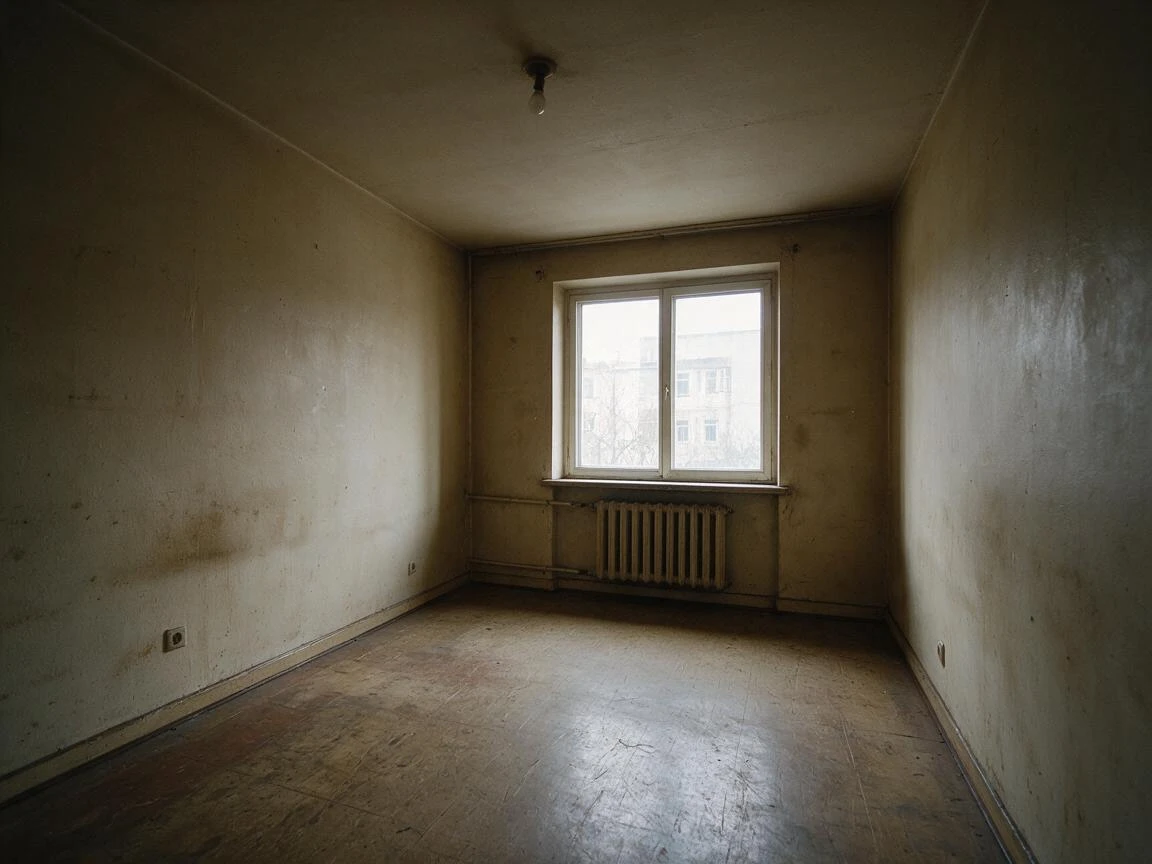
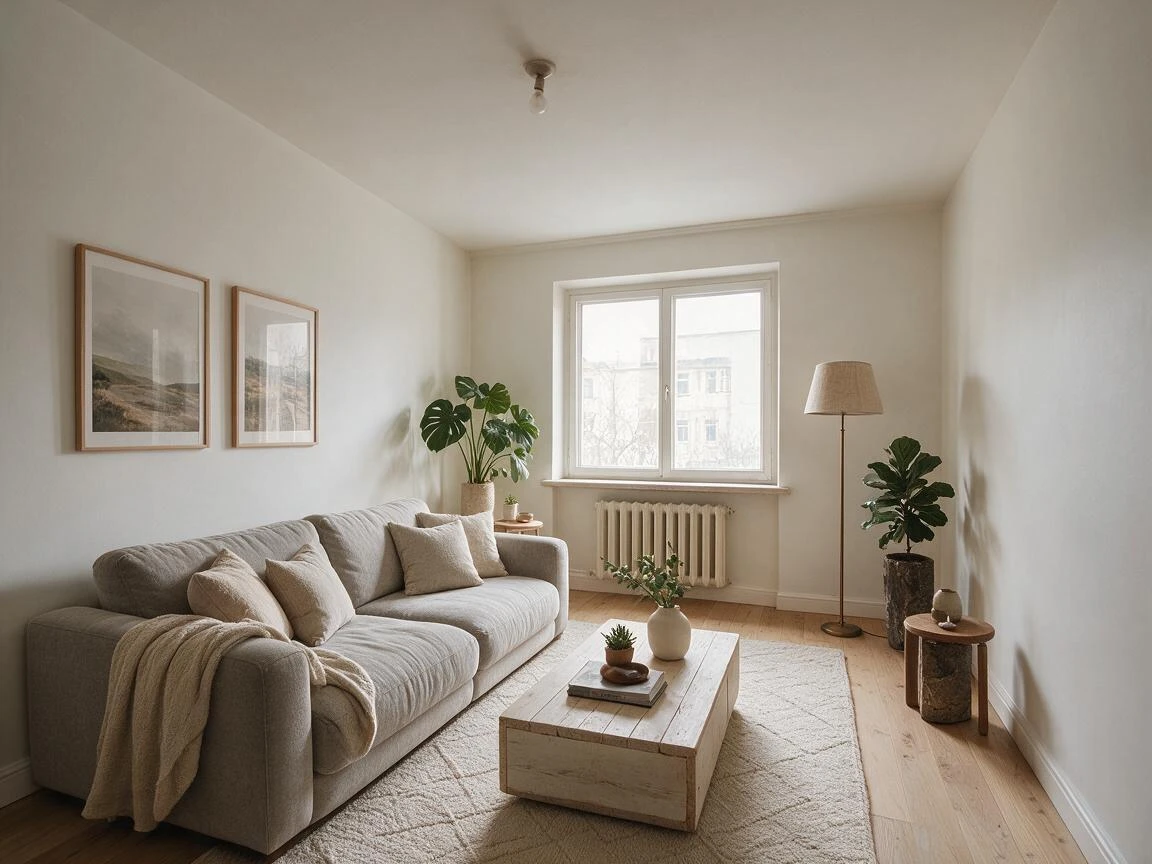
Nearly every serious tool offers them, typically three to ten renders at no cost, sometimes without a card. A free tier is enough for a single-room restyle decision or a small listing's hero rooms. It's also the honest way to judge quality before paying: if the free renders disappoint, the paid ones will too. Goodesign's five free designs cover a typical staging set, which is why agents start there.
Credit plans
The standard model: a monthly fee ($5–30 for personal use, $30–100 for professional volume) converts to credits, and each render or edit spends a few credits. Costs stay flat regardless of how many rooms you try, and a regeneration costs the same as a first attempt — no revision fees, which is the quiet rip-off of human services. Heavy users effectively pay cents per image.
How the main pricing models compare
Put the three AI models next to the human competition and the picture simplifies fast.
| Route | What you pay | What you get | Turnaround |
|---|---|---|---|
| Free AI tier | $0 | A handful of designs — enough to settle one room | Seconds |
| AI credit plan | $5–30/month personal, $30–100/month pro volume | Flat cost, any style, regenerations included | Seconds |
| Human virtual staging | $20–70 per photo | A human retoucher, someone to email | 24–72 hours |
| Traditional e-design | $100–500 per room | Concepts plus a shopping list, from a person | Days to weeks |
| In-person designer | Thousands per project, often hourly | Sourcing, trades, accountability | Weeks to months |
Two anchors if you want to sanity-check that AI column: NAR's Styled, Staged & Sold column reported in 2025 that traditional virtual staging can cost $50 or more per image, while AI platforms run as low as $0.17 per image. And treat every figure in the table as an order of magnitude, not a quote — competitor pricing shifts monthly, so check the vendor's site before you budget a listing. For staging budgets specifically, the cheapest way to stage a home compares these routes end to end.
What you're comparing against
Traditional e-design (a human designer delivers concepts and a shopping list remotely) runs roughly $100–500 per room. In-person design consultations start higher and add hourly billing. AI tools don't do the full job — no sourcing, no trades, no accountability — but for the visualization layer (what could this room look like?), they deliver 90 percent of the value at perhaps 5 percent of the cost.
When free is enough — and when it isn't
Free is the right price for taste decisions: which direction a living room should go, whether the sofa floats or sits against the wall, whether Japandi survives contact with your actual furniture. Apartment Therapy's 2026 writer-tested review of 13 free AI interior design tools landed roughly there — free tiers are genuinely useful for exploring and comparing, while polished, magazine-grade output generally sits behind payment or a human designer.
Paying earns its keep when one of two things is true. The image goes public: a listing photo needs full resolution, clean furniture edges, and no watermark — exactly the places free exports fall short. Or the image drives a purchase: choosing between two $900 sofas from a watermarked preview is false economy when a full-quality render costs about a dollar. Where free tools stop being good enough maps the gap in detail.
Where the money actually leaks
Not in subscription fees but in decisions: people who render first buy fewer wrong sofas, return less furniture, and skip repaints they'd have regretted. One avoided mistake pays for a year of credits.
The traps worth avoiding
- Expiring credits. Credits that vanish at month's end price out worse than their sticker suggests.
- Per-edit fees. Some tools charge a fresh render for every style swap; honest ones price a regeneration the same as a first attempt.
- Watermarked "free." A free tier that renders watermarked and charges for the clean version isn't free — it's a preview toll.
- Shrinking usage rights. A few budget services license the image back to you for a single listing, so reusing your own staged photo becomes a second purchase.
Goodesign's own answer to all four is one line: five full-quality designs with no card, then plans from $14 a month where 1 credit = 1 image. Whatever tool you pick, that's the shape of plan to hold out for.
Try before any of this costs anything: upload a room photo, spend your five free designs, and count what the alternative would have charged for the same answers.
FAQ
Is AI interior design cheaper than hiring a designer?
For visualization, by an order of magnitude: cents to a few dollars per render against $100–500 per room for human e-design. A designer still wins when the job needs sourcing, trades, or someone accountable for the outcome — AI doesn't do the full job.
How much does AI virtual staging cost per image?
From nothing to cents: NAR reported AI staging rates as low as $0.17 per image in 2025, free tiers cover around five designs, and human services charge $20–70 for the same photo. Small listings often stage for $0.
Are paid AI design tools worth it?
Worth it the moment the output goes on a listing or drives a furniture purchase — that's where resolution and watermark limits start costing real money. For pure style browsing, free tiers already do the job.
Why do AI design tools use credits instead of flat prices?
Because every render is a few seconds of compute, and credits turn that into a predictable bill. The fair version prices 1 credit = 1 image and charges the same for a regeneration as a first attempt — be suspicious of plans that don't.
Is there a free way to try AI interior design before paying?
Yes. Goodesign gives five full-quality designs with no card, and most competitors offer a limited trial. Five images is enough to test one room in two directions and judge whether the output holds up on your own photo. Compare two tools before committing to a plan.
Why does the same room cost so little on one tool and so much on another?
Because the billing unit differs: per generated image, per credit, or a monthly fee regardless of volume. Divide the monthly fee by the images you realistically produce, and compare that number rather than the headline price. A $30 plan used twice costs more than $1 per image.
Do I still need to pay a photographer if I use AI design?
Usually once, yes: AI needs one real photo of the space to start from. That single phone or camera shot is the only unavoidable cost, and a phone in daylight is often enough. Everything after it — furniture, styling, restaging — is generated, so reshoots disappear.
Related questions
Related tool
