
What is coastal interior design style?
By Goodesign AI · Updated 2026-11-02
Coastal style translates a beach house into everyday living: white and sand bases, sea-glass blues and greens, weathered woods, linen slipcovers, and natural fibres like jute and rope. The aim is light and ease, not nautical props — done right there's not an anchor print in sight.
Coastal style translates the feeling of a beach house into everyday living: white and sand bases, sea-glass blues and greens, weathered wood, linen slipcovers, and natural fibres like jute and rope. The aim is lightness and ease — a room that always feels like a low-tide morning — and the style that achieves it has surprisingly little to do with boats.
The definition designers actually use
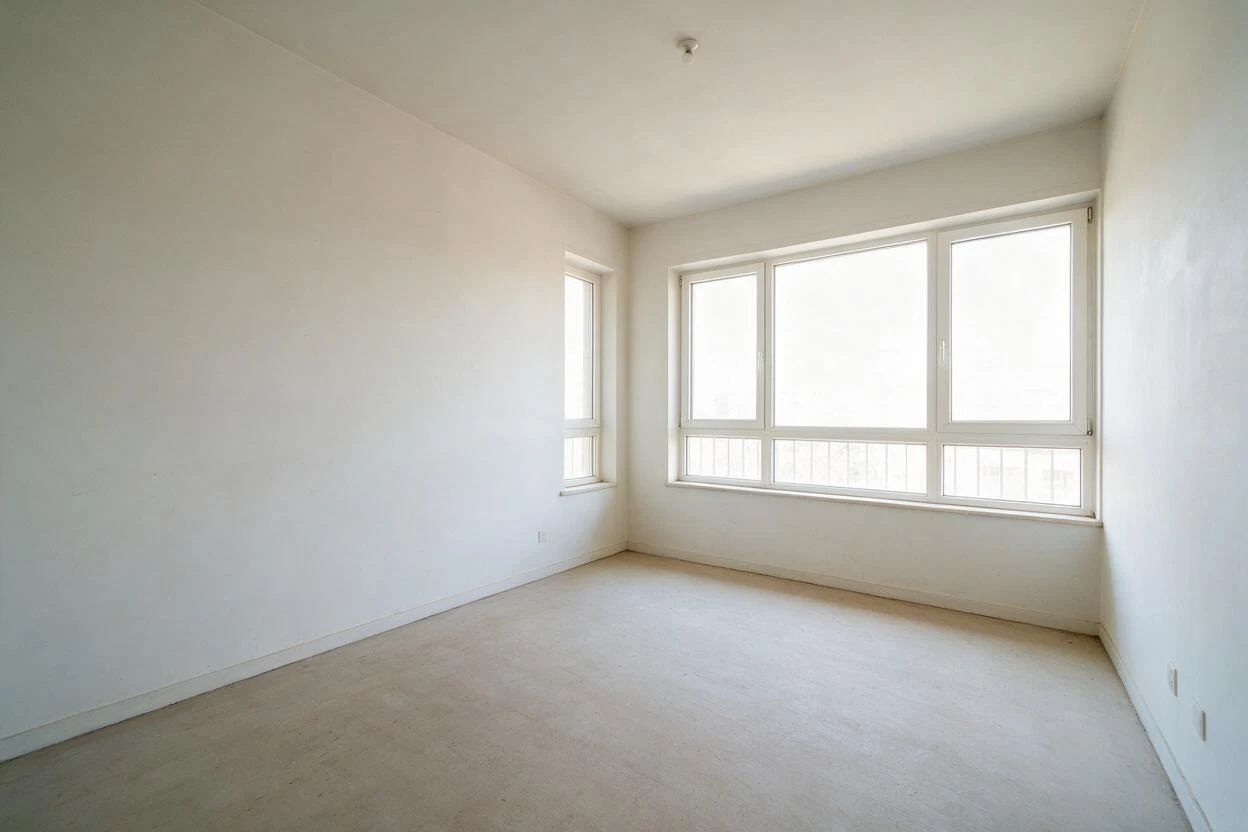
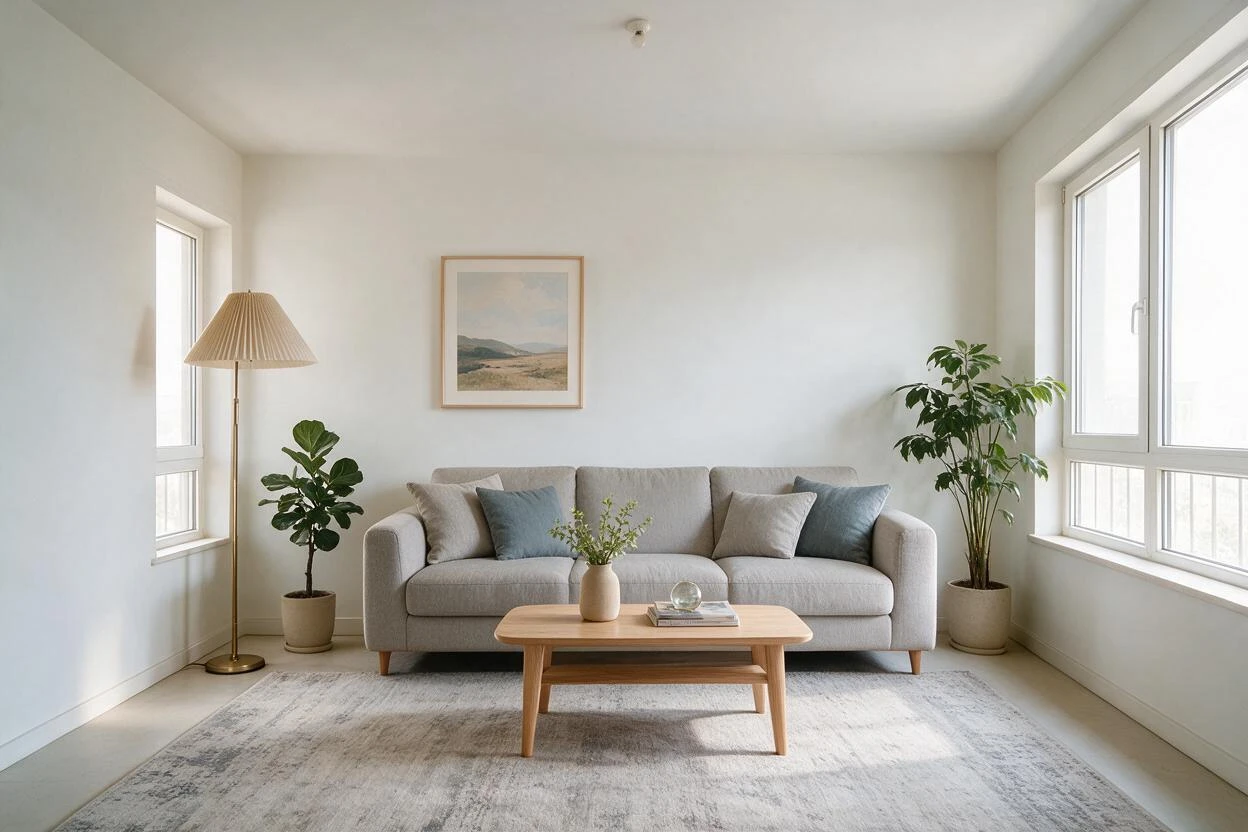
Architectural Digest's coastal design primer quotes Malibu designer Sarah Solis describing coastal rooms as soft tones and relaxed, comfortable materials handled with strong lines and intention — "easy, luxuriously understated living," in her words. That intentionality is the dividing line between coastal and coastal-themed: the palette whispers, the materials are natural — linen, jute, rattan, washed wood — but the furniture silhouettes stay clean and the room stays edited. Solis calls it "100 percent timeless." The confidence to be quiet is what separates the style from the anchor-print version of itself.
The palette does most of the work
Whites and warm sands carry 70 percent of the room; blues and greens appear the way water does at the shore — as accents in cushions, glass, art, and one soft furnishing, not on four walls. If the blue exceeds the sand, the room drifts into themed restaurant territory.
Written as a ratio the palette is 70/25/5, and each role fails in its own characteristic way:
| Role | Colors | Share | Wrong move |
|---|---|---|---|
| Foundation | White, cream, warm sand | 70% | Blue walls — the accent promoted to the base |
| Support | Pale gray, oatmeal, weathered wood | 25% | A gray that turns cold and blue itself |
| Accent | Sea-glass blue and green | 5% | The accent repeated across cushions, art, glass, and walls |
The materials are the shore's own
Weathered or pale woods, rattan, seagrass, linen that creases happily, cotton slipcovers, and rope details. Slipcovered furniture is the style's signature move: comfort that reads informal on purpose.
Light is non-negotiable
Coastal rooms live on daylight: sheer curtains, mirrors opposite windows, pale floors that bounce what comes in. A dark coastal room is a contradiction the eye refuses.
The props to skip
Anchor prints, seashell bathrooms, lifebuoys, and anything literally from a boat. The mature version suggests the coast through material and color and lets the viewer's memory do the decorating — which is also why it ages better than nautical kitsch ever does.
Coastal vs Hamptons vs beach vs nautical
Search traffic treats coastal, Hamptons, beach, and nautical as synonyms, and that mixing is where most rooms go wrong. Coastal is the disciplined original — suggestion over scenery. Hamptons is its moneyed East Coast relation: cooler blues, shiplap, more formality. Beach is the paler, sandier cousin that tolerates a little kitsch. Nautical is the themed version this page exists to talk you out of. The cheat sheet:
| Coastal | Hamptons | Beach | Nautical | |
|---|---|---|---|---|
| Base palette | White and sand, sea-glass accents | Light blue and crisp white | Sun-bleached neutrals, driftwood | Navy and white, high contrast |
| Core materials | Linen, jute, rattan, weathered wood | Shiplap, painted furniture, hardwood | Rope, canvas, pale oak, wicker | Brass, polished wood, naval detail |
| Signature piece | Slipcovered sofa | Board-and-batten accent wall | Woven or hammock chair | Ship model or anchor print |
| Common failure | Too much blue | Stiff, showroom formality | Reads as a college rental | Reads as a seafood restaurant |
| Suits | Year-round calm, resale | Formal living rooms | Vacation homes and rentals | Kids' rooms and actual boats |
If you like coastal's palette but want rounder forms and fewer rules, organic modern is the adjacent style worth studying — same ease, softer geometry.
Room by room
Living room
Start with the sofa: a slipcover in off-white cotton or linen sets the register, and everything else negotiates with it. Keep the large pieces pale or weathered — a natural-wood coffee table, a rattan chair — and let sea-glass appear only in pillows, glass, and art. One jute rug, one linen throw, and stop editing. If the room starts to feel themed rather than calm, remove the most literal object first and look again.
Bedroom
White linen bedding, a sand or oatmeal blanket folded at the foot, walls in warm white — the palette does the relaxing before you lie down. Swap glossy nightstands for pale wood, add a woven bench, and keep curtains sheer so morning light gets in. For the quietest version, borrow from japandi: low furniture, one textured layer, nothing extra on the nightstand. The lighthouse lamp is not invited.
Kitchen
A kitchen goes coastal through surfaces rather than props: pale counters, cabinets painted white or soft gray-green, open shelves of stoneware and clear glass, light wood underfoot if you have it. When a remodel is out of reach, repainting the walls — and the cabinet fronts, in the 70/25/5 ratio above — does most of the work; rope-trimmed bar stools and fish-shaped boards do none of it. Daylight matters double in here, so keep the window bare.
Bathroom
Skip the seashell border entirely: the coastal bathroom that works is a spa that happens to be near the sea. White or sand tile, a teak stool, waffle-weave towels, and one sea-glass accent — a jar, a vase, the shower screen itself. Repainting the vanity in soft green-white and swapping in a rattan-framed mirror restyles the whole room in an afternoon. Keep surfaces sparse; humidity plus clutter reads as mess by the week's end.
Why it stages so well in listing photos
Coastal sells a feeling no other style can produce at scale: the room reads as permanent vacation, and buyers picture themselves into July. The palette is technically cooperative too — white and sand bases reflect whatever light the room has, the same mechanism behind the colors that make rooms look bigger — and slipcovers and jute read soft on camera without giving the lens anything to fight. It leans on the core staging effect hardest of any style: NAR's 2025 Profile of Home Staging found 83 percent of buyers' agents say staging makes it easier for buyers to envision the property as a future home, and what coastal stages is a future, not just a furniture layout.
Preview it on your real room: upload a photo and restage the surfaces and textiles in coastal tones — light-wood floors, linen, sea-glass accents — before buying anything.
FAQ
What colors are coastal interior design?
White and cream carry the room, sand and pale gray warm the middle, and sea-glass blue and green appear only as accents — cushions, glass, art — never as four walls of blue. Once the blue outweighs the sand, the room stops suggesting a coast and starts decorating one. For resale-tested versions of the light palette, see best neutral paint colors when selling.
Is coastal style out of style in 2027?
No — and the evidence is the longevity itself: Architectural Digest's primer calls the style "100 percent timeless," and the rooms that prove it are decades old. What dates badly is the prop version, because themes timestamp a room while materials don't. A linen sofa and sea-glass accents read current in any year; that is what separates a style from a trend cycle.
What is the difference between coastal and beach style?
Designers draw the line roughly like this: coastal is the more tailored, refined version — deeper blues, darker woods, vintage patina — while beachy is breezier and paler: light oak, airy linen, washed-out neutrals. What both share is the discipline of suggestion. Architectural Digest's primer has designer Angela Hamwey recommending you skip literal shells, starfish, and navy stripes and let material and color do the hinting.
Can you do coastal design in a small apartment?
Yes, and small rooms are arguably where the palette earns its keep: light bases make a compact room read larger, which is the same mechanism behind Scandinavian style. Keep the floor visible, choose slipcovered or rattan pieces that stay visually light, and repeat one sea-glass accent rather than many. In a rental, textiles and paint do the whole job and leave with you.
What materials define coastal interiors?
Linen that creases without complaint, cotton slipcovers, jute and seagrass underfoot, rattan, and pale or weathered wood, with rope used sparingly enough to stay a detail. The test is touch: everything invites a hand. Glass and ceramic count too — sea-glass reads in the glaze, not the print. If a material came off a boat rather than out of a workshop, it belongs to nautical, not coastal.
Compare
Related questions
Related tool
