
What is minimalist interior design?
By Goodesign AI · Updated 2026-10-16
Minimalist design strips a room to what it needs and nothing more: few objects, hidden storage, a restrained palette, clean lines that follow function. It isn't emptiness for its own sake — every surviving piece is chosen, useful, and given space, which is why the result feels calm.
Minimalist interior design strips a room to what it needs and nothing more: few objects, hidden storage, a restrained palette, and clean lines where every form earns its place. The common misreading is that minimalism means emptiness; the real rule is that everything present is chosen, useful, and given room to breathe — which is why the result feels calm rather than bare.
The structure of a minimalist room
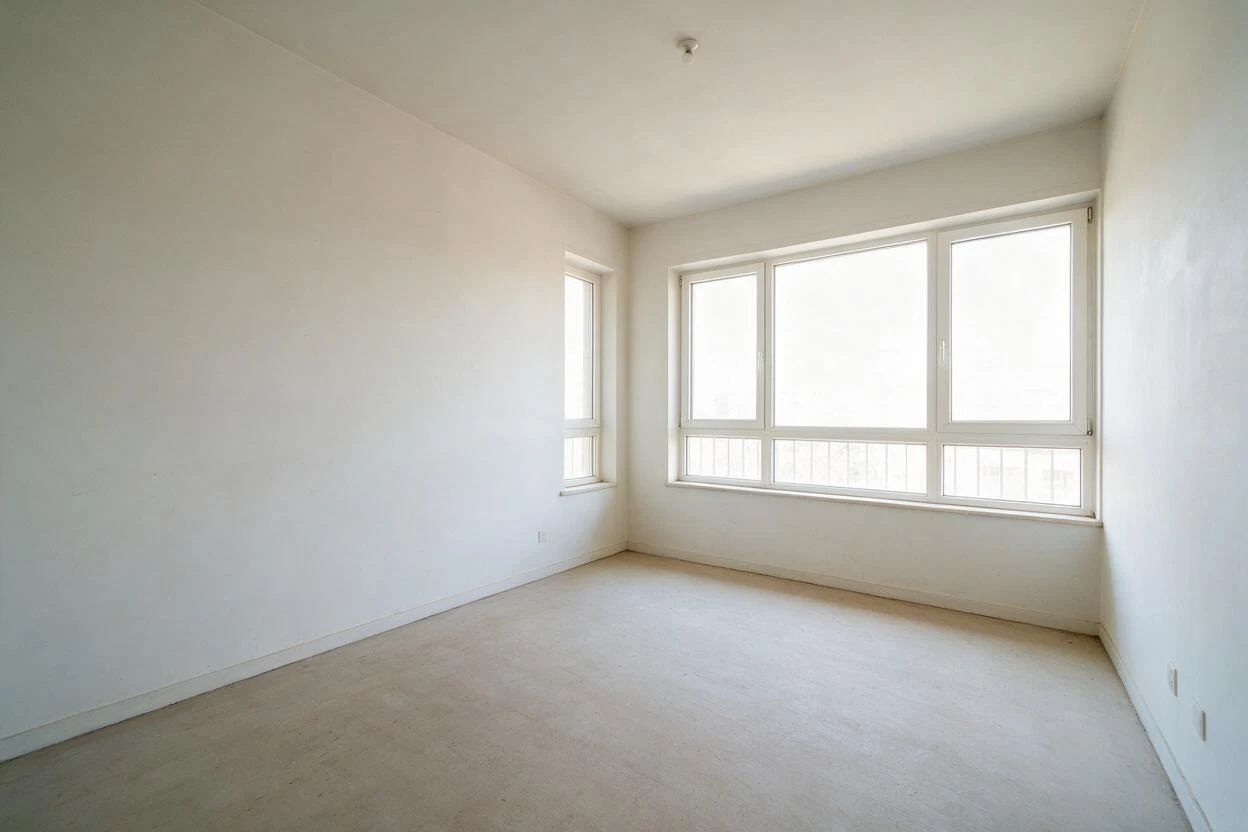
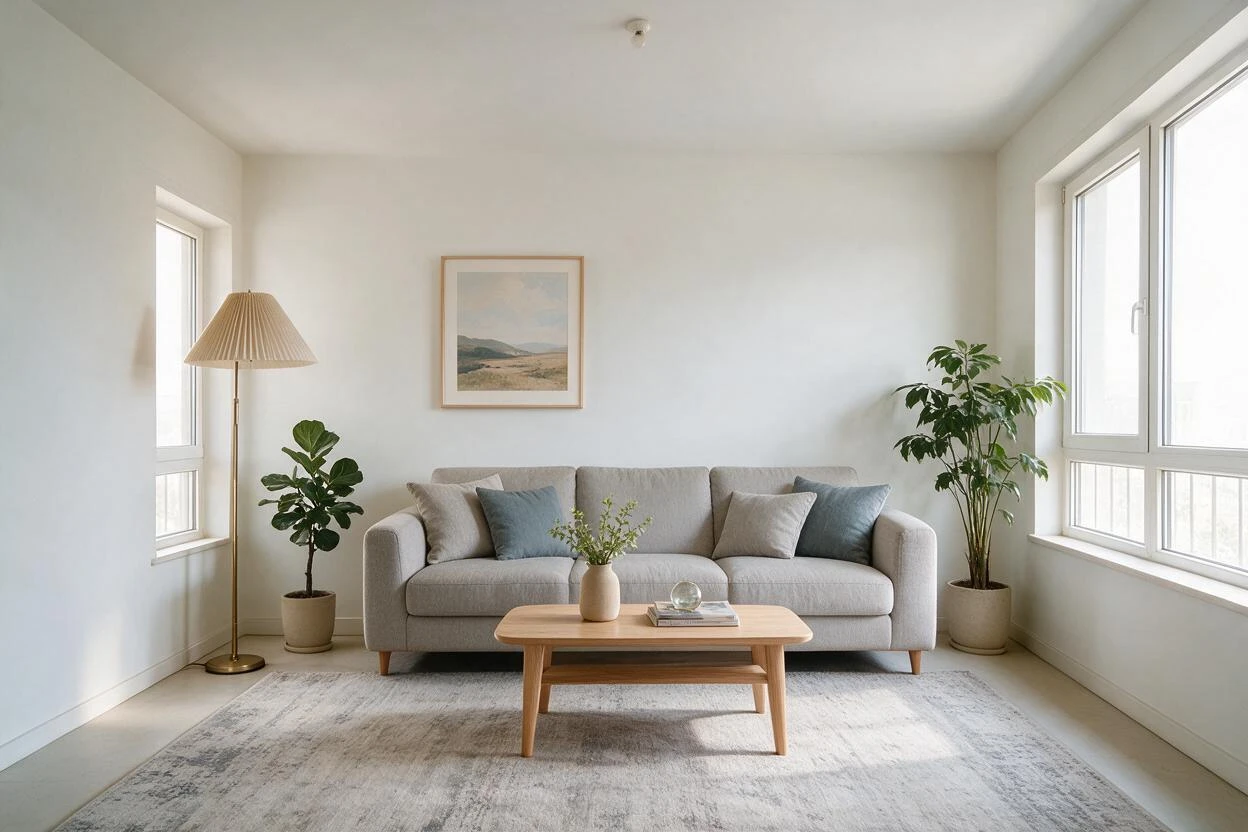
Clear horizontal planes: counters, tables, and floors hold almost nothing. Storage is closed and generous, because the system only works if daily clutter has a destination. Surfaces are flat and quiet — matte walls, handleless cabinetry, one material per element — and window treatments are sheer or absent.
The palette
Two or three colors maximum, usually whites, greys, and one muted accent or wood tone. Interest comes from texture and proportion rather than color: a linen sofa against a limewashed wall, a single black lamp against pale plaster.
What it costs to live with
More discipline than money. Minimalism fails the week mail lands on the counter and stays there, which is why it pairs with habits as much as furniture — and why families often drift toward the warmer cousin, Japandi, which keeps the editing and adds softness.
Where minimalism comes from
Minimalism is a convergence, not a single invention. Its oldest layer is Japanese: interiors shaped by Zen restraint, by wabi-sabi's acceptance of the imperfect, and by ma — the interval, the deliberate emptiness that Japanese aesthetics treats as full of possibility rather than absence. The modern layer is Western and mid-century: the Minimalist art movement that emerged after World War II stripped painting and sculpture to simple geometry and industrial materials, and design absorbed the same grammar — flat planes, honest materials, no ornament. The two halves agree more than they should by accident: Wikipedia's design history notes that minimalist design has been highly influenced by Japanese traditional design and architecture, which is why the 1960s New York loft and the Kyoto townhouse rhyme. Strip a room today and you're borrowing from both at once — the monastery and the gallery.
Minimalism's warmer cousin, Japandi
Pure minimalism has a known failure mode: rooms that photograph like showrooms and live like waiting rooms. That's the gap Japandi fills — it keeps the editing discipline but adds warmth through natural materials, low furniture, and handcraft, which is why the two styles are constantly crossed. If your minimalist attempts keep coming back cold, borrow from the hybrid: see what Japandi style is, or compare the minimalist style guide against the Japandi style guide and note exactly which warmth you're missing.
Why buyers and photographers love it
In photos, minimal rooms read larger and let viewers project themselves in. Decluttering toward minimal is the zero-cost upgrade that improves both daily life and listing day. The mechanics are simple: continuous floor and calm walls read as square footage, and every horizontal plane you clear returns light the lens would otherwise lose. Minimal hero shots also survive thumbnail cropping better than busy ones — at listing-grid size, nothing in the frame competes with the windows. This is why the style is a staging shortcut: in NAR's 2025 Profile of Home Staging, buyers' agents ranked the living room the most important room to stage (37 percent) and 83 percent said staging helps buyers picture the property as a future home — and depersonalized rooms do that job better than any other kind.
See your room edited down: clear the clutter from your photo in one pass — upload it and compare the minimalist version against your current layout, free.
FAQ
Is minimalist design still in style?
Yes, and it never really left, because it's a discipline rather than a trend — there is no season in which a calm, uncluttered room reads as dated. What changes is the flavor: recent years warmed it up with limewash walls, pale wood, and soft textiles, which is essentially the shift toward Japandi. The minimalist homes that look current are the ones that kept the editing and dropped the sterility.
Do minimalist homes sell for more?
No style guarantees a number, but minimalism removes the things that cost a sale: clutter, personal taste, and visual noise — the three details buyers' eyes trip over. With 83 percent of buyers' agents in NAR's 2025 survey saying staging makes it easier for buyers to picture the property as their future home, a minimal room is doing paid staging's core work for free. Treat it as friction removal, not a premium feature.
How do I make a room look minimalist without buying anything?
Remove before you add. Clear every horizontal surface, take half the wall decor down, and store anything not used weekly — closed storage, not baskets on display. Then fix the light: sheer or no window treatments, a mirror opposite the window. Most rooms are one afternoon away from reading minimalist, at a total spend of zero.
Compare
Related questions
Related tool
